
Best Things To Do In Banff In Winter: The Ultimate Mountain Guide
Forty-odd things worth doing between the first snow and the melt, grouped by what you're actually in the mood for: the iconic ones, skiing, wild ice, family stuff, scenic drives, and the indoor options for when it's -30. With honest notes on what each one is like.


When winter lands in Banff, it doesn’t tiptoe in quietly. It barrels through the Bow Valley overnight, covers your car in a fresh layer of powder, freezes the inside of your nose, and then has the nerve to look beautiful about it.
The mountains sharpen, the rivers steam, and the wildlife stares at you like they’ve known all along that fleece wasn’t going to cut it. Winter here isn’t just a season. It’s a character all its own.
Visitors often ask whether Banff is worth visiting in the colder months. The answer is an enthusiastic yes. Winter is when Banff feels truest to itself. The crowds thin out (at least compared to July), the scenery gets dramatic, and there’s a sense of magic in the air that only appears when the temperatures dip below freezing.
If you’re someone who likes fresh air, snow, mountain views, and activities that occasionally make you question your choice in hobbies, then winter in Banff is the right season for you.
This guide pulls together the best things to do in Banff in winter. It’s comprehensive, and it’s written for people who want more than a list of “Top 10 Things to do in Banff in Winter.” Banff deserves better than that.
Let’s jump in. Bring a warm drink and dress in layers.
The Must-Dos (Iconic Banff Experiences)
These are the activities people talk about on the plane home. They’re the ones you see in magazines and on postcards, and the ones locals quietly enjoy whenever they have visiting relatives in tow. Even if you’re usually the type to avoid “popular attractions,” these ones earn their place.
Ride the Banff Gondola
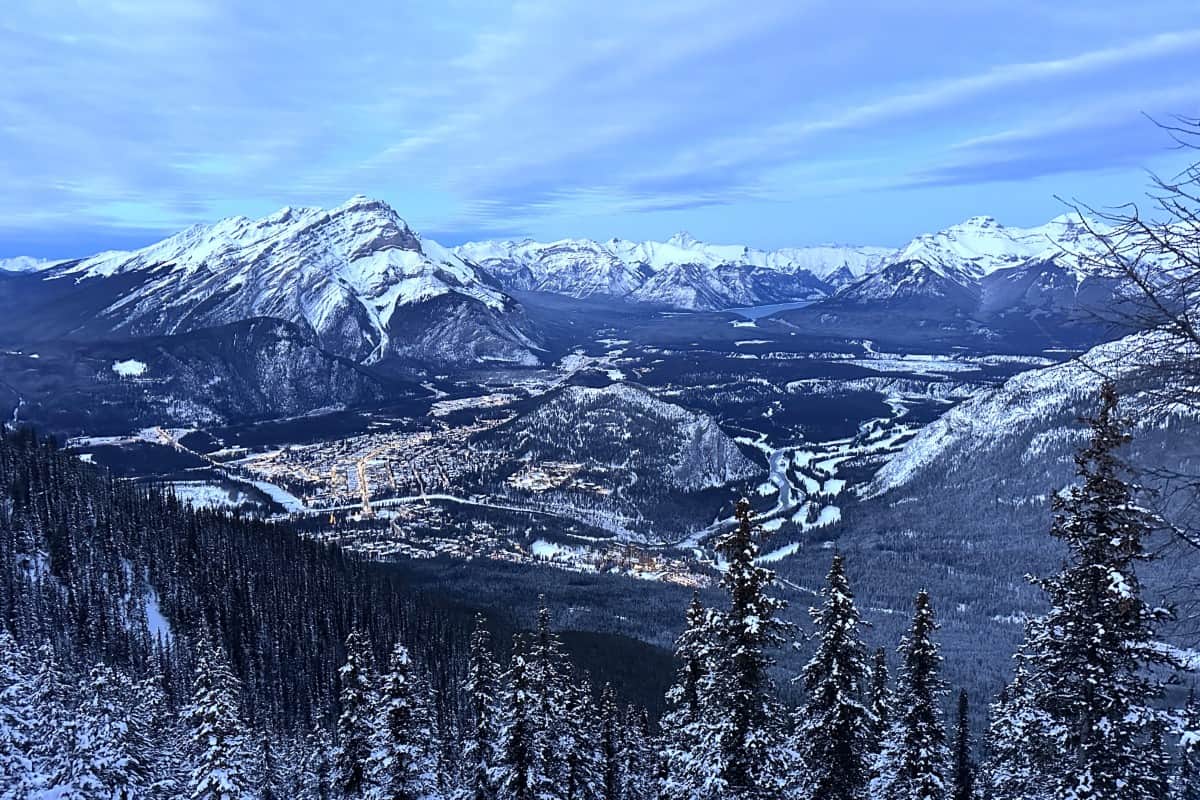
There are days in winter when the Banff Gondola feels like your personal elevator to the sky. The cabins heat up with your breath, the windows gather delicate frost patterns, and the forest below slowly shrinks away as you rise. The ride is smooth, scenic, and especially dramatic after a snowfall.
Once you reach the summit of Sulphur Mountain, the air changes. It feels sharper and more open, and the views stretch all the way down the Bow Valley. On a clear day, you’ll see Mount Rundle showing off its layered ridges and the townsite looking like something out of a snow globe.
The summit boardwalk is the star attraction. A wooden walkway snakes along the ridge toward Sanson’s Peak, where Norman Sanson once recorded weather data. These days, you’ll find visitors taking photos, clinging to their hats, or marvelling at the winter light.
Inside the upper terminal, the interpretive centre offers warmth and hands-on displays. The theatre runs short films, the café gives you an excuse to buy a hot chocolate, and the windows act like picture frames for the mountains outside.
If you come with someone who doesn’t love cold temperatures or unexpected gusts of alpine wind, they’ll appreciate the indoor options.
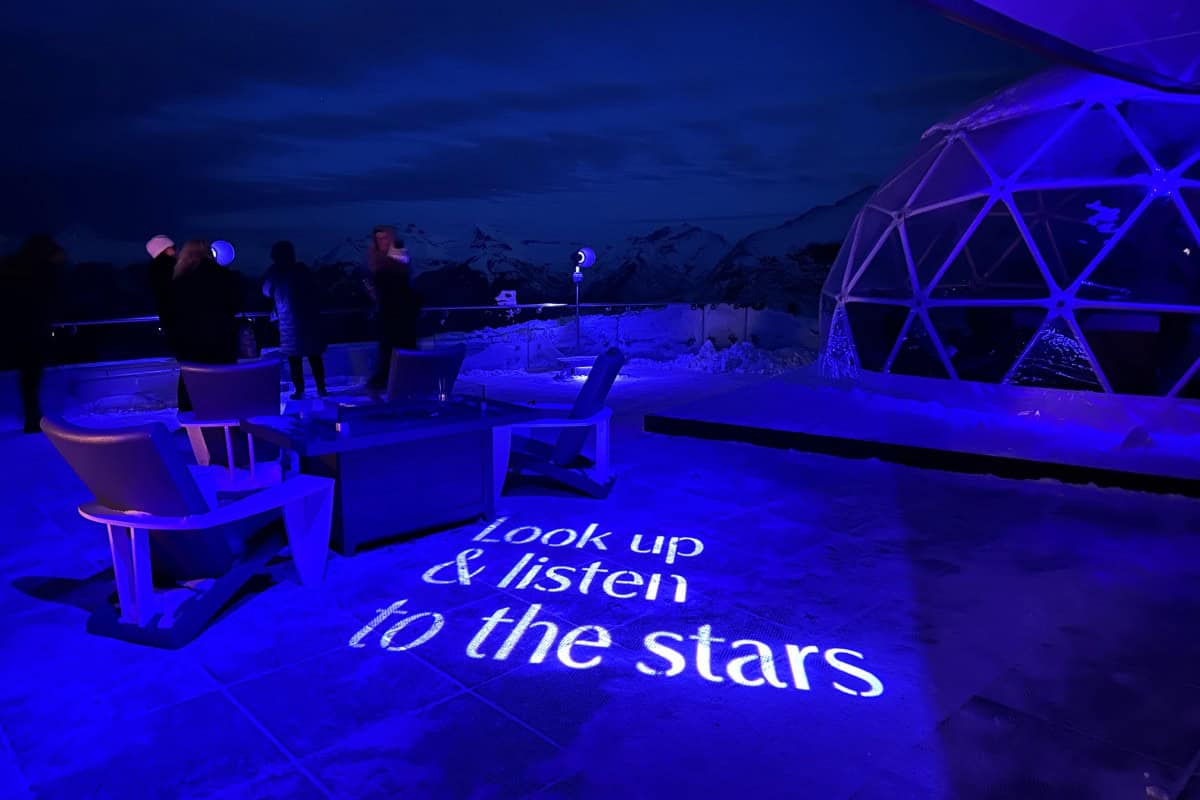
Evenings bring Nightrise, an immersive experience created with the Stoney Nakoda Nation. It transforms the summit into a world of glowing light, music, and atmospheric soundscapes. It feels dreamlike and is surprisingly soothing compared to the bustle of town.
Insider tip: If you’re craving the perfect mix of visibility and atmosphere, visit an hour before sunset. You get the daytime views, the golden light, and then the beginning of Nightrise. Just keep your jacket zipped.
Soak in the Banff Upper Hot Springs
The colder it gets, the better the Banff Upper Hot Springs feel. The springs have been important to the region for centuries, long before bathhouses or visitor centres were built. Slipping into steaming water while the cold air hits your face is a kind of bliss you can’t find in many places.
The outdoor pool sits at the base of Sulphur Mountain, and on clear evenings, the stars appear brighter from up here.
The steam lifts into the night sky, the silhouettes of surrounding peaks rise above the trees, and conversations drift softly around the pool. If you happen to visit when heavy snowflakes are falling, the whole scene becomes almost cinematic.
It’s simple, it’s affordable, and it’s one of the most authentically Banff things you can do.
A few tips from experience:
Go on a winter hike.
Bring sandals for the freezing pool deck.
Don’t expect your hair to behave afterwards.
Visit Lake Louise
Lake Louise in winter feels like stepping into a different world. The turquoise water you see in summer turns into a smooth, frozen expanse framed by the Victoria Glacier. The scale of the mountains around it makes even the largest crowds seem small.
The lake becomes a skating rink, maintained daily so the ice stays smooth. When conditions line up, the ice gets clear enough to reveal deep cracks and swirling patterns below the surface. The famous Ice Castle appears each year near the front of the lake, built from blocks of local ice carved into towers and arches. Kids zip around it with endless energy.
Walking the lakeshore is peaceful, especially early in the morning before the day’s adventure tours arrive. The sound of footsteps crunching in the snow, the cold air tightening around your jacket, and the towering amphitheatre of peaks make it one of the most impressive natural settings in Canada.
Walk the Johnston Canyon Ice Walk
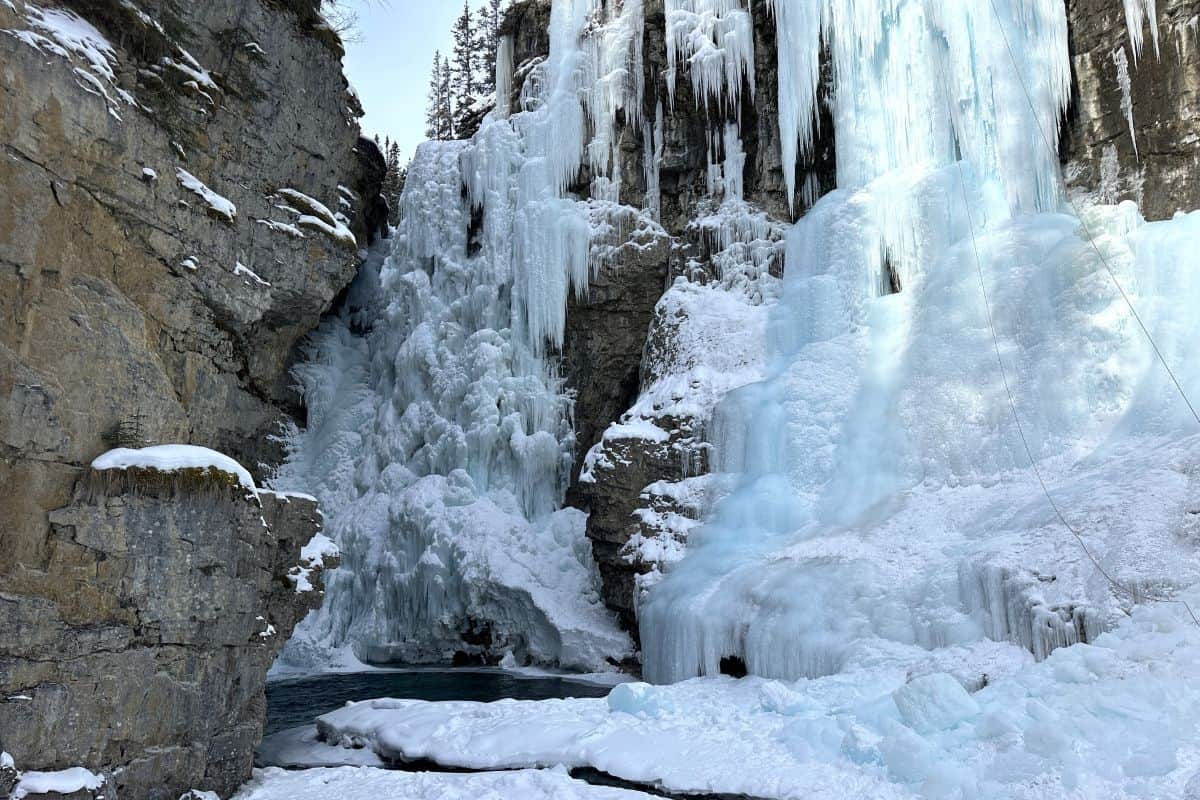
Johnston Canyon is a crowd-pleaser in any season, but winter transforms it into a spectacular frozen gorge. The catwalks allow you to walk safely along the canyon walls, with the icy creek flowing below and frozen waterfalls forming luminous blue curtains ahead.
The Lower Falls offer a close-up look at ice formations, and the small cave-like viewpoint gives you a dramatic angle on the rushing water behind the ice.
Continue on, and you’ll reach the Upper Falls, which freeze into massive vertical pillars. If you’re lucky, you’ll spot ice climbers inching their way up these formations, swinging ice tools with precision and bravery most of us don’t possess.
Ice cleats are strongly recommended here. The trail is firm and polished from thousands of boots. It’s still one of the most accessible winter hikes in the park, which is why it’s always busy, but early mornings offer quiet moments and golden light on the canyon walls.
If you want something similar but quieter, keep reading. There’s another canyon coming.
Explore Banff Avenue
Banff Avenue in winter is exactly the kind of place you imagine when you think of a snowy mountain town. Lights glow from shop windows, snowbanks gather along the sidewalks, and the peaks rise at either end of the street like watchful giants.
You can spend an entire afternoon wandering between cafés, bakeries, outdoor stores, galleries, and restaurants. Stop for a warm drink, browse a few shops, grab a snack, repeat. Even if you don’t plan to buy anything, Banff Avenue is simply a pleasant place to be in winter. It’s energetic, warm, and colourful against the winter landscape.
The best views come from the intersection at the south end of the street, where Cascade Mountain towers above like it’s posing for a tourism brochure. It’s a classic photo spot, especially after a snowfall.
Banff Avenue is also the easiest place to warm up in the middle of your adventures. If your fingers reach the “I can’t feel them” stage, this is the place to fix that.
Winter Sports (Skiing and Snowboarding)
Banff’s winter sports scene is one of the reasons locals stay here long after they intended to. The ski resorts, the terrain, and the endless opportunities for snow-based adventure make winter something to celebrate rather than survive.
Ski or Snowboard the Big 3
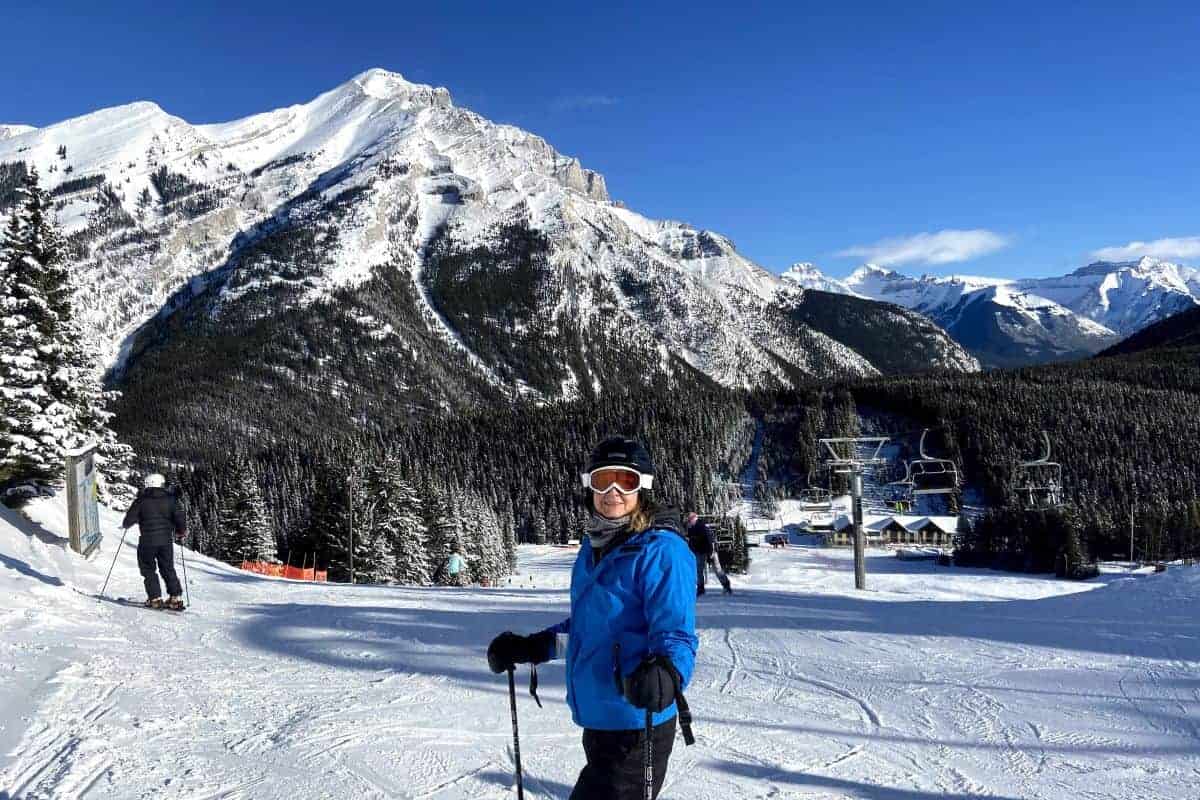
The Big 3 - Banff Sunshine Village, Lake Louise Ski Resort, and Mt. Norquay - are three distinct mountains offering three different experiences. Together, they’re one of the best ski destinations in the world.
Banff Sunshine Village sits high on the Continental Divide, which means reliable snow, long seasons, and sweeping bowl terrain. It’s known for its frequent bluebird days, soft powder, and dramatic alpine views. The layout is spread across multiple mountains, giving skiers and snowboarders wide-open spaces to explore.
Lake Louise Ski Resort is enormous. With over 4,200 acres of terrain, it offers long cruisers, steep chutes, open bowls, and gentle beginner zones. The views from almost every run are stunning. The back bowls provide some of the best advanced terrain in the Rockies, and the front side offers scenic runs for all abilities.
Mt. Norquay is the smallest but the most convenient, located just minutes from town. It’s a favourite for locals who want to squeeze in a few hours of skiing before or after work. The terrain is steep in places, and the views toward Cascade Mountain are incredible. Norquay has a charm that’s hard to resist.
Go Night Skiing at Norquay
Night skiing at Norquay is a uniquely Banff experience. The lights illuminate the slopes, the air feels quieter, and the whole valley twinkles below. It’s peaceful and energetic at the same time.
Locals love it because it fits into the workweek. Visitors love it because skiing under the stars feels like something from a winter film. The snow glows under the lights, and the cold actually feels refreshing with the movement.
Try Cross-Country Skiing
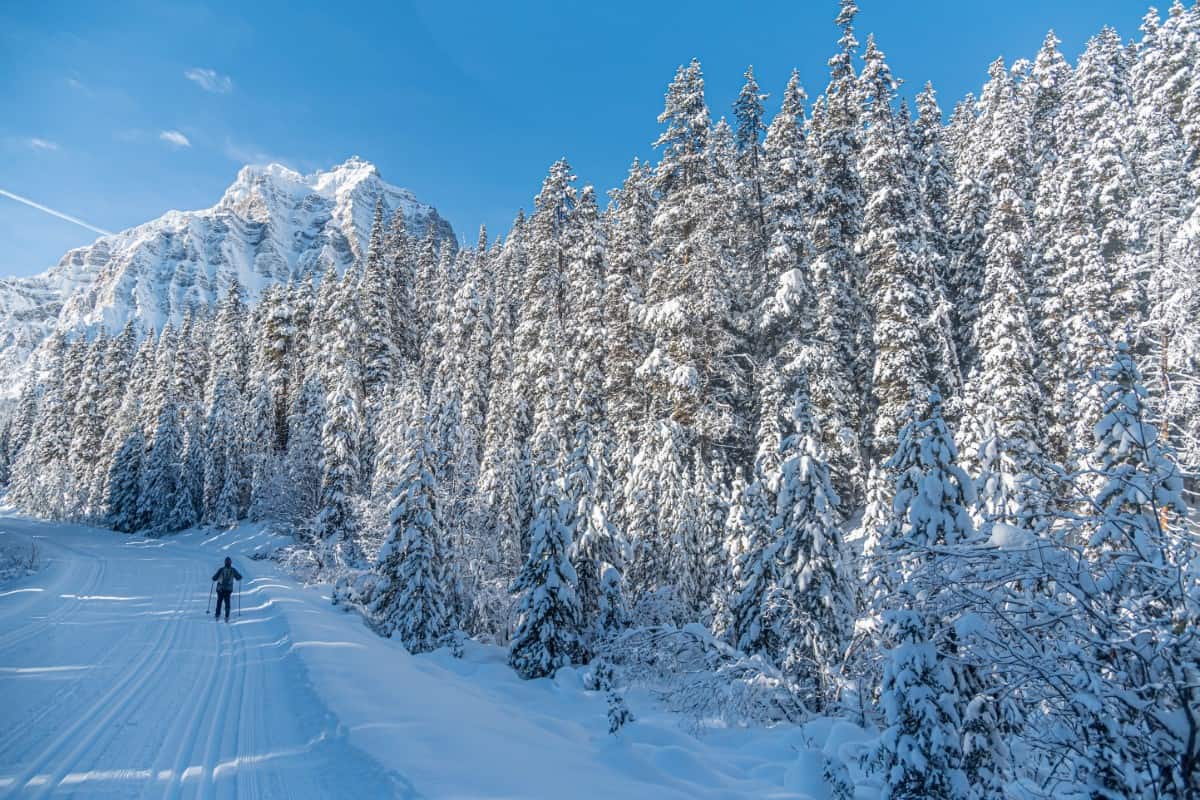
Cross-country skiing is winter’s gentlest adventure. It’s peaceful, rhythmic, and one of the best ways to feel truly surrounded by winter without needing advanced skills. Banff and Lake Louise offer groomed trails suitable for beginners and seasoned Nordic skiers alike.
Moraine Lake Road becomes a cross-country trail once the seasonal road closure kicks in. You’ll glide past deep forest, gentle hills, and glimpses of dramatic peaks. The Great Divide Trail is another favourite, stretching between Alberta and British Columbia in a long, scenic corridor.
Closer to Banff, the Bow River loop and Cascade Valley offer accessible routes with beautiful scenery. If you want more challenge, head to the Canmore Nordic Centre. This is where national-level athletes train, so the trails can be demanding, but the atmosphere is inspiring.
Cross-country days are best when you want fresh air, quiet trails, and a slower pace.
Backcountry Skiing
Backcountry skiing is the Rockies at their most raw and rewarding. Untracked powder, open slopes, and complete silence make it an unforgettable experience. But safety comes first. Avalanche training, proper gear, and knowledge are essential, and it’s strongly recommended to go with a guide.
Areas like Bow Summit, Healy Pass, and the Skoki region offer beautiful touring terrain. Some visitors make a multi-day trip of it by staying at backcountry lodges. Skoki Lodge, for example, provides rustic charm, hearty meals, and a break from the digital world. Getting there involves a ski-in adventure through snowy forest and open meadows.
Backcountry skiing is harder and more technical than resort skiing, but if you’re experienced and prepared, it’s some of the best snow you’ll ever find.
Try Heli-Skiing
Heli-skiing is the winter equivalent of flying into a dream. The helicopter lifts you over mountain ranges and drops you into pristine powder fields far from the nearest chairlift. Most heli-skiing operations run outside the boundaries of Banff National Park, but they’re easily accessible from the Bow Valley.
It’s an experience for confident skiers or snowboarders who want a taste of untouched terrain and unlimited vertical. The views alone are worth the flight.
On the Ice (Skating and Walking)
Winter in Banff is full of ice, and I mean that in a good way. Frozen lakes become playgrounds, canyon floors turn into icy paths, and even the rivers form intricate patterns beneath their frozen surfaces.
Skate on Lake Louise
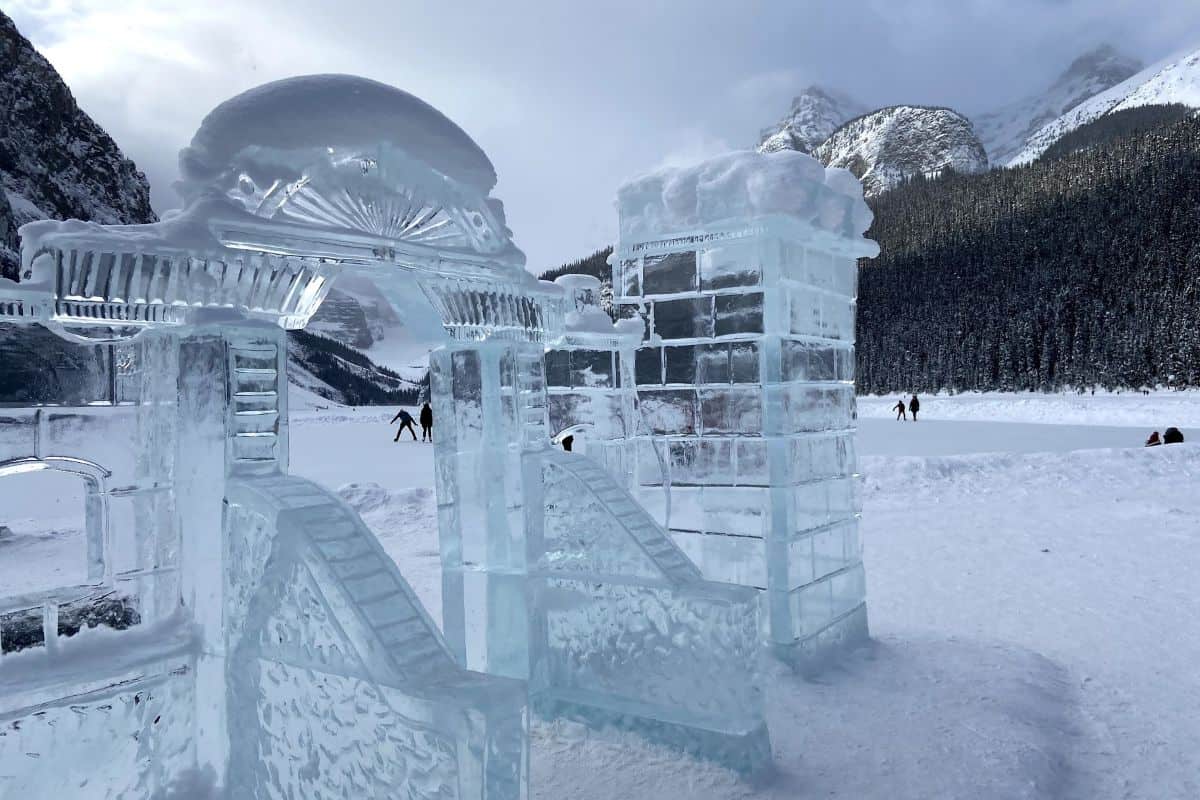
Skating on Lake Louise is one of those bucket-list activities you don’t skip. The rink sits beneath an enormous wall of mountains and the Victoria Glacier. On bright days, the ice sparkles. On calm mornings, it’s so smooth that you feel like you’re gliding on a perfectly polished mirror.
Maintained daily, the rink is safe and smooth. Venture further onto the wild ice (when conditions allow), and you might find natural patterns, deep fissures, or swirling white lines trapped beneath the surface. The Ice Castle nearby adds charm, giving the rink a fairytale touch.
Layer up, especially if the wind is coming from the back of the lake. It has a talent for going straight through your jacket.
Hunt for Wild Ice
Wild ice is a natural winter marvel. It forms when lakes freeze slowly, without snow, creating clear ice so transparent that you can see rocks, bubbles, and cracks beneath your skates.
Two Jack Lake, Johnson and Lake Minnewanka sometimes offer conditions perfect for wild skating. Vermilion Lakes occasionally surprises visitors with glassy sections, too.
Wild ice is unpredictable and comes with real risks. Conditions can change quickly, and ice that looks solid may not be safe.
Always check thickness, avoid areas with moving water, stay well back from cracks or pressure ridges, and never go alone. But when conditions truly are safe, it can be a memorable experience - gliding over clear ice with mountain views all around you.
Skate On The Longest Skating Trail In The World
If you are up for a short winter road trip, the Lake Windermere Whiteway is a standout option. This remarkable skating route runs along the frozen surface of Lake Windermere near Invermere. It is recognised as the longest skating trail in the world (almost 30km) and offers wide-open views and a very different skating experience from Banff’s smaller lakes.
The Whiteway is around two hours from Banff by car, making it an easy day trip if conditions are good. While it sits outside the park, it’s a great way to add something unique to a Banff winter itinerary, especially for anyone who loves long, scenic outdoor skating.
Explore Grotto Canyon
Grotto Canyon near Exshaw is a quieter alternative to Johnston Canyon. Instead of catwalks, you walk directly on the frozen creek bed. The narrow canyon walls rise above you, Indigenous pictographs line parts of the rock, and frozen waterfalls appear along the way.
Ice cleats are essential. This trail is slippery but rewarding. It’s great for families and anyone who wants a canyon experience without heavy crowds.
Local tip: Go early or on weekdays. Weekends get busier because the trail is close to Canmore.
Skate at the Fenlands
Fenlands Recreation Centre offers indoor and outdoor rinks. It’s one of the most accessible places to skate in Banff, especially for families. The indoor area guarantees good ice, while the outdoor rink gives you fresh air and a mountain backdrop.
It’s also a great backup plan for days when wild ice or Lake Louise conditions aren’t cooperating.
Family Fun and Non-Ski Adventures
Not everyone skis, and that’s perfectly fine. Banff is full of winter activities that don’t involve ski boots or chairlifts. These adventures bring joy, movement, and memories for all ages.
Try Snow Tubing
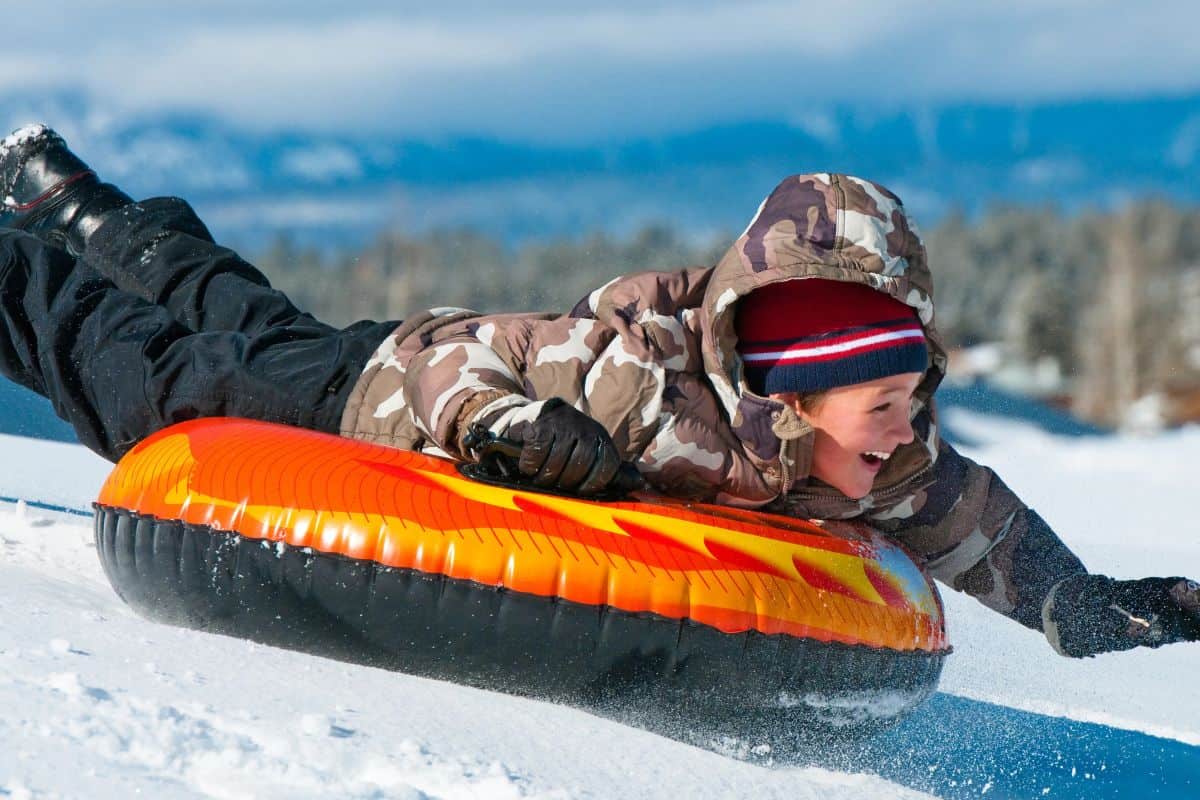
Snow tubing is one of Banff’s most underrated winter activities. You sit in a giant inflatable tube, someone gives you a push, and suddenly you’re flying down a snowy lane at a speed that makes you laugh and scream at the same time. Mt. Norquay’s tubing park is the most popular one, featuring multiple lanes and a magic carpet to whisk you back to the top.
Lake Louise also offers the Sunny Tube Park, which comes with incredible mountain views. It’s fast, fun, and ideal for anyone who wants thrills without needing skiing ability. Adults enjoy it as much as kids, even if they claim they’re “just doing it for the little ones.”
Go Dog Sledding
Dog sledding is a gentle, scenic adventure that gives you a new appreciation for the strength and enthusiasm of sled dogs. Tours operate near Canmore and Lake Louise, taking you through quiet forest trails and frozen pathways.
The best part is the dogs. They’re excited before the run, calm during the run, and affectionate afterwards. Guides are passionate about their teams and happy to explain how the dogs are trained, cared for, and matched into sled groups. It’s a memorable outing and one of the most family-friendly adventures in the Bow Valley.
Horse-Drawn Sleigh Rides
Horse-drawn sleigh rides are one of winter’s simplest pleasures. Bundled in blankets, you glide through snowy fields behind a pair of horses while the peaks tower above. At Lake Louise, sleighs travel along the lakeshore, offering quiet views of the frozen landscape.
Banff’s Warner Stables also offers sleigh rides with scenic loops near the townsite. It’s peaceful, nostalgic, and a great way to slow down for an hour or two.
Rent a Fat Bike
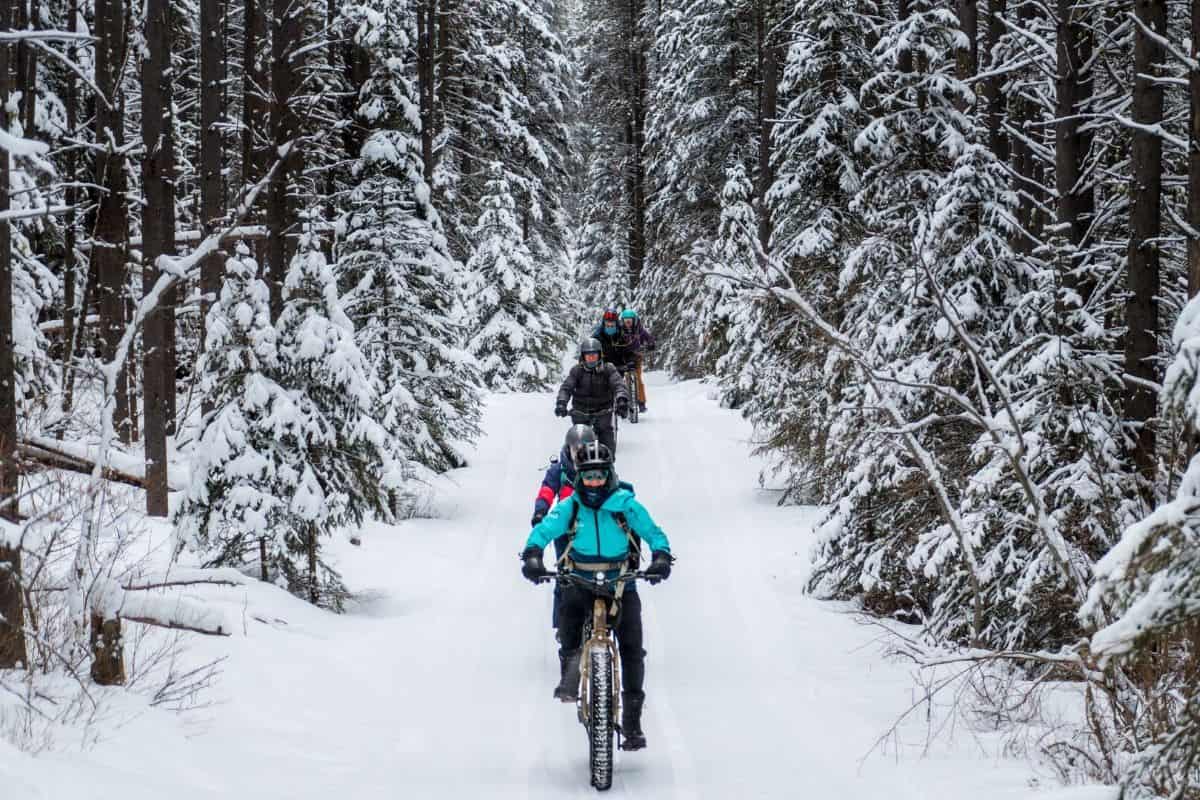
Fat biking has grown quickly in popularity. The massive tyres grip winter trails surprisingly well, and the activity is easier than it looks. Banff and Canmore offer rentals, and trails along the Bow River, Spray River, and around the Nordic Centre give you options for both casual and confident riders.
Riding through a snowy forest with mountains peeking between the trees is a uniquely enjoyable winter experience. And if you fall? It’s snow. It’s forgiving.
Try Tobogganing
The hill behind the Banff Springs Hotel is the valley’s unofficial tobogganing headquarters. Kids zoom down the slopes in bright sleds while adults pretend they’re supervising. The truth is that most grown-ups take a few runs too. It’s simple, free, and full of laughter.
Bring a sturdy sled and a sense of fun. Wear snow pants unless you enjoy being cold.
Visit the Yamnuska Wolfdog Sanctuary
Located near Cochrane, the Wolfdog Sanctuary is a fascinating place for anyone curious about wolf behaviour. You’ll learn about wolfdogs’ unique needs, meet several packs, and understand the difference between wolves, wolfdogs, and domestic breeds. The guided tours are educational and eye-opening.
It’s a great winter outing, especially if you’re coming from Calgary.
Sightseeing and Scenic Drives
Winter is when Banff’s landscapes feel the most dramatic. The light is softer, the shadows deeper, and the snow creates contrasts that photographers dream about. Even if you’re not a photographer, these drives and viewpoints offer moments worth pulling over for.
Drive the Icefields Parkway
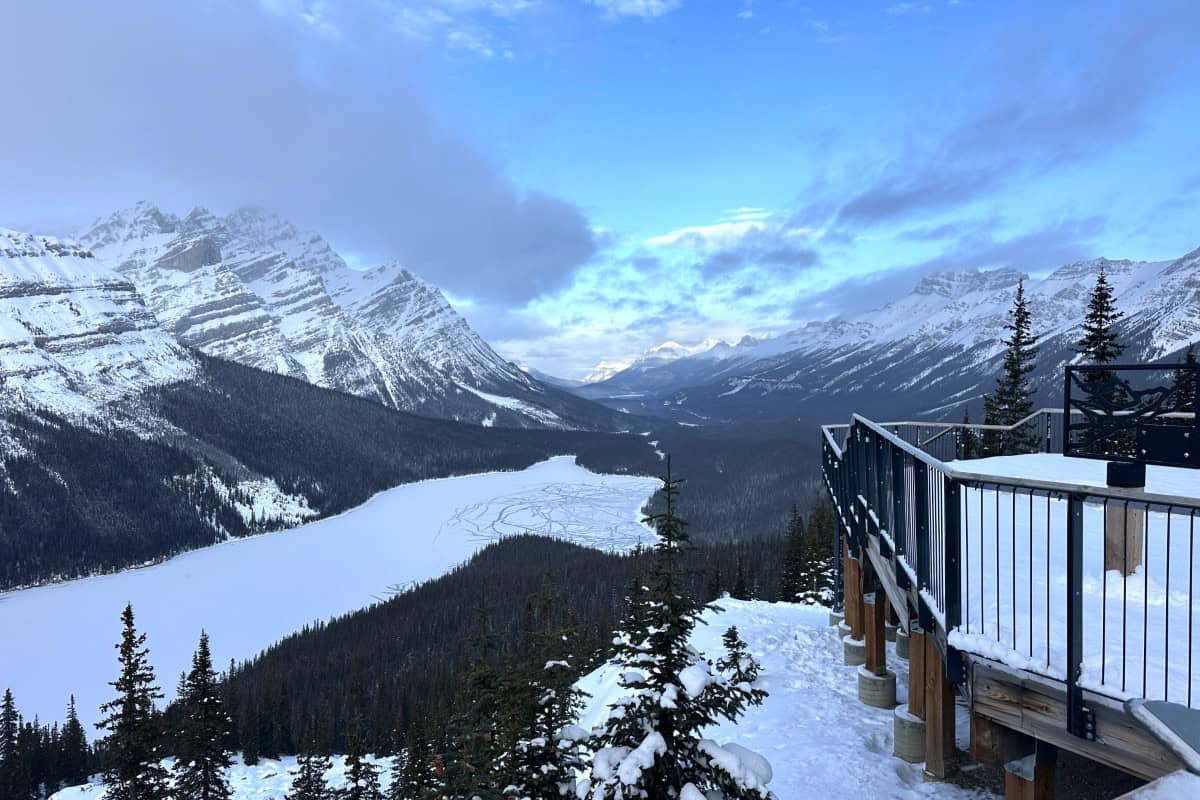
The Icefields Parkway between Lake Louise and Jasper is breathtaking year-round, but winter gives it a moody, majestic character. Snow softens the valleys, glaciers gleam under indirect light, and the road feels like a journey into a frozen wilderness.
Stop at Bow Lake, where the shoreline freezes into smooth white curves, and the peaks reflect in pockets of open water. Peyto Lake is another highlight. Even covered in snow, the wolf-head shape of the lake is still visible from the viewpoint.
The road is well-maintained, but winter driving demands respect. Bring emergency supplies, check the forecast, and never assume you’ll have cell service (you probably don't). A calm winter day here is unforgettable, but a storm can transform the experience faster than you’d expect. Play it safe and take a tour.
Search for Ice Bubbles at Abraham Lake
Abraham Lake isn’t technically in Banff National Park, but many winter visitors make the trip north to see its famous methane ice bubbles. These white bubbles get trapped in layers beneath the ice, creating patterns like stacked pearls.
The lake can be icy, windy, and very cold, but the sight is unique. Photographers love it. Bundle up, bring your tripod, and prepare to be humbled by the wind.
Chase Sunrise and Sunset Views
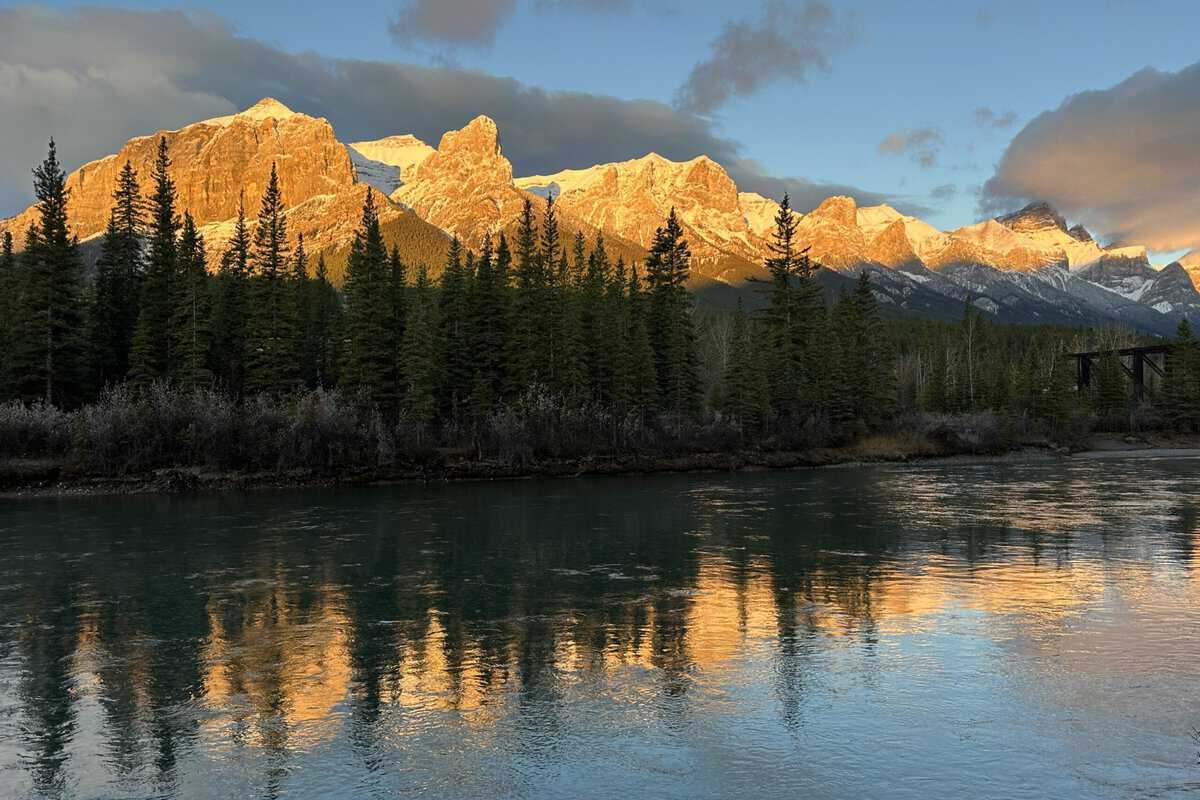
Two Jack Lake and Vermilion Lakes are two of the best sunrise spots in the Rockies. In winter, the lakes often develop thin layers of mist at dawn, and Mount Rundle glows with morning light. If you’re someone who likes quiet moments, sunrise here feels almost sacred.
Sunset at Vermilion Lakes is equally rewarding. Open water near the shoreline creates reflections that change by the minute, and the sky often lights up in warm colours.
These are easy-to-access locations, perfect for visitors who want big views without big hikes.
Visit Surprise Corner
Surprise Corner is the viewpoint that gives you the iconic image of the Fairmont Banff Springs Hotel perched above the Bow River. In winter, the hotel looks even more like a fairy-tale castle, surrounded by snow-covered forest.
It’s a quick stop and worth the detour.
Stop at Morant’s Curve
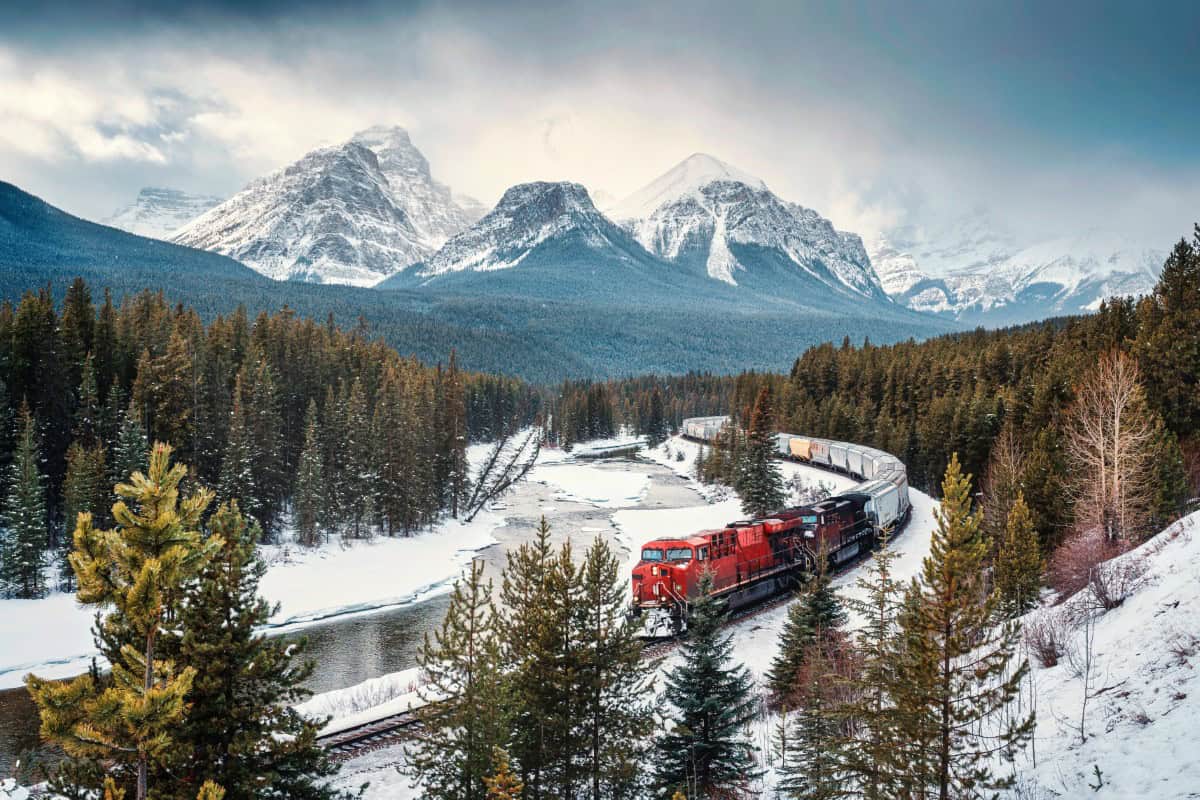
Morant’s Curve on the Bow Valley Parkway is one of the most photographed railway locations in Canada. The curve of the tracks aligns beautifully with the river and surrounding peaks. Photographers wait patiently for trains, which add movement and contrast to winter shots.
If you’re lucky, you’ll catch a long freight train rolling through just as the light hits the peaks.
Take a Helicopter Tour
Winter helicopter tours offer incredible views of snowy mountain ranges, frozen rivers, and untouched valleys. Flights usually leave from Canmore or the Cline River area.
Even short tours deliver huge scenery. It’s chilly inside the helicopter, so wear warm layers and enjoy the view from above.
Adrenaline and Unique Tours
If you like winter with a bit more bite, Banff has you covered. These adventures push your comfort zone just enough to make the hot chocolate afterwards taste even better.
Try Ice Climbing
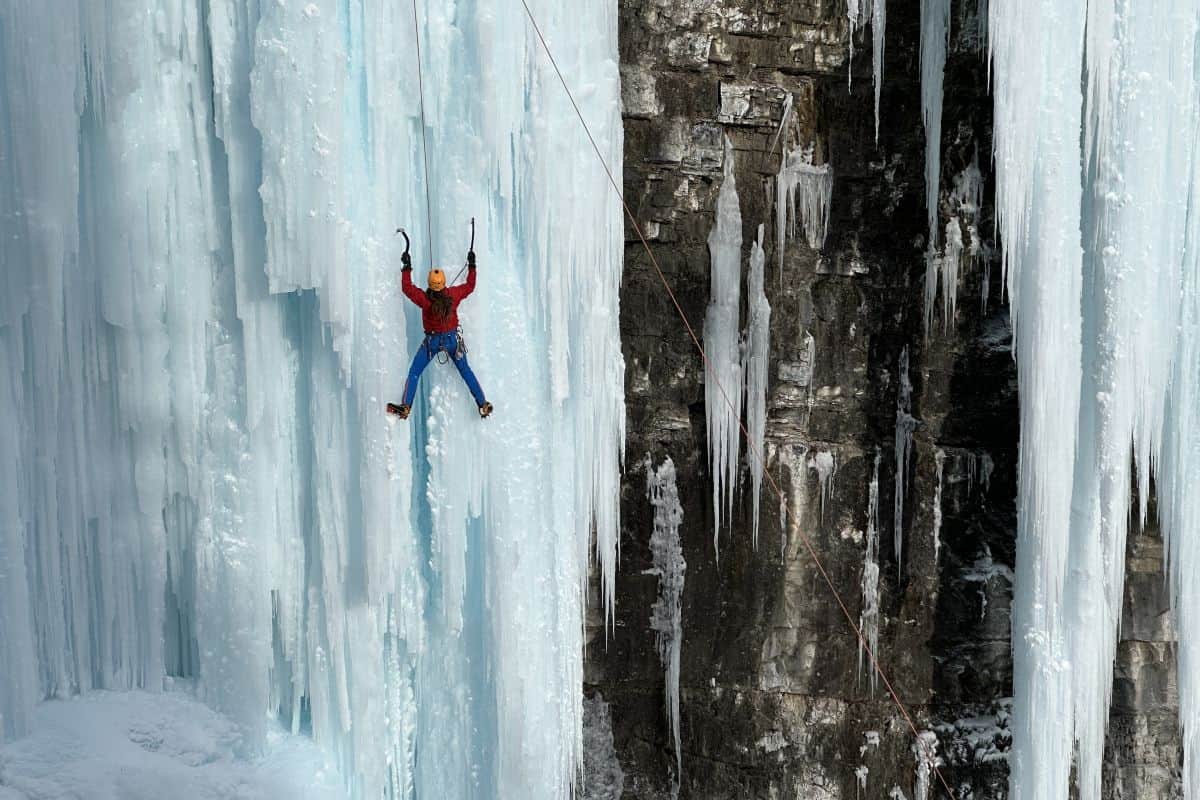
Ice climbing is a uniquely Rockies experience. Frozen waterfalls become vertical playgrounds for climbers. Beginner courses are available near Canmore, in Johnston Canyon, and at various frozen features around the Bow Valley.
Guides provide gear, instructions, and a healthy amount of encouragement. It’s demanding but surprisingly accessible for first-timers. Even if your arms complain afterwards, the sense of accomplishment is worth it.
Go Snowmobiling
Snowmobiling isn’t allowed inside Banff National Park, but nearby towns like Golden, Panorama, and Revelstoke offer excellent guided snowmobile tours. You’ll race along forest trails, climb open ridges, and enjoy dramatic mountain views.
Tours cater to beginners and experienced riders. It’s fast, fun, and very different from the quiet winter activities closer to town.
Go Caving at Rat’s Nest Cave
Rat’s Nest Cave near Canmore is a perfect winter activity because the cave stays at a constant temperature year-round. Tours take you through chambers, narrow passages, and geological formations millions of years old.
You’ll crawl, climb, wriggle, and occasionally question your life choices, but it’s a memorable adventure that doesn’t require braving icy winds.
Join a Winter Wildlife Safari
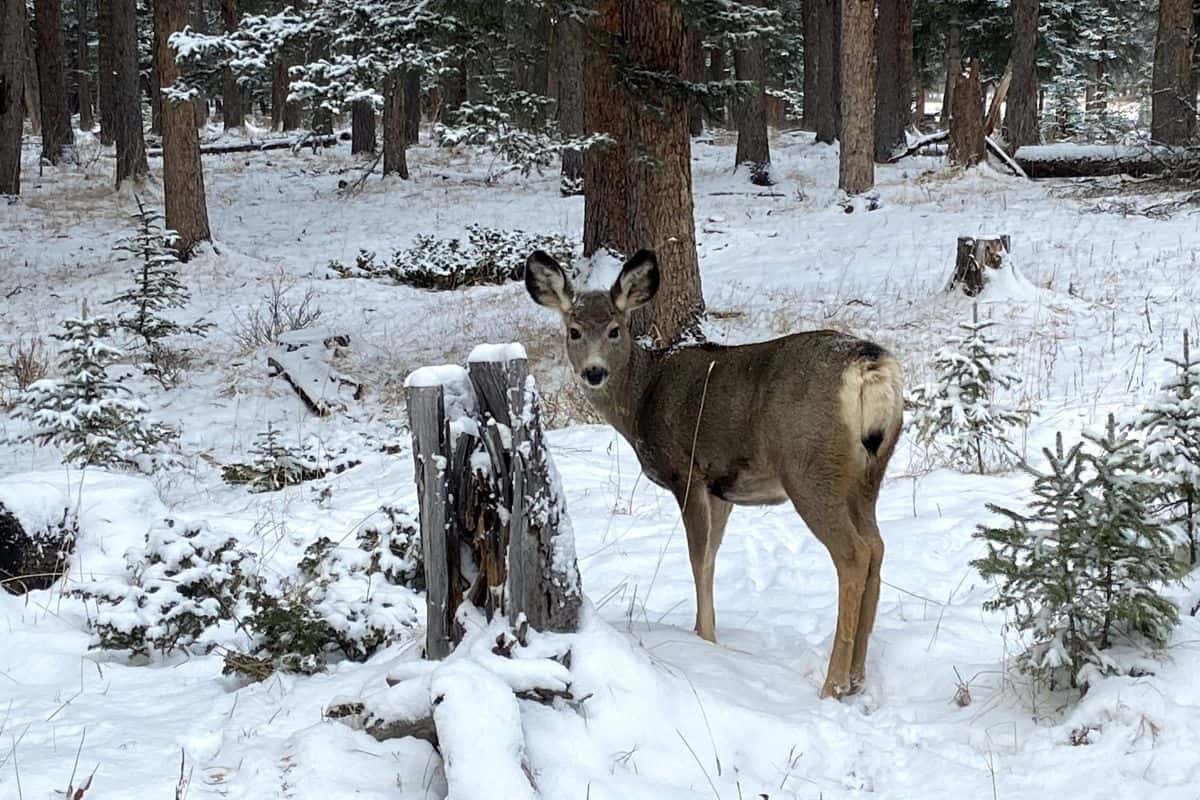
Wildlife tours in Banff operate year-round, but winter tends to offer more sightings. Snow pushes animals to lower elevations, making elk, deer, bighorn sheep, and coyotes more visible. Guides know the valley well and share fascinating information about winter survival strategies.
It’s safe, educational, and a great break from more physical activities.
Relaxation, Culture, and Indoors
Some days, your eyelashes freeze together, your fingers stage a protest, and the idea of one more outdoor activity feels like a personal attack. Winter in Banff can be breathtaking, but it can also be cold enough to make even the hardiest hiker seek refuge indoors. Fortunately, Banff has plenty of warm, comfortable spaces filled with history, culture, and opportunities to relax without feeling like you’re missing out.
Visit the Cave and Basin National Historic Site
The Cave and Basin is where the entire Canadian national park system began, which is a pretty significant claim for a cave with warm water and a faint smell of minerals. Inside, you’ll find an atmospheric chamber lit by soft light that bounces off the water.
The steam creates a mystical haze, and the sound of dripping water echoes off the rock. It feels ancient, calm, and surprisingly soothing on a cold day.
Exhibits explain how railway workers stumbled upon the springs in the late 1800s and how their discovery eventually led to the creation of Banff National Park. You’ll learn about early tourism, conservation milestones, and the ongoing protection efforts for the Banff Springs Snail, a tiny species found nowhere else on Earth.
The interpretive displays balance history with environmental storytelling, and the short outdoor boardwalk offers a peaceful walk through marshland fed by the hot springs.
It’s an ideal stop when the weather turns harsh. You’ll get warmth, culture, and a deeper appreciation for the land you’re exploring.
Explore the Whyte Museum
The Whyte Museum is the kind of place where you slow down without even trying. It celebrates mountain culture through art, photography, Indigenous stories, and archival collections rich with the history of the Bow Valley.
The galleries rotate exhibits regularly, so you might encounter everything from contemporary artwork inspired by the Rockies to historical paintings capturing early mountaineering expeditions.
One highlight is the collection of archival photographs that show Banff during its earliest years. You’ll see families in wool coats, early hotels sitting in snowy meadows, and mountaineers posing proudly beside climbing ropes that look suspiciously thin for their intended purpose.
The Whyte Museum is also deeply connected to local artists. Many exhibits feature the work of people who call the Rockies home, adding personal touches to the experience. On snowy afternoons, the museum becomes a warm, quiet refuge where you can wander slowly and let the art sink in.
Step Inside the Banff Park Museum
The Banff Park Museum is a delightful time capsule. Built in 1903, it’s the oldest natural history museum in western Canada still standing, and it looks exactly like a Victorian museum should.
You’ll see floor-to-ceiling wooden display cases filled with taxidermy specimens, geological samples, and interpretive notes written in an old-fashioned script.
There’s something charming about the way the specimens are arranged. It’s not flashy or modern, but that’s what makes it unique.
Kids love the variety of animals on display, and adults often get lost in the sense of stepping back into an era when museums were built to inspire curiosity rather than to entertain.
On cold days, it’s a warm, nostalgic stop that adds depth to your understanding of the park’s natural history.
Enjoy Banff’s Indoor Entertainment

Banff isn’t only about mountains and scenery; it also knows how to keep you entertained when the temperature dips into the double negatives. High Rollers, located in downtown Banff, is part bowling alley, part pizzeria, and part craft beer hall.
It’s lively, bright, and perfect for groups or families wanting lighthearted fun. You can knock down pins while enjoying warm slices of pizza and sampling local beers - an excellent combination after a chilly day outside.
The Lux Cinema offers a cosy escape with comfortable seating and a rotating list of current films. It’s a great way to spend an evening when your face needs a break from the wind.
Many hotels, especially the older ones, also have lounges with fireplaces, plush seating, and warm drinks. Sitting by a fire with a hot chocolate or something stronger is as quintessentially winter-in-Banff as anything outdoors.
If you need downtime, Banff’s indoor entertainment can easily fill an afternoon or evening without feeling like a consolation prize.
Day Trip to the Kananaskis Nordic Spa
The Kananaskis Nordic Spa has achieved near-legendary status among locals and travellers, and for good reason. The hydrotherapy cycle - moving from hot pools to cold plunges to relaxation areas - feels incredible on winter-tired muscles.
Snow falls gently around the steamy pools, and the towering peaks surrounding the spa create a serene backdrop.
The facility is large, with multiple hot pools of varying temperatures, saunas, steam rooms, and quiet relaxation zones where you can curl up with a warm robe. The cold plunges are invigorating in a way that makes you question your life choices initially, but you feel fantastic afterwards.
It’s not rushed, loud, or crowded. Guests move slowly, speak softly, and treat the space like the sanctuary it is. If you’ve spent the week skiing, hiking, or exploring, a day at the Nordic Spa resets your energy. It’s the perfect counterbalance to Banff’s active lifestyle and arguably one of the best winter relaxation experiences near the park.
Food, Drink, and Aprés-Ski
Winter in Banff awakens a particular kind of hunger - the kind only mountains, snow, and cold air can create. After a day outside, your body insists on hearty meals, warm drinks, and cosy places to rest. Fortunately, Banff delivers.
Afternoon Tea at the Banff Springs or Chateau Lake Louise
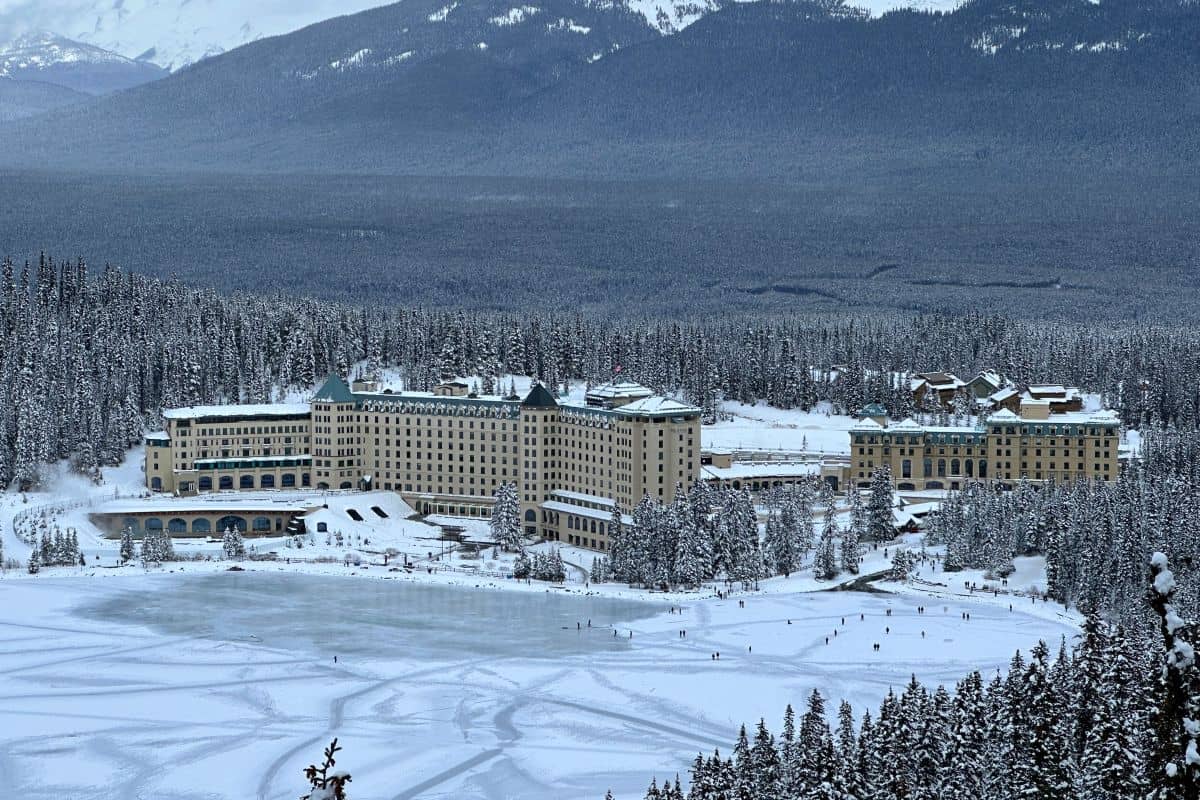
Afternoon tea at either the Fairmont Banff Springs or the Chateau Lake Louise feels elegant without being pretentious. At the Banff Springs, you’ll settle into a warm room with large windows overlooking the snowy valley.
Trays arrive stacked with pastries, scones, sandwiches, and treats you didn’t know you were craving until you saw them. The tea selection is extensive, and the service is relaxed and unhurried.
At the Chateau Lake Louise, the atmosphere leans more romantic. The view of the frozen lake and surrounding peaks adds a dramatic backdrop to your meal. It’s the kind of experience that feels both luxurious and comforting - perfect for celebrating a winter trip or simply giving your cold bones a break.
It’s surprisingly filling, so don’t plan a huge dinner immediately afterwards.
Visit Park Distillery
Park Distillery is one of Banff’s most popular dining spots in winter, and its distillery tour explains how its spirits are made using glacier-fed water. The behind-the-scenes look is fascinating for anyone who enjoys craft spirits, and the tasting allows you to sample vodkas, gins, and whiskies infused with mountain-inspired flavours.
The restaurant’s menu focuses on warm, hearty dishes such as campfire-style meals and roasted meats - all ideal for cold days. The cocktails are smooth and inventive, often featuring Park’s house-made spirits. After a long winter adventure, this place feels like a warm hug in restaurant form.
Go on a Craft Beer Crawl
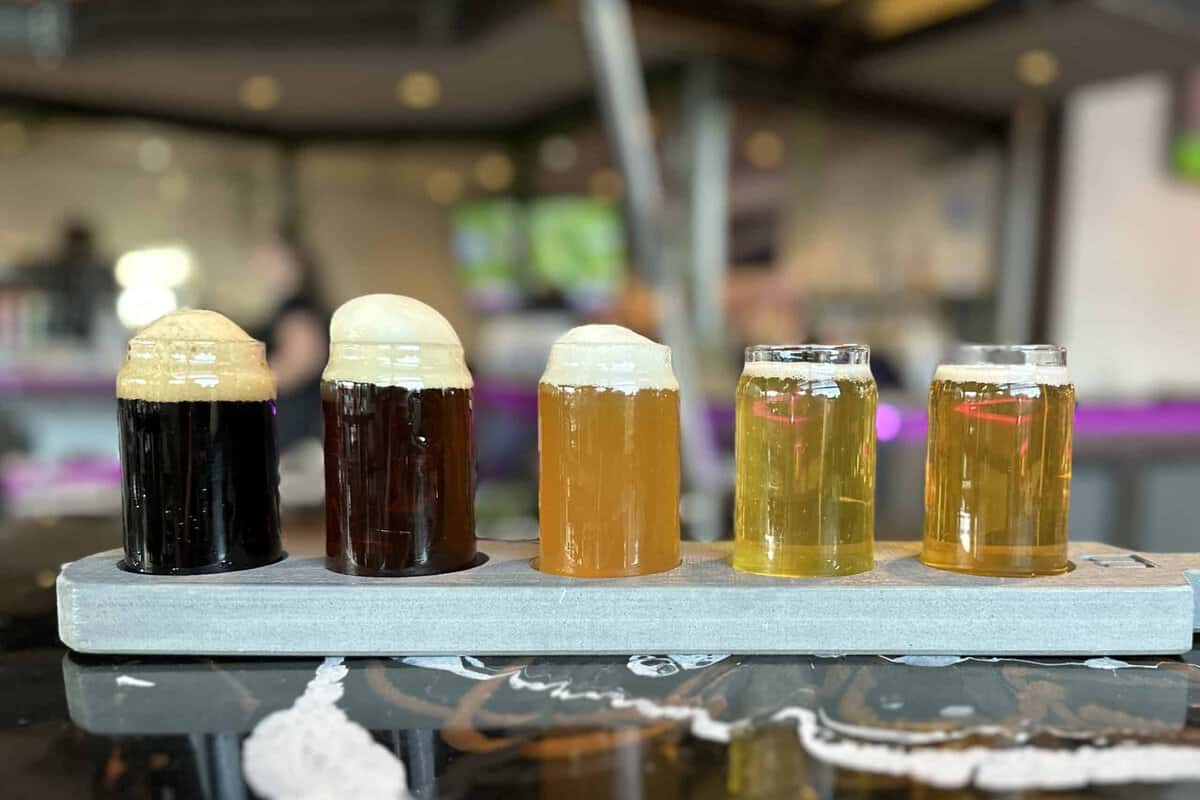
Banff’s craft beer scene is small but mighty. Banff Ave Brewing, perched on the second floor above Banff Avenue, has a relaxed atmosphere with wooden tables, mountain memorabilia, and a menu featuring local favourites. Their beer lineup spans lagers, pale ales, seasonal specialities, and creative brews inspired by local ingredients.
Three Bears Brewery, with its open-concept design and high ceilings, feels spacious and modern. The food is hearty, with shareable plates perfect for groups. Their beer flights let you sample multiple styles, and the rooftop patio - on days when it’s open - adds a fun winter novelty, especially when the air is cold enough for your breath to linger.
Eat in a Dome
Dome dining pops up in Banff and Lake Louise during the winter season. These transparent, heated structures allow you to enjoy a full meal while watching snow fall on the mountains around you. They feel intimate and atmospheric, almost like having your own private dining cabin without needing to chop any firewood.
The domes are especially beautiful at night when soft lighting reflects off the snow. They’re popular with couples, families wanting a special meal, and travellers looking for a unique winter dining experience. Bring an extra sweater just in case - the heaters do a good job, but the transparent walls can still feel chilly on very cold nights.
Visit the Ice Bar at Lake Louise
The Ice Bar near the lakeshore at Lake Louise is carved each winter from large blocks of ice. It’s an impressive structure that sometimes includes sculpted seating or ice shelves for drinks.
Staff serve chilled beverages, and the atmosphere is lively. Most people enjoy a quick drink, snap a photo or two, and then retreat to warmth. It’s not a place you linger for long, but it’s a fun novelty and a great addition to a Lake Louise winter visit.
Wrapping Up Your Banff Winter Adventure
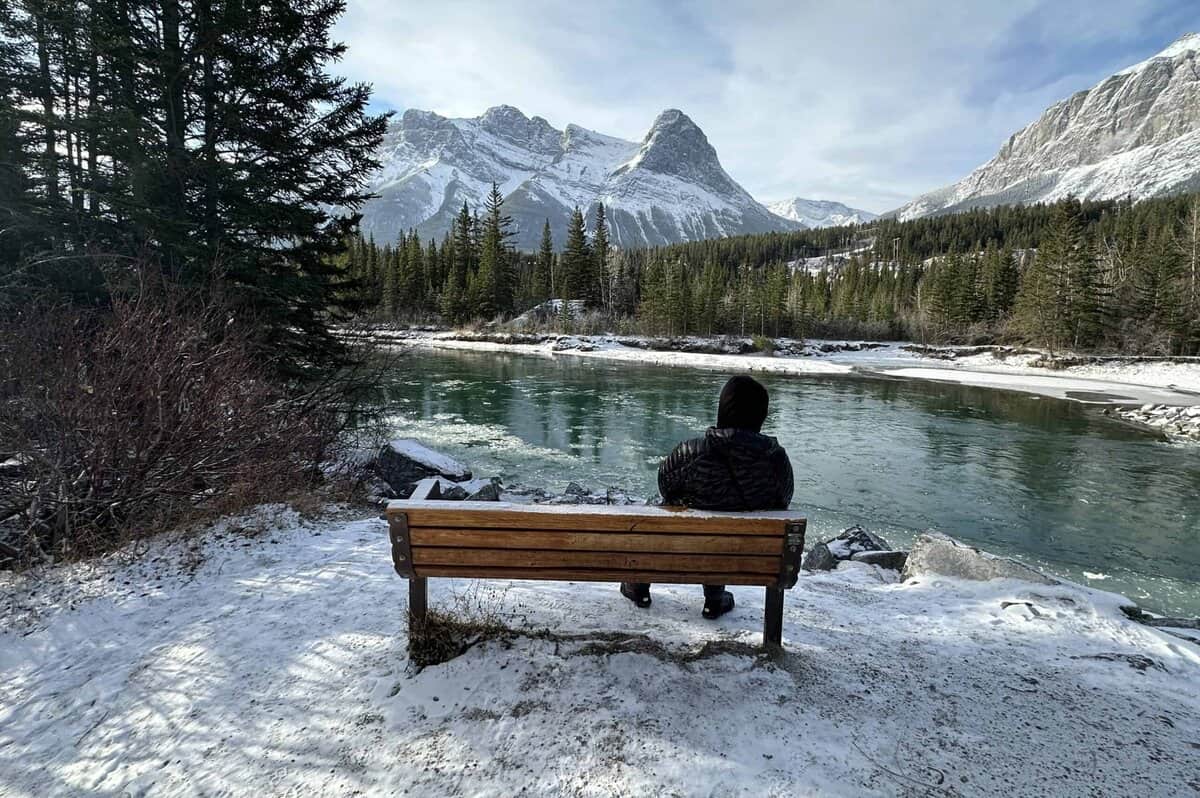
With so many ways to experience Banff in winter, the hardest part is often deciding where to begin. The good news is that everything here has its own charm. Skiing the Big 3 delivers long days on snow and wide mountain views.
Frozen canyons offer quiet moments and surprising beauty. Sunrise photography, scenic drives, wildlife tours, and warm indoor stops all add their own rhythm to a winter trip.
Take your time, dress for the weather, and mix the big adventures with a few easy moments along the way. Winter in the Rockies rewards balance. Build your days around the conditions, stay flexible, and give yourself room to enjoy the unexpected.
No matter how your itinerary unfolds, you’ll leave with a stronger sense of this landscape and why people return year after year to see the mountains covered in fresh snow.
FAQs: Things to Do In Banff In Winter
What is the best time to visit Banff in winter?
Winter activities run from late November to early April, with January and February offering the most consistent snow and cold temperatures.
Do I need a car to explore Banff in winter?
A car provides more flexibility for places like Lake Louise and day trips, but shuttles and tours run regularly. The Banff townsite itself is walkable.
How cold does it get in Banff in winter?
Temperatures can dip below -20°C, especially in January. Sunny days can feel warmer, but wind chill adds intensity. Always dress in layers.
Do I need special gear for winter hikes?
Ice cleats are strongly recommended for trails like Johnston Canyon and Grotto Canyon. Warm boots, proper layers, and gloves are essential.
Are the ski resorts beginner-friendly?
Yes. All three resorts offer beginner terrain, rentals, and lessons. Sunshine and Lake Louise have large learning zones.
Can I see the northern lights in Banff?
It’s possible. Clear nights and active aurora forecasts improve your chances. Viewing is best away from town lights.
Is wild ice safe to skate on?
Only if conditions allow; check ice thickness, avoid inlets and outlets, and go with someone experienced.
Is winter driving safe?
With winter tyres, caution, and attention to road reports, yes. Always check the weather and bring emergency supplies for longer drives.
Is Banff expensive in winter?
Some activities and dining options are pricey, but winter often offers better hotel rates than summer. Many outdoor experiences are free.
What should I pack for Banff in winter?
Layered clothing, an insulated jacket, warm boots, a toque, gloves, and ice cleats. Hand warmers are a good bonus.


