
Banff in January: A Local’s Guide to the Quiet Side of Winter
The Christmas rush is over, the lights come down, and the town exhales. Deep snow, short days, and cold that doesn't pretend to be gentle. Weather, packing, what's actually open, SnowDays and skijoring, and how to work around four o'clock darkness.

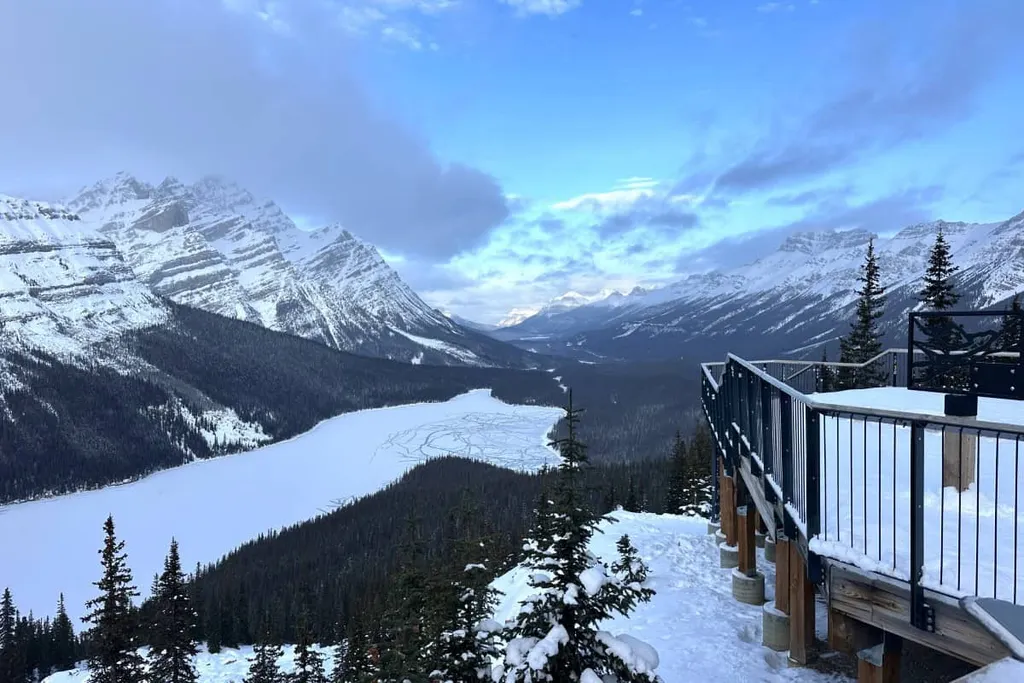
Banff in January is when winter settles in and gets comfortable. The Christmas rush is over, the lights come down, and the town exhales a bit. What you’re left with is deep snow, crisp mornings, and a version of Banff that feels calmer and more local.
It’s properly winter now. Ski season is in full swing, the snow is reliable, and the mountains look exactly how people imagine them in January - cold, bright, and quietly impressive. Days are short, and yes, it can be seriously cold, but that’s the price of admission.
This is the month when you notice the small things. Steam lifting off the river, that squeak your boots make on dry snow, and how quickly places empty out once the sun drops behind the mountains. Locals call it an early night. Visitors call it "unexpected".
Banff in January isn’t about rushing around ticking boxes. It’s about doing fewer things, doing them properly, and warming up afterwards.
Plan it right and January delivers great winter conditions, fewer crowds, and a more honest feel for mountain life - plus a very real appreciation for a good pair of gloves.
❄️ For Winter Adventurers – Johnston Canyon Ice Walk.
⛷ For Snow & Scenery – Lake Louise Visit.
🚡 For Panoramic Winter Views – Banff Gondola.
Weather, Daylight & What to Pack for January
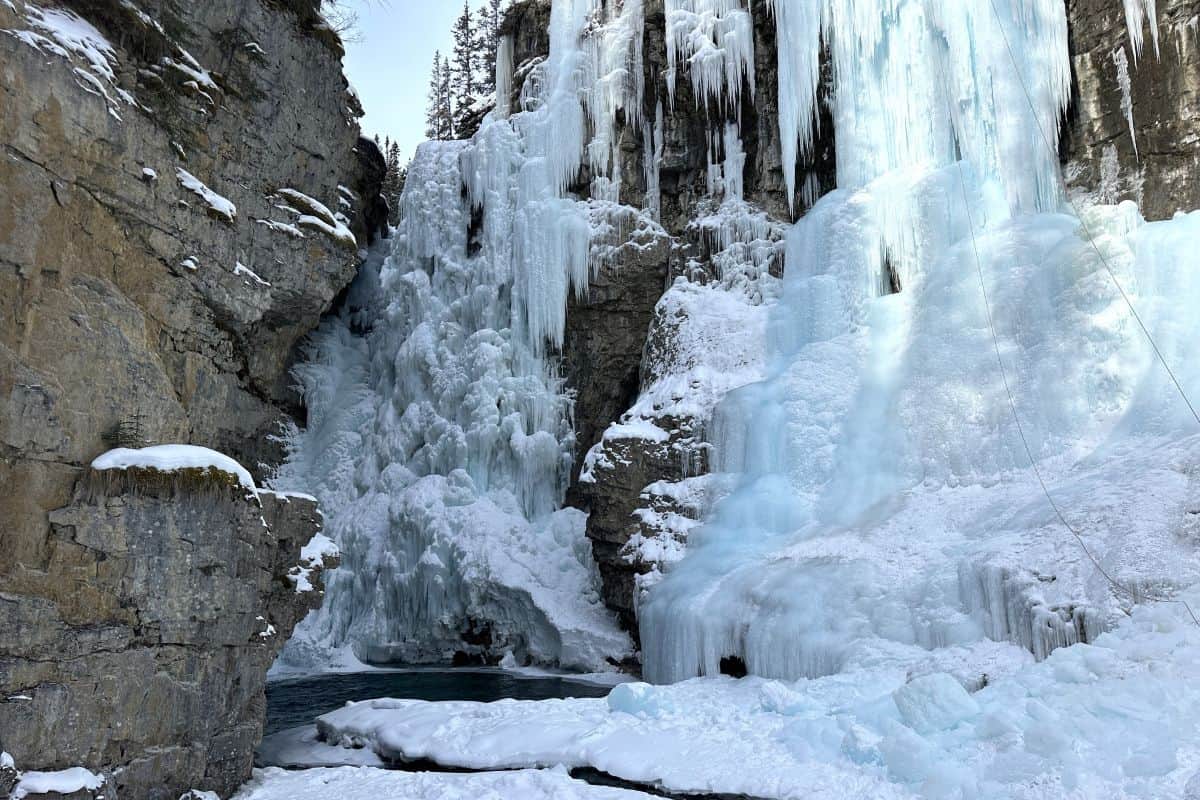
Deep Winter: Cold Days, Long Nights, and a Snow-Laden Landscape
January in Banff is winter with no small talk. The snowpack is locked in, lakes are frozen solid, and the mountains look like they’ve been doing this for a while now. It’s undeniably beautiful, but January doesn’t pretend to be gentle. Being properly prepared for the cold isn’t a nice-to-have; it’s the baseline.
Temperature
Daytime highs in Banff in January usually sit between -10°C and -15°C, with cold snaps regularly dragging things down to -20°C or lower. Overnight lows often dip well below -20°C, especially on clear nights when the heat disappears quickly and without apology.
Wind chill is where things get personal. Open areas, ski lifts, and valley bottoms can feel dramatically colder than the forecast suggests. If the weather app says “feels like -25°C,” believe it. This is not the month for testing how tough you are.
Daylight Hours
January days are short, although they slowly start to improve after the first week. Early January delivers around 7.5 hours of daylight, with sunrise close to 8:45 a.m. and sunset around 4:30 p.m.
By the end of the month, daylight stretches closer to 8.5 hours, with slightly earlier sunrises and later sunsets. Outdoor plans are best saved for late morning through mid-afternoon, when the sun is up, and temperatures are at their most forgiving. Once the light fades, the cold tends to show up immediately, usually right when you’re farthest from your car.
Precipitation
Snowfall is common in January, particularly at higher elevations and in the surrounding mountains. Storms can roll in quickly, sometimes overnight, which makes checking forecasts and trail reports less of a suggestion and more of a habit.
Roads, sidewalks, and main routes in Banff are generally well maintained, but icy patches are normal, especially in shaded areas and early in the day.
Traction devices or ice cleats are genuinely useful here, not just something you buy and never use. If you’ve ever done the January penguin walk on compact ice, you’ll understand why.
The Essential January Packing List: Warmth Is Non-Negotiable
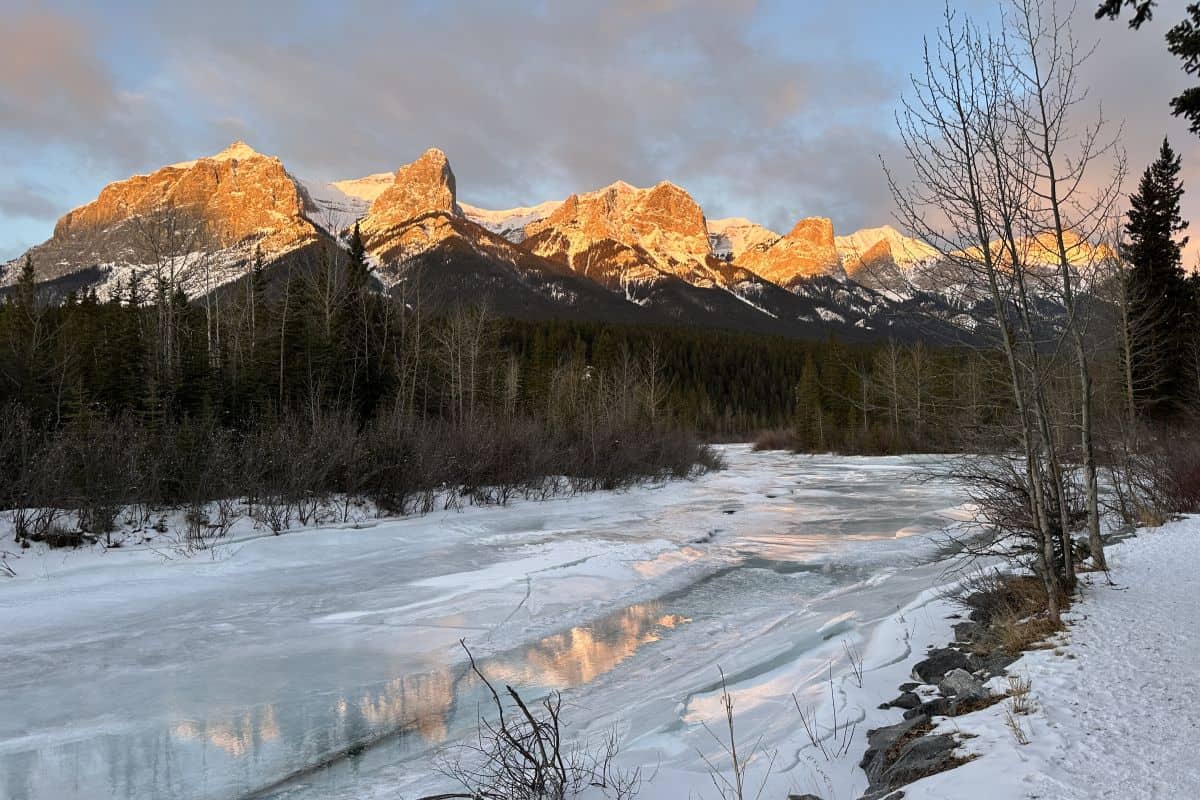
Packing for Banff in January is less about style and more about survival with dignity. Staying warm, dry, and comfortable is the entire game plan. Layering still matters, but January is when insulation, wind protection, and sensible choices take centre stage.
If you’re debating whether you really need that extra layer, the answer is yes. Bring it.
Daytime
Start with a proper moisture-wicking base layer, top and bottom. Add an insulating mid-layer like fleece or down, then finish with a windproof, water-resistant outer shell. Thermal leggings or lined winter pants are ideal for walking around town or heading out on winter trails.
Avoid cotton at all costs. It holds moisture, loses heat, and will turn on you the moment you stop moving. January is not the month for learning this lesson the hard way.
Evenings and Mornings
These are the coldest parts of the day, and January mornings in Banff do not ease you into things gently. A good-quality parka, insulated gloves or mitts, a toque, and a scarf or neck warmer are essential.
Extra socks are always a good idea, especially if you’re spending time outside or heading up the mountain. Hand warmers are also worth packing. You may not think you’ll need them. You will.
Snow Gear
If you’re skiing, snowboarding, snowshoeing, or doing any winter hiking, waterproof and insulated outerwear is essential. Snow pants are not optional, and neither is a proper winter jacket.
Gaiters can be useful on deeper trails to keep snow out of your boots, especially after fresh snowfall. Dry feet are happy feet. Cold, wet feet will ruin even the best January day.
Footwear
Insulated, waterproof winter boots with good tread are critical for Banff in January. Look for boots rated to at least -20°C, preferably colder. Even around town, icy sidewalks and compact snow are normal.
Traction cleats or ice grips are highly recommended, even for casual walking. Locals use them for a reason, and that reason is dignity.
Essentials
Sunglasses and sunscreen still matter in January. Sun reflecting off snow at altitude is brighter than you expect, even on cold days. Lip balm with SPF is also a must unless you enjoy cracked lips as a souvenir.
An insulated water bottle helps prevent freezing, and a thermos for hot drinks can be a genuine morale booster. Hot coffee or tea outdoors in January feels like a small victory, and those add up.
Accommodation in January
January is a very different accommodation story compared to December. Once the Christmas and New Year crowds clear out, Banff settles down and availability improves.
Outside of weekends and major events, January is one of the easier months to find a place to stay, especially if your dates are flexible.
Ski season is fully underway, so popular hotels still book up, but without the frantic holiday rush. You generally have more choice, fewer compromises, and a calmer feel across town.
A Word on January Pricing
Accommodation pricing in Banff in January is usually more reasonable than in December, particularly after the first week of the month. Midweek stays often offer the best value, while weekends can still be busier due to ski traffic and winter events.
Canmore frequently provides better overall value, with more space, easier parking, and less pressure on availability. For travellers who do not mind a short drive, it can be a smart and flexible base in January.
Where to Stay in Banff in January
Fairmont Banff Springs
Price range: $$$$$
Location: Banff Townsite
Pool / Spa: Indoor and outdoor pools; hot tub; full-service spa
Parking: On-site parking (paid)
Pet-friendly: Yes
Best for: Luxury stays; special occasions; spa breaks; families
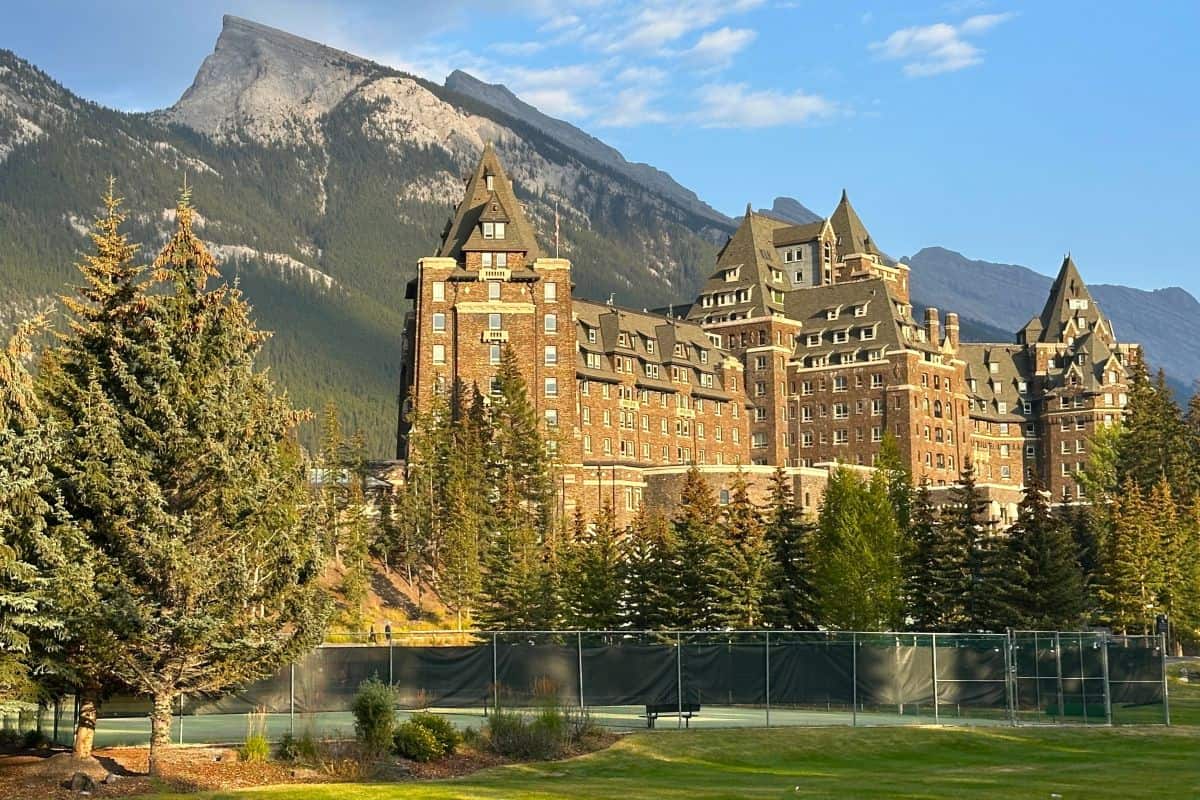
The iconic "Castle in the Rockies" feels especially atmospheric in January, when the grounds are snow-covered, and the pace is noticeably calmer. The spa is at its best in cold weather, and wandering the halls feels less like sightseeing and more like having the place almost to yourself.
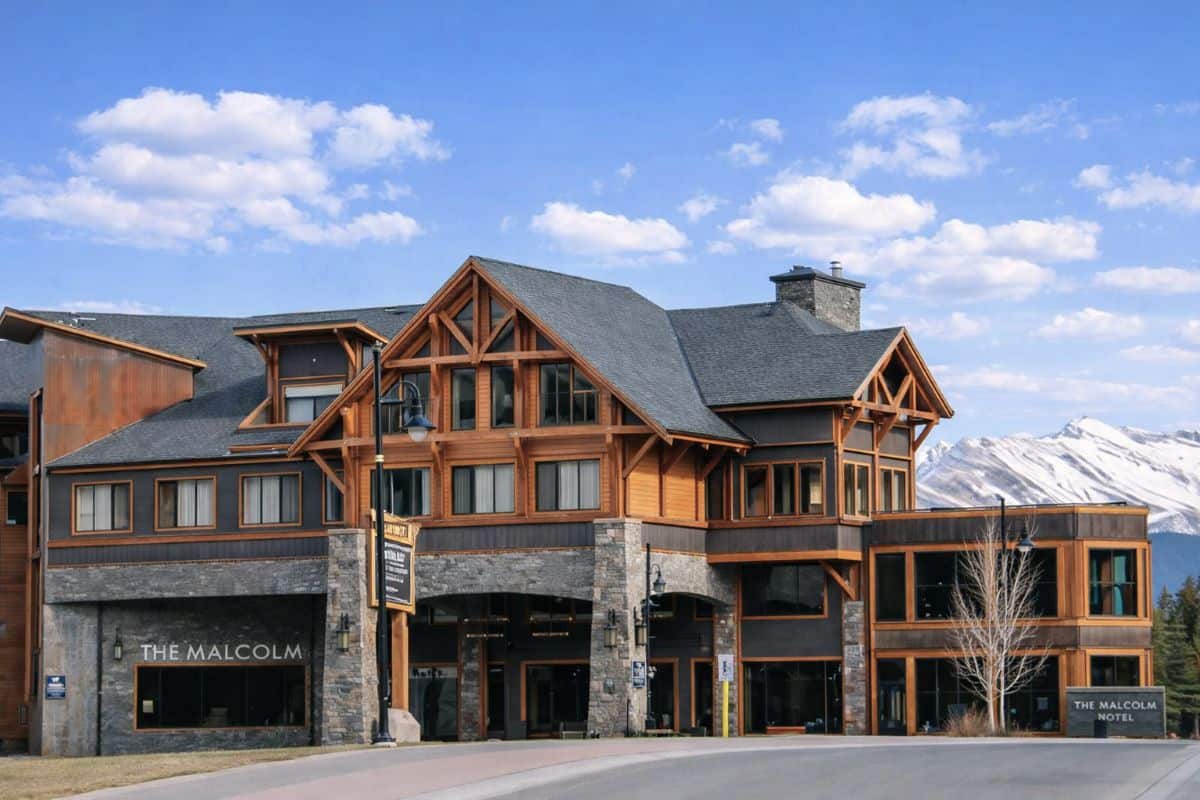
The Malcolm Hotel
Price range: $$$-$$$$
Location: Canmore
Pool / Spa: Rooftop heated outdoor pool; rooftop hot tubs
Parking: Underground parking (free)
Pet-friendly: Yes
Best for: Modern Canmore base; mountain views; couples
A high-end option just outside Banff, offering mountain views, modern rooms, and a heated outdoor pool that makes a lot of sense in January. It works particularly well for longer stays or travellers looking for more space without holiday pricing pressure.
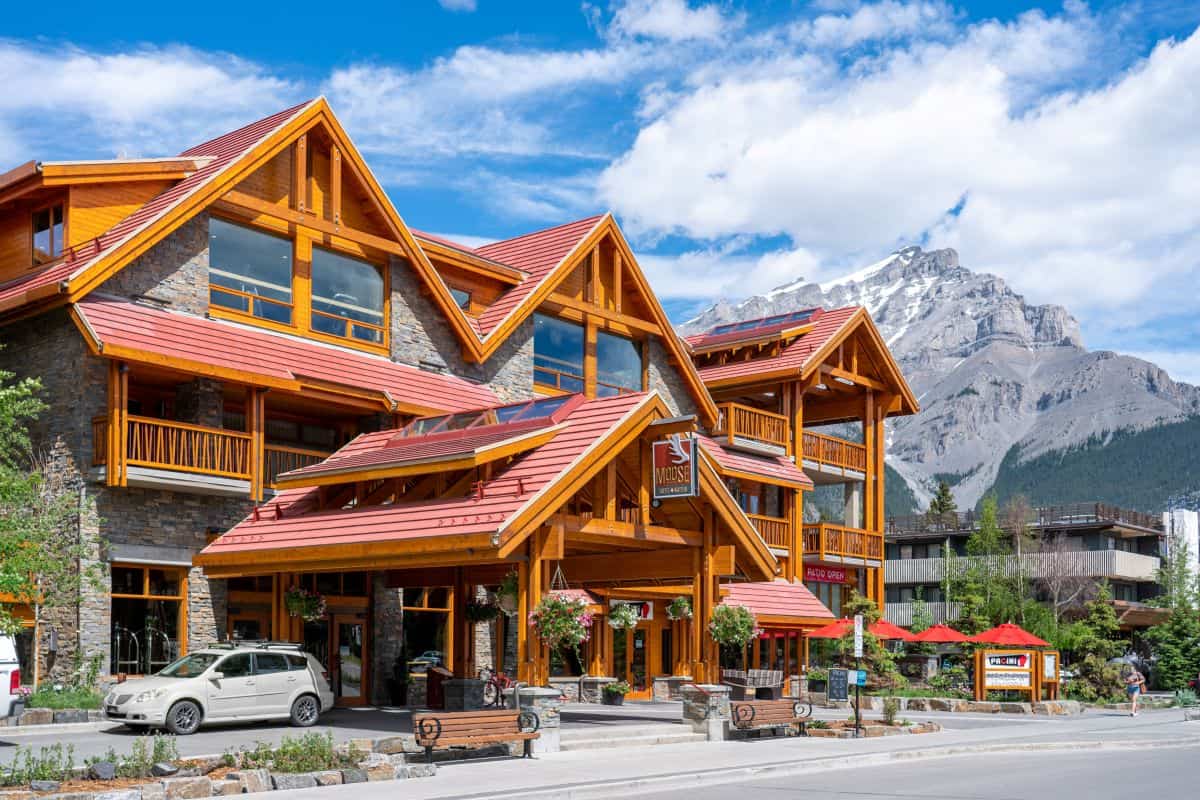
Moose Hotel & Suites
Price range: $$$$
Location: Banff Townsite
Pool / Spa: Indoor pool; rooftop hot pools; spa
Parking: On-site parking (free)
Pet-friendly: Yes
Best for: Banff Avenue location; couples; modern rooms and suites
A modern alpine-style hotel with rooftop hot pools and an easy walk to Banff Avenue. January’s colder days make the hot pools feel like a reward rather than a feature.
The Reality of Banff in January: Quieter Days, Deeper Winter
Banff in January is noticeably calmer than in December. Once the Christmas and New Year crowds head home, the town settles into a more predictable winter rhythm. It’s quieter, but it’s still very much alive, especially around ski hills and on good snow days.
Trails are less busy, restaurants are easier to book, and accommodation availability improves. At the same time, January brings deeper cold, shorter days, and winter conditions that shape how you move around and what’s realistic in a day.
Fewer Visitors, But Still Busy Where It Counts
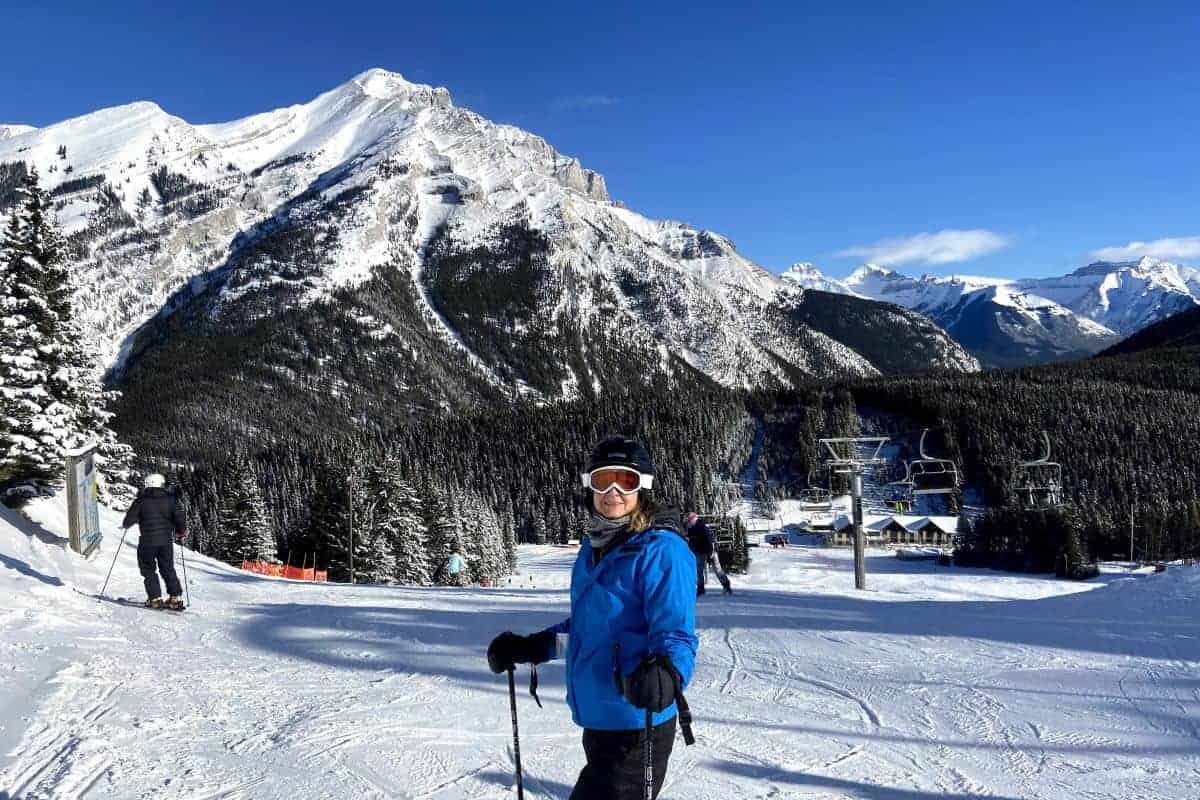
January does not mean empty. Ski resorts remain busy, particularly on weekends and after fresh snowfall. Popular viewpoints and winter attractions still see steady traffic, just without the holiday chaos.
The upside is breathing room. You can plan without feeling like you’re competing with everyone else for the same time slot, parking space, or dinner reservation.
Winter Travel Considerations
Snow and ice are part of daily life in Banff in January. Winter tyres are legally required on certain highways, and driving experience in snowy conditions matters more than confidence.
Road conditions can change quickly, especially overnight or during storms. Always check road reports before heading out, allow extra time, and assume everything will take longer than it does in summer. January rewards patience, not optimism.
The Shuttle Advantage: Let Someone Else Drive
January is an excellent month to let someone else handle the winter roads. Parking at Lake Louise can still fill up, even in winter, and ski resort lots get busy quickly on powder days.
Many Banff accommodations offer shuttle services to ski areas. These options remove the stress of winter driving and the bonus round of searching for parking in the cold.
Always check schedules in advance, as frequency can vary depending on demand and conditions.
Roam Public Transit: Reliable All Winter
Roam Transit operates year-round and is a solid option in January. Heated buses, reliable routes, and real-time tracking make it far more comfortable than standing beside your car, wondering why it won’t warm up.
Route 8X, the Lake Louise Express, runs through the winter and is one of the easiest ways to reach Lake Louise Village without dealing with winter parking. It also pairs nicely with a slower, less rushed January pace.
The Golden Rule for January: Start Early, Finish Smart
January days are short, even if they slowly improve as the month goes on. Starting early gives you the best light and the mildest temperatures you’re going to get.
Plan outdoor activities for late morning through mid-afternoon and aim to wrap things up before dusk. Temperatures drop quickly once the sun disappears, usually right when you’re thinking about doing “one more thing.”
Flexibility matters in January. Weather shifts, roads close temporarily, and plans change. Build in buffer time, have a backup plan, and don’t treat a tight schedule like a personal challenge.
Moraine Lake Reminder
Moraine Lake remains inaccessible in January. It’s closed to vehicles and buried under snow until late spring. If someone tells you they went in January, they are either mistaken or trying to impress you.
Best January Activities (and How to Do Them Right)
Lake Louise in Winter
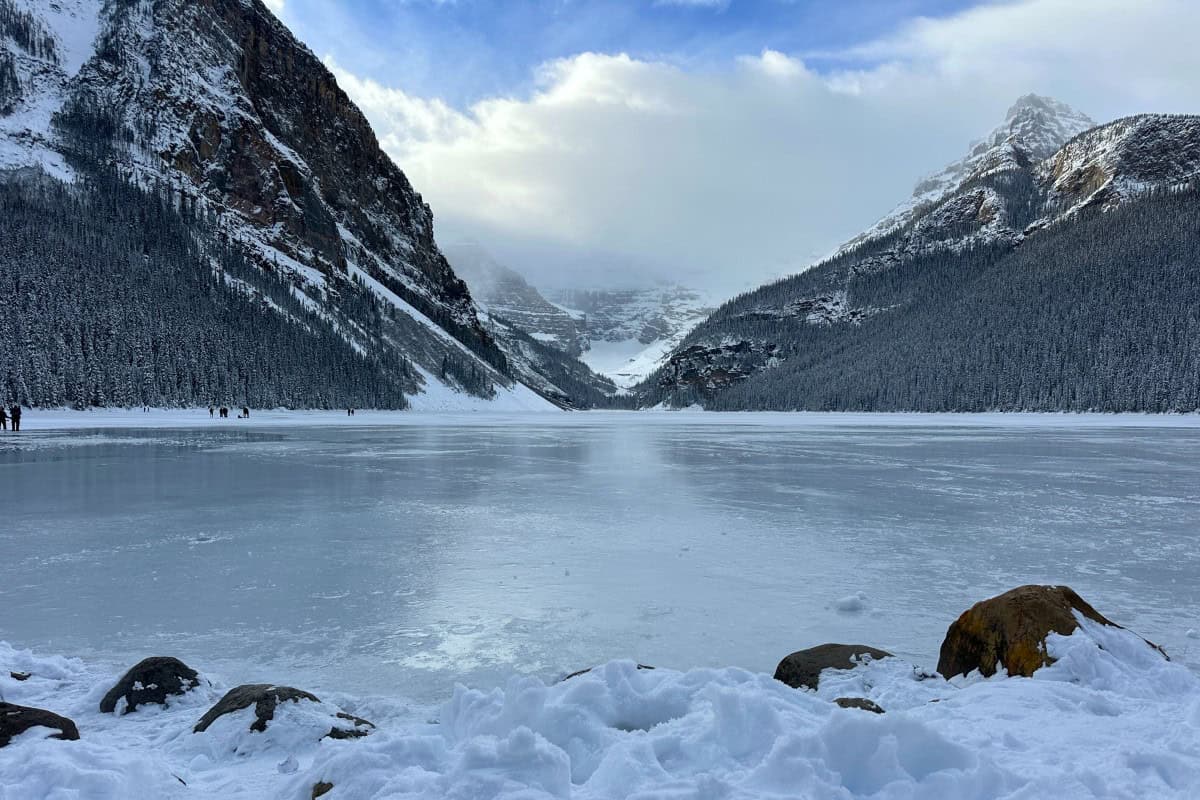
Lake Louise in January is fully frozen, fully snow-covered, and firmly in postcard mode. The lake surface is solid, the crowds are thinner than in December, and winter activities are in full swing.
You can skate directly on the lake, rent skates at the Fairmont Chateau Lake Louise, or take a sleigh ride across the ice with Victoria Glacier looming in the background. Even if you do nothing more than walk the lakeshore, the views are worth the cold fingers.
Surrounding trails like the Lake Louise Lakeshore and Fairview Lookout are well-packed and popular for winter hiking and snowshoeing. Traction is essential here, and starting early helps keep things quieter.
Lake Minnewanka in Winter
Lake Minnewanka remains a worthwhile stop in January, even without the boat cruise. The lake is usually frozen or partially frozen, and the wide-open views make it feel properly wintry.
Trails like Stewart Canyon offer peaceful winter hiking and snowshoeing, especially midweek. Wildlife sightings are possible year-round, so keep your distance and your camera ready.
Microspikes are strongly recommended, as icy patches are standard. Note that Roam Transit Route 6 to Lake Minnewanka does not run in winter, so you’ll need your own vehicle or a tour.
Banff Gondola (Sulphur Mountain): Winter Views at the Summit
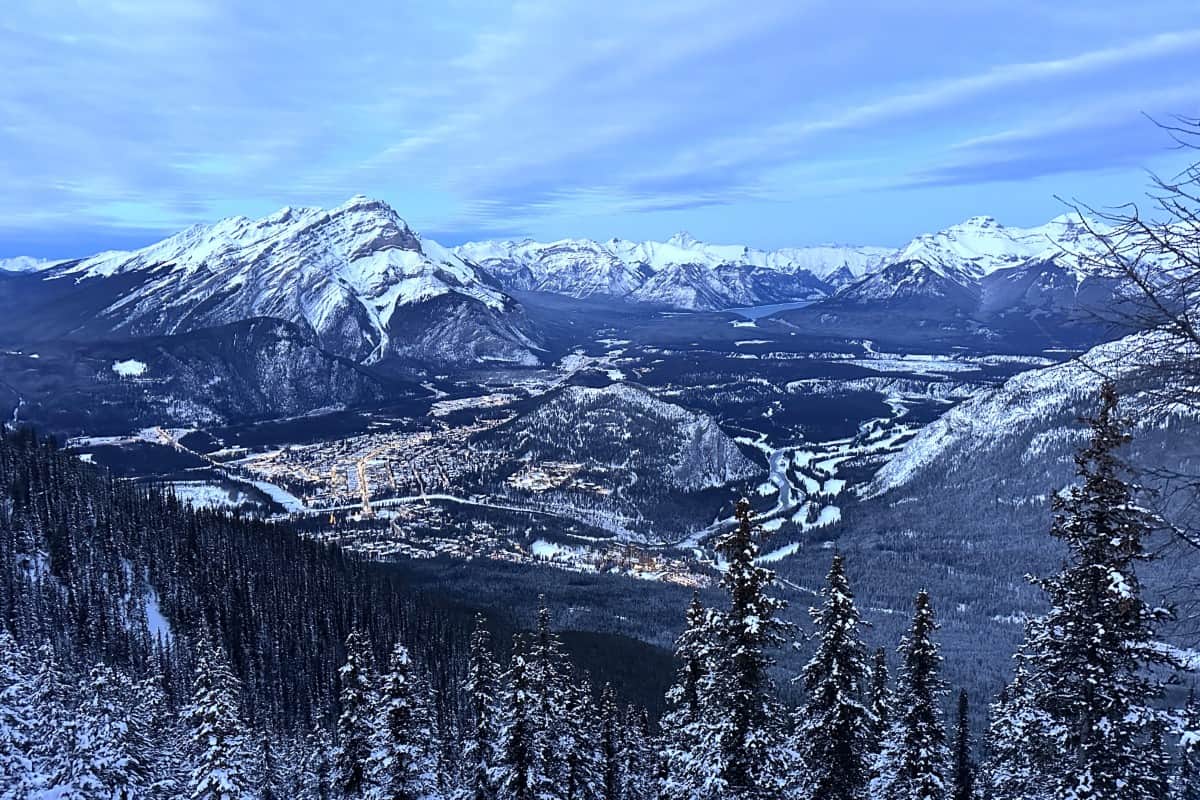
The Banff Gondola runs year-round, and January is all about snow-covered peaks and clear winter views. The summit facilities provide a welcome warm-up, and Sky Bistro is a popular spot to linger once you’ve thawed out.
Holiday programming winds down after early January, but sunsets remain excellent, especially on clear days when the Bow Valley lights up in soft winter colours. January is generally less busy than December, but advance booking is still recommended on weekends.
Snowshoeing and Winter Hiking
January is prime time for snowshoeing and winter hiking in Banff. With consistent snow coverage, trails are well-established and predictable.
Popular routes include Johnson Lake, Tunnel Mountain, and the Lake Louise shoreline. Snowshoe rentals are easy to find in Banff and Lake Louise, and guided tours are a good option if you’re new to winter travel or prefer someone else to handle route planning.
Johnston Canyon Ice Walk
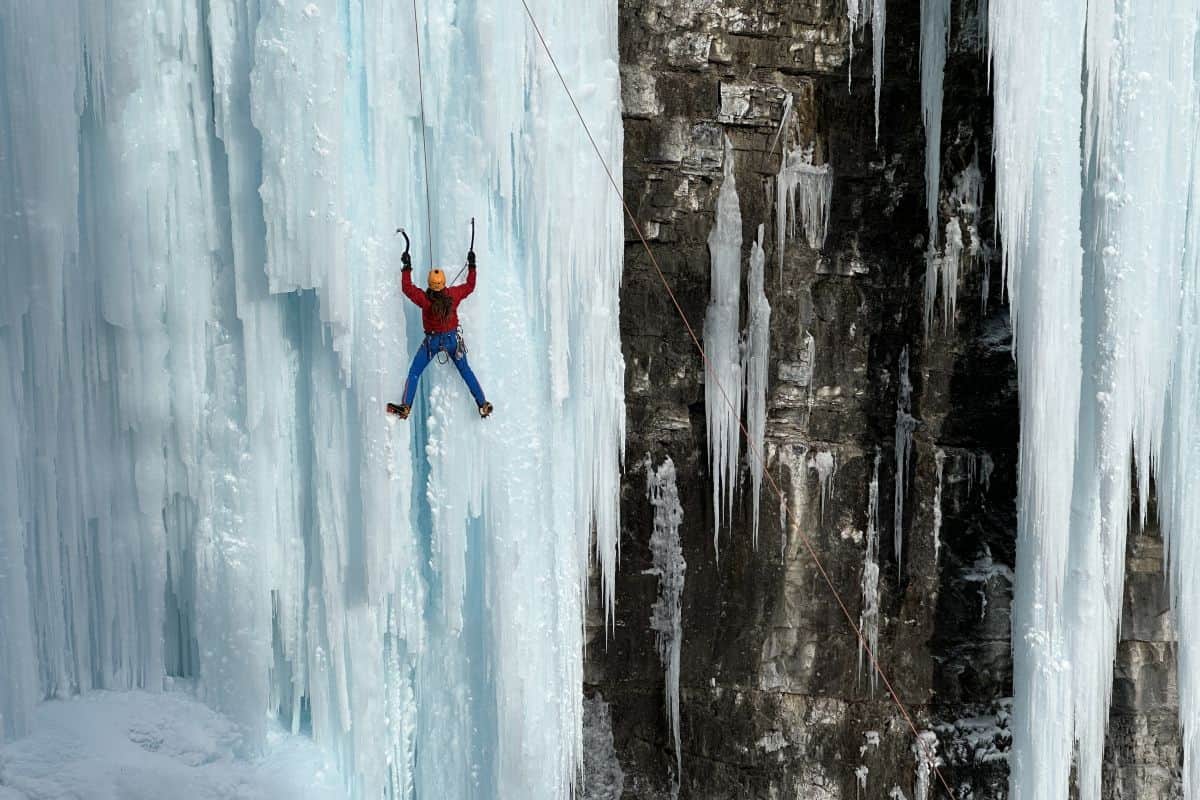
January is peak ice walk season at Johnston Canyon. By now, the waterfalls are fully frozen into dramatic ice formations that feel more sculpture than nature.
The trail is accessible but very popular, so early mornings or later afternoons are your best bet for fewer people. Ice cleats or microspikes are essential. Guided ice walk tours include gear, transportation, and usually hot chocolate, which feels well-earned by the time you’re done.
Downhill Skiing and Snowboarding
By January, all three Banff ski resorts are fully open and reliably covered. Sunshine Village, Lake Louise Ski Resort, and Mt. Norquay offer a mix of terrain, from long alpine runs to family-friendly slopes.
Snow conditions are typically at their best, especially after fresh snowfall. Weekends and powder days are busy, but midweek skiing in January can be excellent and far less crowded.
Skating
Skating options in January are well established. Lake Louise remains the standout, but you’ll also find outdoor rinks at the Banff High School field and Fenlands Recreation Centre.
Conditions depend on the weather, but January usually delivers consistent ice. Skating outdoors on a cold, clear evening is one of those experiences that sounds questionable until you do it.
For a special day out, we highly recommend the Whiteway in Invermere.
Sleigh Rides
Sleigh rides continue into January around Lake Louise and in select areas near Banff. Without the holiday rush, bookings are easier to find, and the experience feels calmer and more relaxed.
It’s a great low-effort winter activity that still delivers maximum scenery, especially for families or anyone looking to stay warm while doing something outdoors.
Cross-Country Skiing
January is an excellent month for cross-country skiing in Banff. Groomed trails around the Banff Golf Course, Lake Louise, and Cascade Valley offer a wide range of options, from flat beginner loops to longer scenic routes.
Rentals are available in town and at some trailheads, making it easy to get started without much planning.
Snow Tubing at Mt. Norquay
Mt. Norquay’s snow tube park is open in January and remains one of the easiest ways to get some downhill fun without committing to skis or a lift pass.
It’s fast, fun, and surprisingly addictive, with excellent views over Banff. Ideal for mixed groups where not everyone wants to ski.
Abraham Lake Ice Bubbles
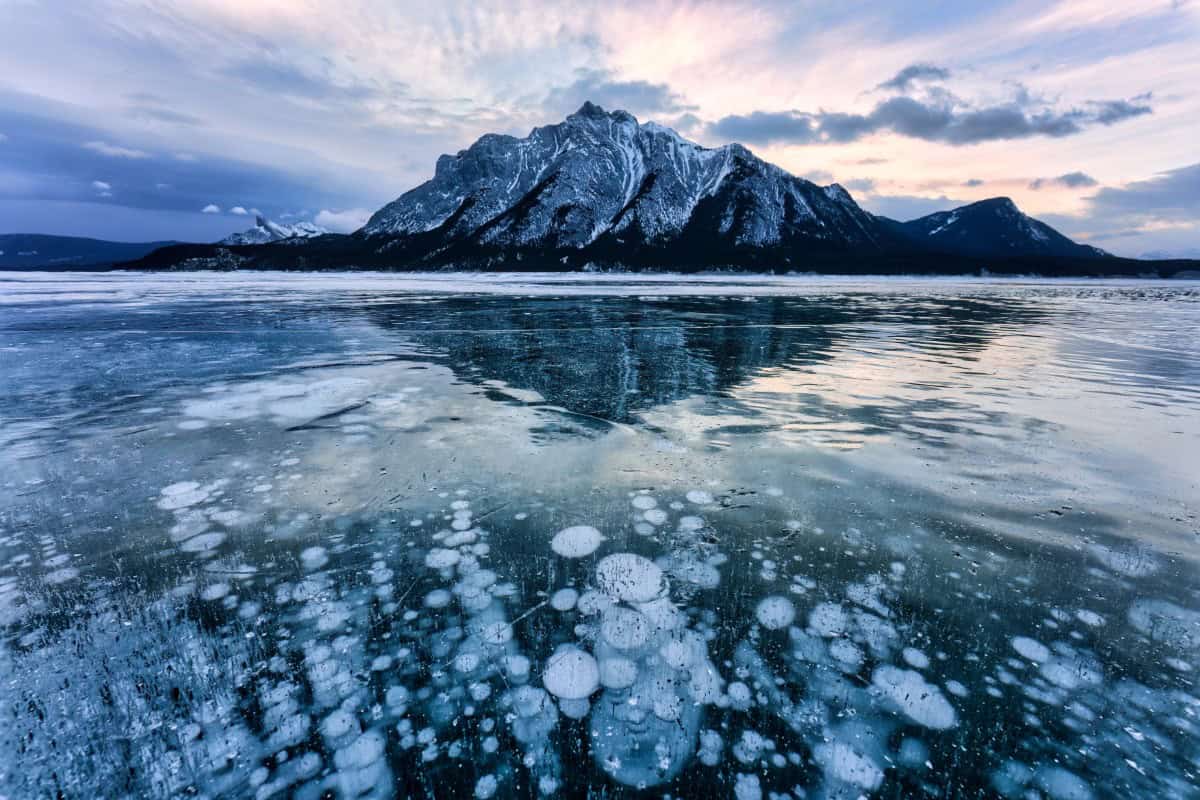
Abraham Lake sits just outside Banff National Park, but it’s a popular January side trip for winter visitors. By this point in the season, the famous methane ice bubbles are usually well-formed, stacked in layers beneath the ice like frozen pearls.
Conditions can be brutally cold and windy, but the visuals are genuinely unique. Bring a tripod, dress appropriately, and check ice conditions before heading out. January is not the month to guess.
Wildlife and Nature: Quieter Still, But Very Much Present
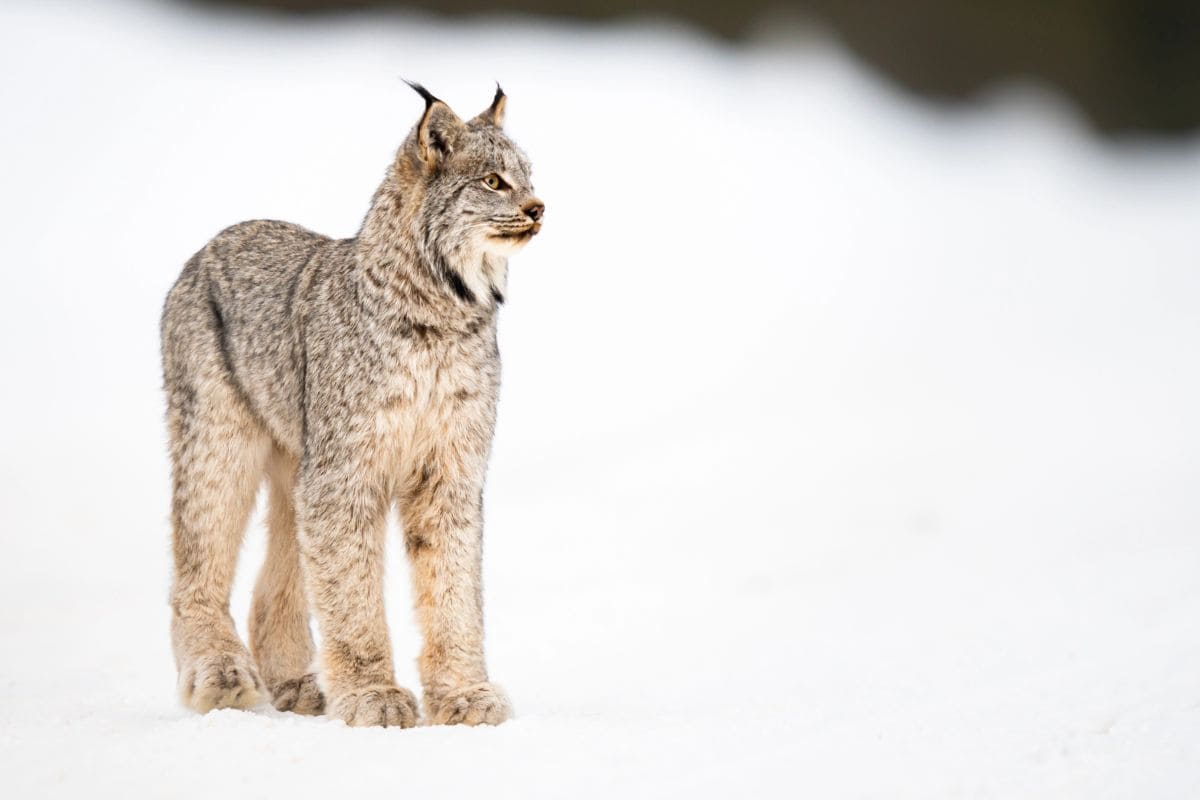
January is one of the quietest months for wildlife viewing in Banff, but that does not mean nothing is happening. With deep snow and cold temperatures, animals conserve energy, move less, and stick to areas where food is easier to find.
What January offers is subtlety. Fewer dramatic moments, fewer roadside traffic jams caused by someone shouting “ELK,” and more chances to notice tracks, movement, and behaviour if you slow down and pay attention.
Wildlife tends to stay lower in the valleys during winter, which makes sightings around town, along parkways, and near open meadows more likely than in summer. As always, keep your distance, give animals space, and never approach or feed wildlife.
Elk in January: Still Around, Just Keeping to Themselves
Elk are present year-round in the Bow Valley, and January is no exception. The rut is long over, and behaviour is generally calmer, but that does not mean predictable.
Small groups are often seen in open areas, including the Banff Springs golf course, Vermilion Lakes, and forest edges near town. Early morning and late afternoon are the most common times to spot them, particularly on quieter days.
They may look relaxed, but winter is a stressful season for wildlife. Give them plenty of space and avoid crowding them for photos. January is not the month to test how close is too close.
Bears Are Asleep, But Tracks Tell the Story
By January, both grizzly and black bears are fully denned and will not be active. That part is simple.
What you may see instead are tracks. Wolves, cougars, lynx (if you are lucky), coyotes, and foxes remain active throughout winter and are well-adapted to cold conditions. Actual sightings are rare, but fresh tracks crossing trails, roads, or frozen lakes are common and a quiet reminder that the park is far from empty.
Seeing tracks without seeing the animal is normal, and in January, that is often the entire experience.
Bighorn Sheep and Mountain Goats: Winter Roadside Sightings
Bighorn sheep are among the most reliable winter wildlife sightings in January. They often move to lower elevations where the snow is thinner, and the food is more accessible.
You are most likely to spot them along the Bow Valley Parkway, Highway 1A, and near Lake Minnewanka. Mountain goats are less common but can occasionally be seen on steeper, rocky terrain nearby.
If you encounter sheep near the road, stay in your vehicle and keep moving if traffic allows. They are impressive animals, not a photo opportunity that requires standing in the cold, arguing with your zoom lens.
Moose and Deer: Quiet and Elusive
Moose are present in Banff National Park year-round, but January sightings are uncommon. They tend to stick to forested wetlands and sheltered areas, such as around Vermilion Lakes or farther north along the Icefields Parkway.
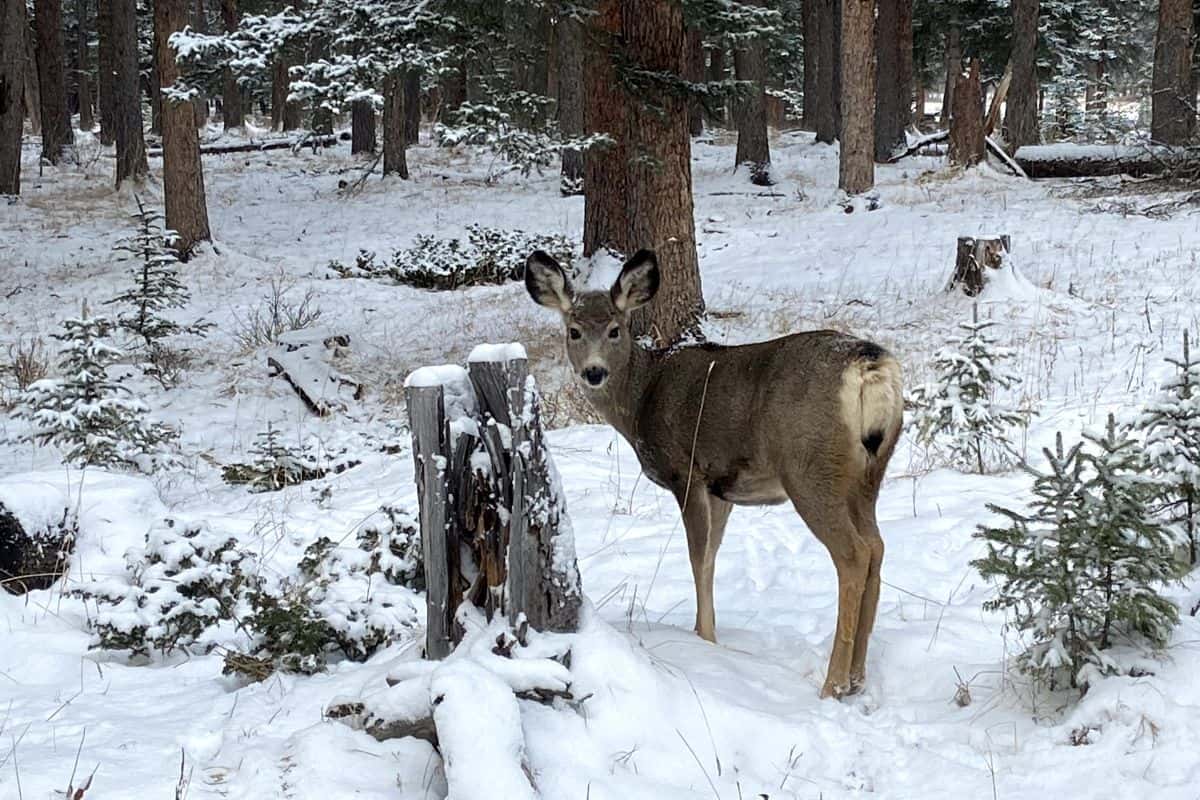
White-tailed and mule deer are easier to spot and often move through the Banff townsite or graze in open areas near roads and trails. Like all winter wildlife, they are conserving energy, so slow movement and long pauses are normal.
Winter Birds and Small Mammals
While most migratory birds have moved on, January still offers plenty of birdlife. Chickadees, woodpeckers, ravens, and grey jays are active throughout the winter and easy to spot once you stop looking only for large animals.
If you are quiet and patient, you may also see snowshoe hares, red squirrels, or ermine moving quickly across the snow. In January, wildlife does not disappear - it simply lowers the volume.
Scenic Drives and Day Trips
January turns Banff’s scenic drives into something quieter and more serious. Snow-covered highways, frozen waterfalls, and frost-coated forests make the landscape feel clean and still, but winter conditions very much dictate what’s realistic.
Some routes remain fully open, others require extra planning, and all of them demand respect for weather, daylight, and road conditions. January rewards preparation more than spontaneity.
Icefields Parkway
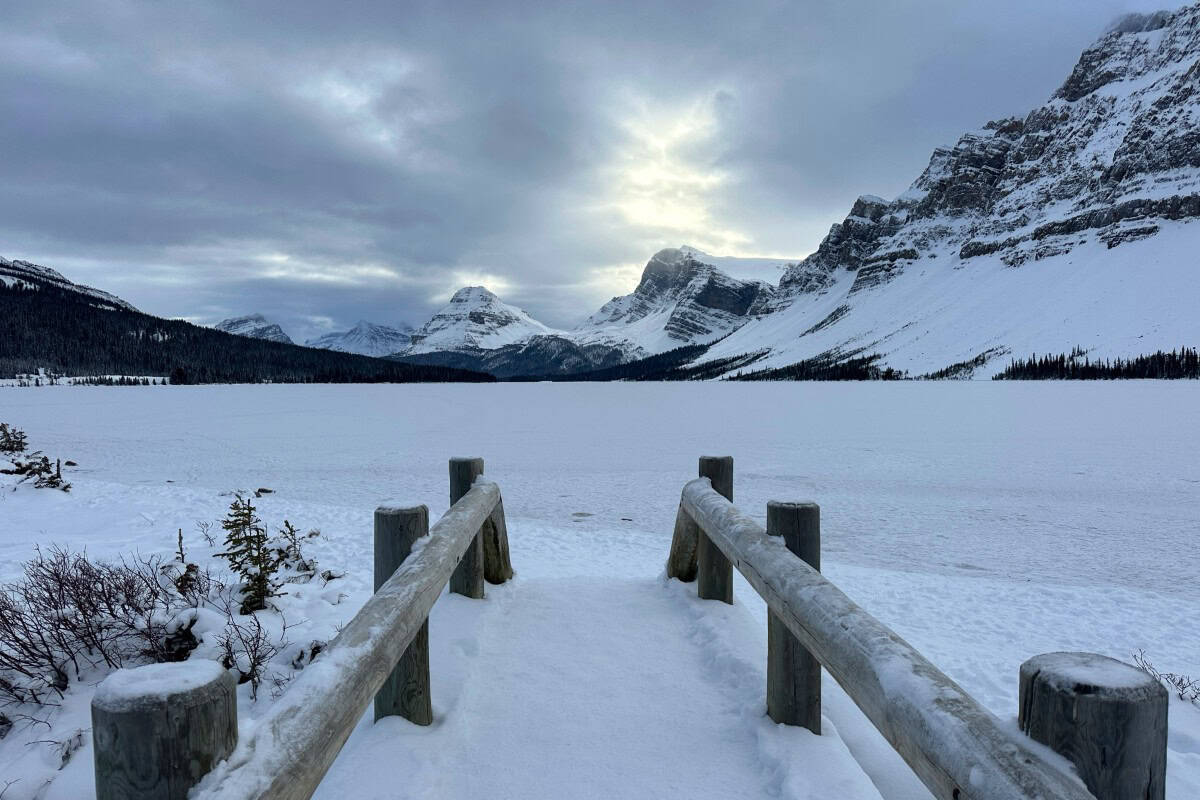
The Icefields Parkway remains open year-round, weather permitting, and January brings a deep winter stillness to the drive. Snow blankets the peaks, frozen lakes sit under low winter light, and traffic is usually lighter than in summer or December.
Stops like Bow Lake are accessible depending on conditions, and the Peyto Lake viewpoint may be reachable with care. Parking areas are not always fully ploughed, facilities are limited, and conditions can change quickly. Always check the road report before setting out, and assume winter driving the entire way.
January is not the time for casual cruising. This drive is spectacular, but only if you are adequately prepared.
Important January Notes for the Icefields Parkway
No services
There is no fuel, food, lodging, or reliable cell service along the entire 230 km stretch between Lake Louise and Jasper from October through May.
No road salt
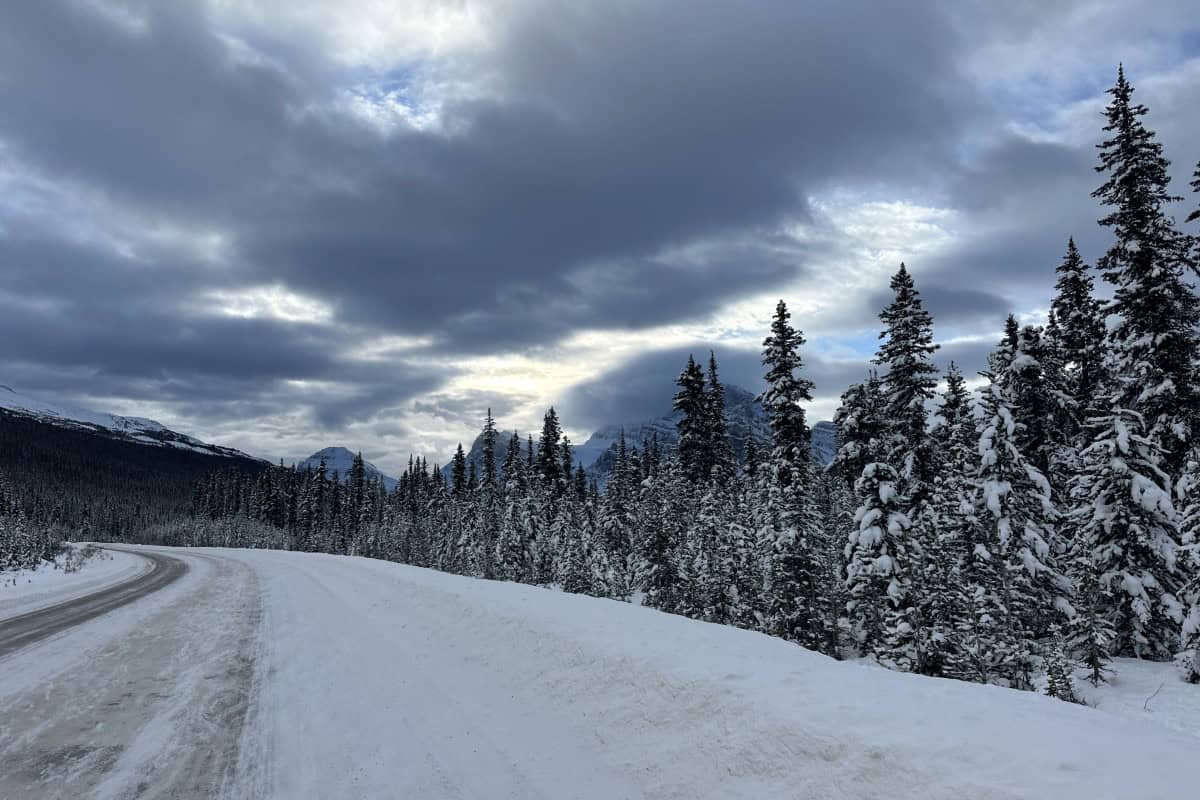
The parkway is ploughed and sanded but not salted. Expect compact snow and ice to remain on the road surface for long periods.
Limited maintenance hours
Road maintenance typically runs during daylight hours only, roughly 7:00 a.m. to 3:30 p.m. There is no overnight maintenance, and closures can happen without much warning due to snowfall or avalanche control.
Mandatory winter equipment
Proper winter tyres are legally required on certain highways and strongly recommended everywhere. Carry an emergency kit with blankets, extra food and water, and a shovel. January is not forgiving if something goes wrong.
Viewpoint access
Access to viewpoints such as Peyto Lake is not guaranteed. Upper parking areas are often unplowed, and reaching viewpoints may involve parking safely along the highway and walking or snowshoeing through deep snow.
Daylight planning
January days are short. Plan your drive around midday light and turn back earlier than you think you need to. Darkness and cold arrive quickly.
Yoho and Kootenay National Parks
Yoho and Kootenay National Parks remain excellent January day trips, though access is more limited than in summer and requires flexibility.
In Yoho National Park, Emerald Lake is especially striking in January. Snow-laden trees, a frozen shoreline, and fewer visitors give the area a quiet, almost private feel. Snowshoeing and cross-country skiing are popular here, and conditions are usually reliable by mid-winter.
In Kootenay National Park, Marble Canyon remains accessible via Highway 93. The short walk through icy canyon walls and over frozen creeks is well worth the stop, even on colder days. Traction is essential, and icy sections are common.
Always check road and trail conditions before heading out. In January, neighbouring parks are best enjoyed with a flexible plan and a willingness to turn around if conditions change.
January Events and Festivals: Winter at Full Volume
January is when Banff, Canmore, and the surrounding parks stop easing into winter and fully commit. The holiday rush is over, but the calendar is still busy, especially if you enjoy snow, ice, and events that only make sense when it’s properly cold.
Instead of festive lights and Christmas markets, January brings winter festivals, ice and snow art, outdoor games, and après-style events that lean into the season rather than fighting it.
SnowDays (Banff and Lake Louise)
SnowDays is the headline winter festival in Banff and Lake Louise, usually running through January and into February. It transforms the town into a winter playground, with massive snow and ice sculptures, skijoring races down Banff Avenue, and a mix of family-friendly and après-style events.
It’s lively without being overwhelming, and because it stretches over several weeks, you can dip in and out rather than trying to do everything in one day.
Bear Street Hub (Banff)
The Bear Street Hub is the beating heart of SnowDays. Downtown Banff fills with live music, circus acts, street performers, and snow and ice carving displays.
Events run throughout the festival, with plenty that are easy to enjoy even if you’re just passing through town between other plans. It’s energetic, outdoorsy, and very much built for January conditions.
SnowDays Play Zone (Banff)
The SnowDays Play Zone takes over Central Park during the festival, turning it into a hands-on winter playground. Activities often include fat biking, curling, classic Canadian games, and interactive snow features.
It’s especially popular with families, but it’s also a good reminder that winter in Banff isn’t only about skiing.
SnowNights (Banff)
SnowNights brings SnowDays into the evening, with curated dining experiences, live entertainment, and nighttime events across Banff. Think après-ski energy rather than late-night clubbing.
It’s a good option if your daytime plans are already full and you want something structured to do once the sun goes down, which in January is most of the time.
Snow Sculptures (Banff)
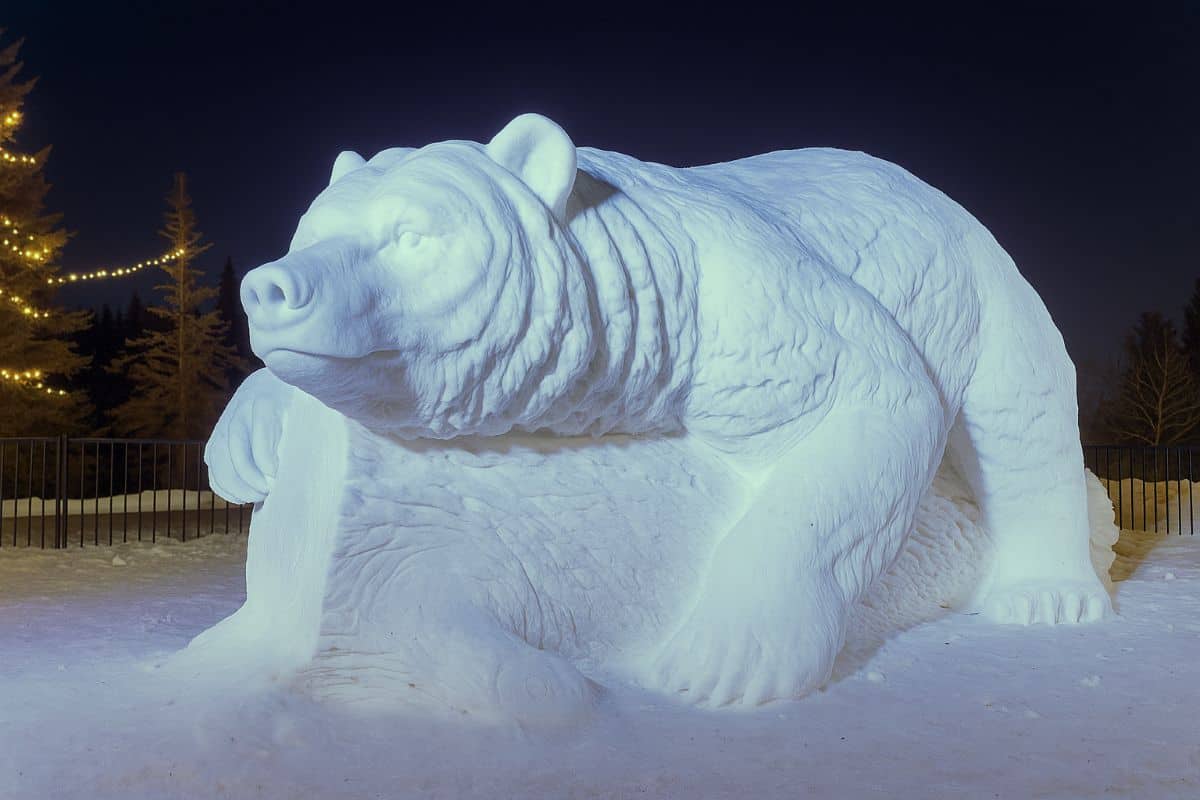
Snow sculptors from around the world transform giant blocks of snow into detailed works of art during SnowDays. Sculptures are spread through downtown Banff, creating an easy walking route from Bear Street to Central Park.
In the evening, illuminated displays give the town a completely different feel. It’s low effort, high reward, and works well between meals or after dinner.
Weekend of Wonder (Banff)
The Weekend of Wonder is one of the more family-focused parts of SnowDays, filling Bear Street with creative workshops, ice carving demonstrations, performances, and interactive activities.
Daytime events are aimed at all ages, while evenings often feature variety shows, cabaret-style entertainment, and casual performances that lean into winter fun rather than formality.
Jasper in January (Jasper)
Jasper in January brings life to what is normally the quietest month in Jasper National Park. The festival runs for roughly two weeks and combines outdoor activities like skating, skiing, and guided snowshoeing with live music, food specials, and community events around town.
It’s worth considering if you’re planning a winter road trip or already thinking about the Icefields Parkway.
Jasper Pond Hockey Tournament (Jasper)
One of the most Canadian events on the calendar, the Jasper Pond Hockey Tournament turns frozen lakes into outdoor rinks surrounded by snowy peaks.
Teams compete in a relaxed but spirited atmosphere, and even if you’re not playing, it’s a fun event to watch and wander through. Cold fingers are part of the experience.
Nightrise at the Banff Gondola (Banff)
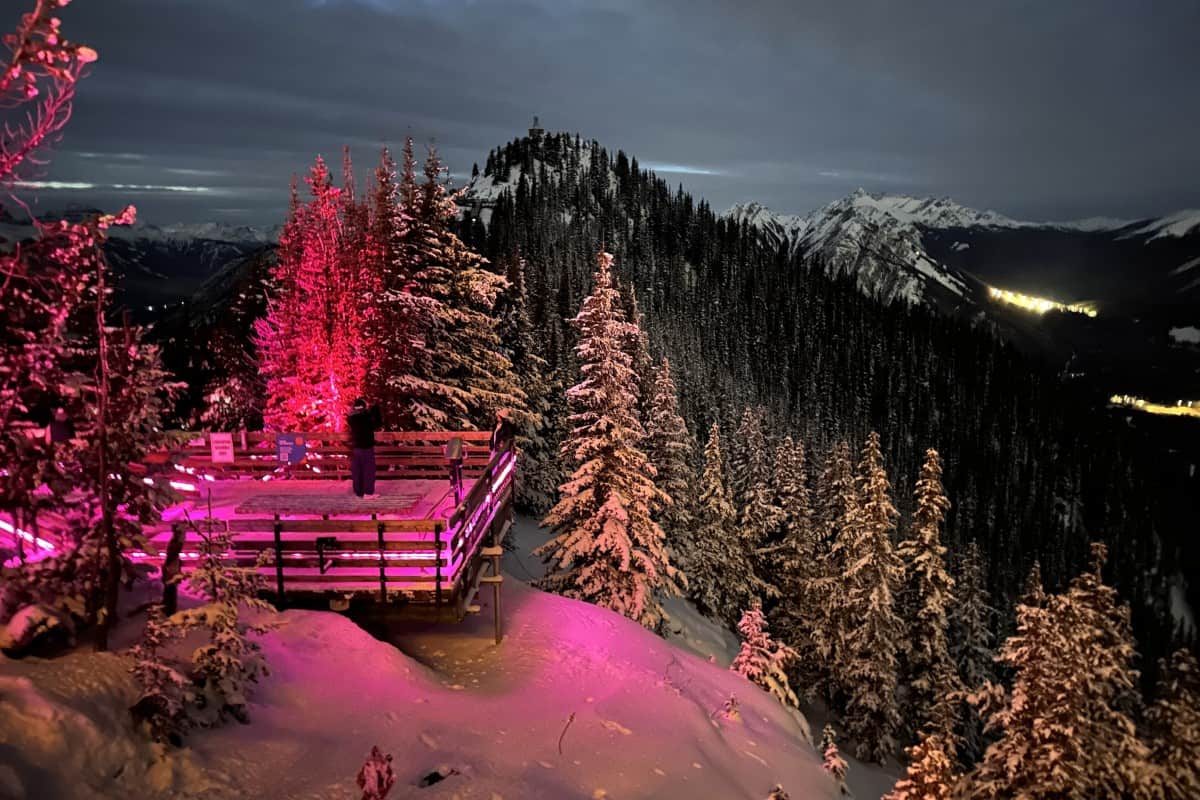
Nightrise runs from November through March and is firmly in its element in January. After sunset, Sulphur Mountain becomes a multimedia experience blending light, sound, storytelling, and mountain scenery.
Created in partnership with Moment Factory and the Stoney Nakoda Nation, the experience also includes stargazing, marshmallow roasting, and live performances.
It’s one of the best evening activities in January, especially if you’re looking for something that doesn’t involve braving the cold for hours.
Tribute to Craft (Banff)
Tribute to Craft is a two-day celebration of cocktails and cuisine held on Bear Street during SnowDays. Local distilleries, restaurants, and bartenders come together for tastings, demonstrations, and events that focus on craft spirits and food.
It’s firmly an adult-focused event and pairs well with a quieter January visit, when reservations are easier to manage.
Banff Winter Carnival (Banff)
The Banff Winter Carnival runs through the winter months at the Cave and Basin National Historic Site. Inspired by the original 1917 carnival, it celebrates Banff’s long history as a winter destination.
Events often include mini curling, box hockey, and hands-on games, alongside historic films and photos that give context to Banff’s early winter tourism roots. It’s low-key, educational, and a nice change of pace from outdoor-heavy days.
Local Tips to Travel Smarter in January
January rewards travellers who plan sensibly, dress properly, and accept that winter sets the rules. Do that, and it’s one of the most enjoyable months to be here.
Book the Right Things Early (Not Everything)
January is quieter than December, but some things still book up - especially ski lessons, gondola tickets on weekends, popular restaurants, and guided winter tours.
Accommodation is usually easier to secure, particularly midweek, but don’t assume you can wing everything. If it’s something you really want to do, book it. January is calm, not empty.
Work With Short Days
January days are still short, especially early in the month. Plan outdoor activities for late morning through mid-afternoon, when light and temperatures are at their best.
Start earlier than you think you need to and aim to finish outdoor plans before dusk. Once the sun drops, temperatures follow quickly. A headlamp is still a good idea, even for short winter walks.
Drive Smart or Don’t Drive at All
Snow and ice are a constant in January. Proper winter tyres are legally required on certain highways and strongly recommended everywhere. Carry an emergency kit with blankets, food, water, and a shovel.
If winter driving is outside your comfort zone, January is a great time to lean on shuttles and Roam Transit. Let someone else deal with the road conditions while you stay warm.
Dress Like You Believe the Forecast
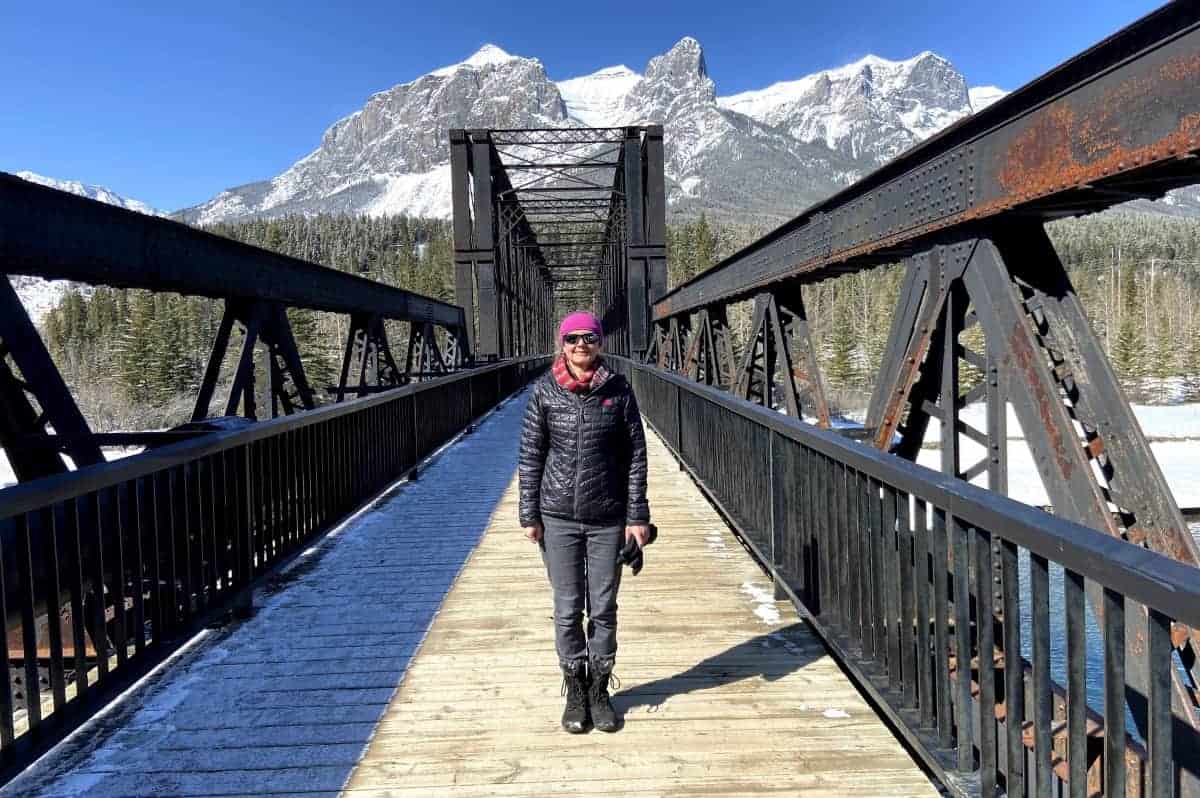
January is often the coldest month of the year in Banff. Temperatures regularly dip well below -15°C, and wind chill can make it feel much colder.
Dress in proper layers, including thermal base layers, a good parka, insulated boots, gloves or mitts, a toque, and face protection. Hand warmers are not overkill in January. They are just practical.
Stay Flexible With Plans
January weather is more stable than early winter, but things can still change quickly. Snowstorms, avalanche control, and temporary road closures are part of mountain life.
Build flexibility into your plans, have a backup activity, and check forecasts and Parks Canada updates regularly. January favours people who adapt, not people who insist.
Wildlife Awareness Still Matters
Bears are fully hibernating in January, but elk, deer, coyotes, and bighorn sheep remain active. Elk and deer frequently move through Banff and Canmore townsites, especially in quieter areas.
Give wildlife plenty of space, stay alert, and never feed animals. Winter is a hard season for them, and extra stress helps no one.
Be Avalanche Aware
If you are heading into backcountry terrain for skiing, snowshoeing, or splitboarding, avalanche awareness is essential in January. Check the avalanche forecast, carry proper safety gear, including a beacon, probe, and shovel.
For most visitors, sticking to resorts, groomed trails, or guided tours is the safest option. January is not the month to improvise.
Stay Hydrated and Sun Smart
Cold weather makes it easy to forget to drink water, but dehydration still happens in January. Carry a reusable water bottle, ideally insulated to prevent freezing.
Sunglasses and sunscreen are also important. Snow reflects sunlight strongly, and clear January days can be deceptively bright.
Know What Is and Isn’t Open
Some attractions and trails remain closed or limited in January. Moraine Lake is inaccessible, while Johnston Canyon, the Banff Gondola, Lake Louise, and winter trails are at their best.
Check ahead before heading out so you’re not surprised by seasonal closures.
Leave No Trace, Even in Winter
Winter does not make impacts disappear. Pack out all garbage, food scraps, and gear, and stick to marked trails whenever possible.
Snow covers a lot, but it doesn’t protect fragile environments underneath. January is a good time to tread lightly.
Why January Is One of Banff’s Best-Kept Secrets
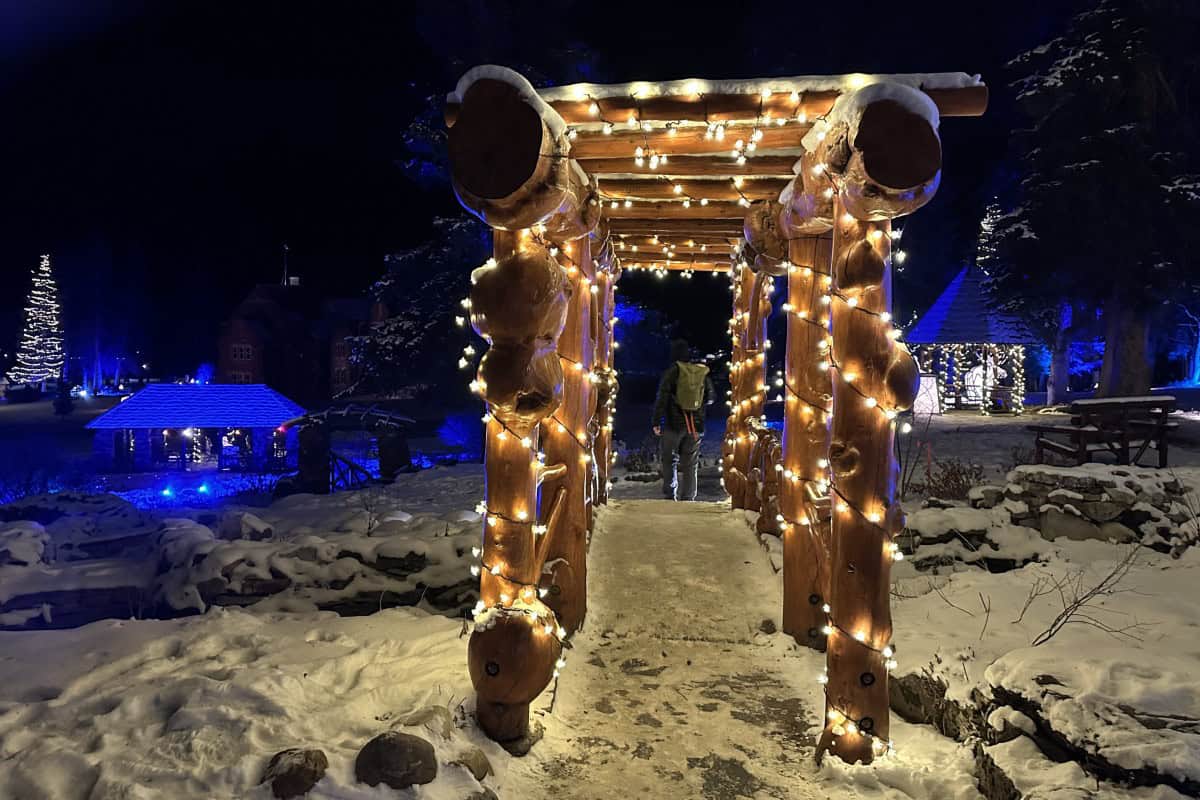
Banff in January strips winter back to its essentials. Fewer crowds, reliable snow, dramatic scenery, and a quieter pace make it feel more authentic than the holiday season.
This is the month for skiing without chaos, winter walks without crowds, and evenings that end early because the cold made the decision for you. Plan smart, dress well, and lean into the season, and January delivers a version of Banff that feels calm, capable, and quietly impressive.
FAQs: Banff In January
Is Banff worth visiting in January?
Yes, if you are prepared for winter. Banff in January offers reliable snow, fewer crowds than December, and excellent conditions for skiing, snowshoeing, and winter sightseeing. It is quieter, colder, and more relaxed than the holiday period, which many visitors prefer.
How cold does Banff get in January?
January is typically the coldest month of the year in Banff. Daytime temperatures often range between -10°C and -15°C, with colder snaps dropping well below -20°C. Wind chill can make it feel significantly colder, especially in open areas and at higher elevations.
Can you drive to Lake Louise in January?
Yes, Lake Louise is accessible in January, but winter driving conditions should be expected. Parking can still fill up, even in winter, so shuttles and Roam Transit are often easier options. Proper winter tyres are essential, and checking road conditions before you go is strongly recommended.
Are attractions and tours still open in January?
Many of Banff’s top winter attractions operate in January, including the Banff Gondola, ski resorts, Johnston Canyon ice walks, and winter tours. Some locations, such as Moraine Lake, are closed for the season, and hours may be reduced, so it’s best to check ahead.
What should I pack for Banff in January?
Packing for Banff in January should focus on warmth and layering. Thermal base layers, a good parka, insulated waterproof boots, gloves or mitts, a toque, and face protection are essential. Traction cleats, hand warmers, sunglasses, and an insulated water bottle are also very useful.


