
Banff Gondola In Winter: A Complete Guide To The Summit Experience
Eight minutes up Sulphur Mountain in an unheated cabin, a maintained boardwalk to Sanson's Peak, and a summit building warm enough to thaw your eyelashes. What's open in winter, what to wear, the myths worth clearing up, and when to go for the light.

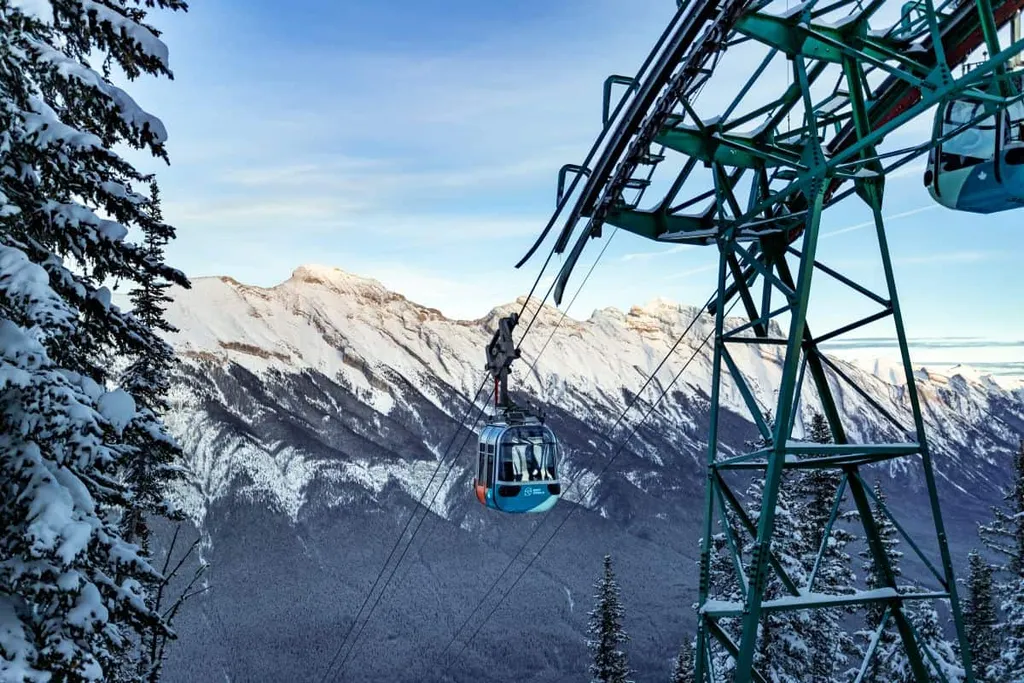
Winter in Banff has a way of reminding you who's in charge. The mountains grow sharp edges, the air develops that unmistakable alpine bite, and even locals start questioning whether they remembered their gloves.
It's also the season when the Banff Gondola in winter really shines. The snow softens the valleys, the views stretch for miles, and the summit feels like its own little world in the clouds.
If you're thinking about heading up Sulphur Mountain in winter, here's the kind of advice locals actually give each other - practical, honest, and only occasionally sarcastic.
Getting Your Tickets
If you're planning a winter visit, it's worth sorting out your tickets before you get to the base. Winter days can be busy, especially around weekends and holidays, and having tickets in hand means you can stroll straight in without that last-minute scramble at the kiosks.
Buying ahead also lets you choose your preferred time slot, which is handy if you're aiming for sunrise, sunset, or an evening experience.
Getting to the Banff Gondola in Winter
The Journey to the Base
The gondola sits on the slopes of Sulphur Mountain, just outside town. Parking is available at the base, and winter access is reliable. Roads stay ploughed, though the occasional snow squall may slow things down. If you're visiting on a weekend or holiday, arriving early helps avoid the midday shuffle of cars all trying to fit into the same row.
No vehicle? The town's Roam Transit is fast, regular, and efficient
A Quick Note About Vehicles
A surprising number of people arrive at the gondola asking where the road to the top begins. It doesn't. You cannot drive to the summit, even if your vehicle has more traction settings than you have jackets.
What You Can Actually Do at the Summit Of The Banff Gondola in Winter
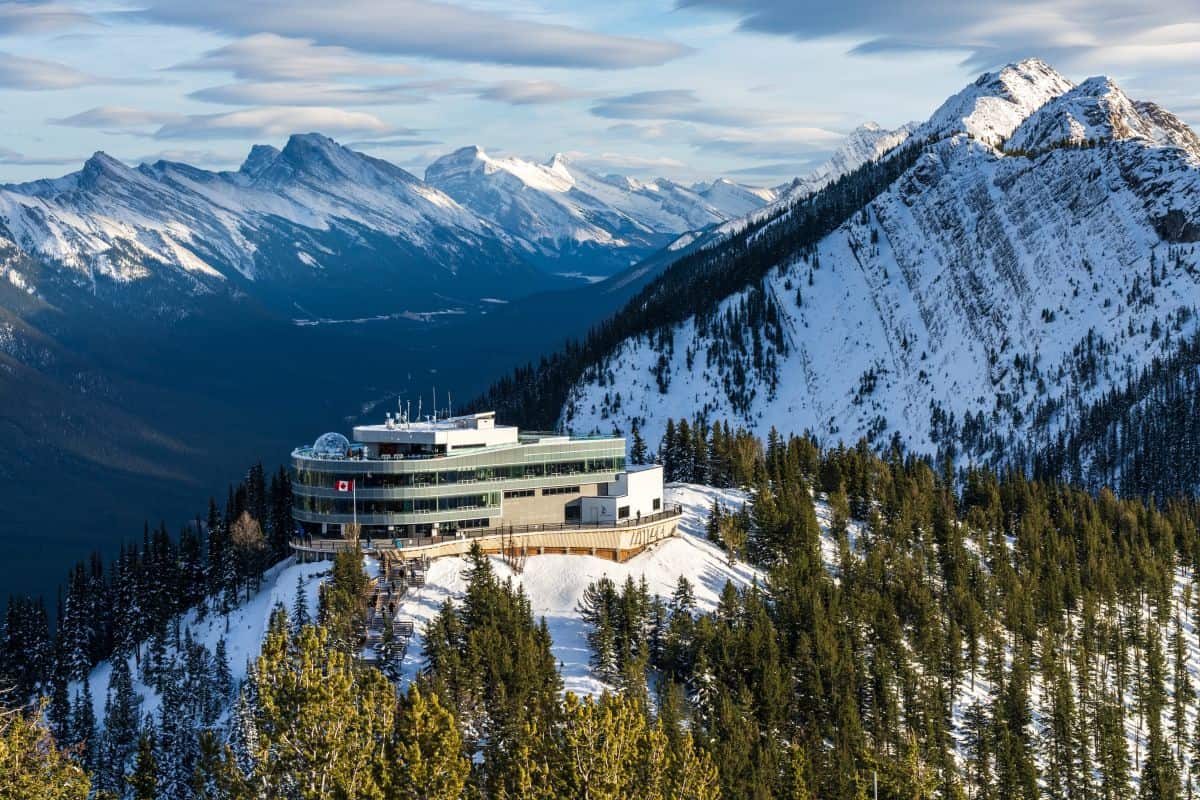
Warm Up Indoors
The summit building is a welcome bit of civilisation perched above the Bow Valley. Big windows, warm air, and plenty of spots to sit back and let your eyelashes thaw.
Exhibits trace the mountain's scientific past, and you'll learn that long before visitors came for the views, researchers came to measure cosmic rays. As hobbies go, that one certainly beats shovelling the driveway.
Explore the Boardwalk to Sanson Peak
Even in winter, the boardwalk stays open and maintained. It feels a bit like a mountaintop stroll with training wheels: dramatic views on both sides, a wooden walkway underfoot, and crisp winter air urging you forward.
It leads to the restored summit station, a nod to the days when scientists stood in this very spot collecting data that didn't involve smartphone apps. On clear days, the ridge views make the short walk worth every chilly step.
Enjoy Winter Events
After the sun goes down, the summit transforms into Nightrise. It's an immersive evening experience that blends lights, sound, and storytelling shaped by Indigenous culture. And it’s back for one final season. This is your last chance to see the mountain literally glowing with lights, stories, and a bit of moon-inspired mischief.
Capture Winter Photos
Winter light is a gift. The cold air sharpens everything, the valleys glow with snow, and clouds skim across the peaks like they're auditioning for a weather documentary. You can take photos from the outdoor platforms or stay inside and shoot through the glass if the wind starts getting personal.
The Gondola Ride in Winter
The Eight-Minute Ascent
The ride itself is smooth, scenic, and surprisingly peaceful. The cabins are enclosed but not heated, which means you'll feel the mountain temperature without having to battle the wind. Dressed well, it’s a lovely way to take in the views. Under-prepared, it quickly becomes eight minutes of quietly questioning your winter wardrobe choices.
The Sounds of the Season
Winter brings a different feel to the ride. The steady hum of the cabin and the soft rush of wind against the glass remind you that you’re climbing into true mountain weather. It’s a calm, atmospheric moment that sets the tone for the summit ahead.
What to Wear (The Honest Version)
Dress Like You'll Be Outside for More Than Five Minutes
Here's the thing: the summit is colder, windier, and less forgiving than Banff Avenue. Wear layers. Real ones. The kind you'd use if you were actually planning to walk outside in winter rather than popping between coffee shops.
Boots with tread are helpful for icy patches. A toque and gloves are essential. And if you tend to run cold, this is a day for warm socks, not the stylish but questionable pair you packed "just in case".
Should You Bring Ice Cleats?
If you own them, bring them; if you don't, don't panic. The boardwalk is maintained, but some sections can be slick. Cleats add bonus stability and reduce the odds of an unexpected winter dance routine.
Camera Care
Cold eats batteries. Keep your phone or camera warm between shots. You'll thank yourself later.
Safety at the Summit
Stick to the Paths
Snow can hide edges, rocks, and the occasional ankle-twisting hazard. Staying on the boardwalk keeps you safe and also protects the fragile alpine environment.
Wildlife Etiquette
Most large animals prefer warmer elevations in winter, but you might spot birds or smaller mammals. Enjoy the sighting, keep your distance, and please don't feed them. They have better diets than any of us.
Weather Moves Fast
Clear one moment, cloud-wrapped the next. If conditions shift, step inside for a warm break and let the weather settle. The mountain isn't going anywhere.
Clearing Up a Few Persistent Myths
Myth 1: The Cabins Are Heated
They are not.
Myth 2: The Ride Down Is Free
Also no. If you hike up, you'll need a return ticket.
Myth 3: Everything Up There Is Accessible
The indoor building is. The entire boardwalk system is not, especially in winter.
Myth 4: You Can Drive to the Summit
Hard no.
When to Visit
Morning
Quieter, clearer, and great for photography. If you're an early riser, winter mornings at the summit are beautiful.
Afternoon
Ideal for exploring the boardwalk while the valley glows in afternoon light.
Evening
If Nightrise is running, this is the most atmospheric time to visit. Watching the light change on the peaks before the summit transforms into its evening programming is a highlight of the season.
So, Is the Banff Gondola Worth It in Winter?
Absolutely. Winter brings out the best of the Banff Gondola experience. You get sweeping views, quiet mountaintop moments, warm indoor spaces, and the kind of cultural programming that adds meaning to the scenery. Dress warmly, take your time, and let the mountains show off a little. They're good at it.
FAQs: The Banff Gondola In Winter
Is the Banff Gondola open in winter?
Yes, it runs year-round and includes winter programming.
Are the gondola cabins heated?
No, the cabins are not heated.
What can I do at the summit in winter?
Indoor viewing, exhibits, the boardwalk to Sanson Peak, winter photos, and evening experiences like Nightrise.
Can I drive to the top?
No, the summit is accessible only by gondola.
Is the summit accessible?
The main building is accessible, but the boardwalk and some outdoor areas are not fully accessible, especially in winter.
Is the ride down free?
No, if you hike up, you'll need a return ticket.
Is the boardwalk open in winter?
Yes, but expect snowy or icy conditions.


