Banff Weather by Month: What to Pack and Things to Do
Choose your Banff season with monthly temperatures, rain and snow explained, things to do and practical packing advice, from summer lakes to winter walks.

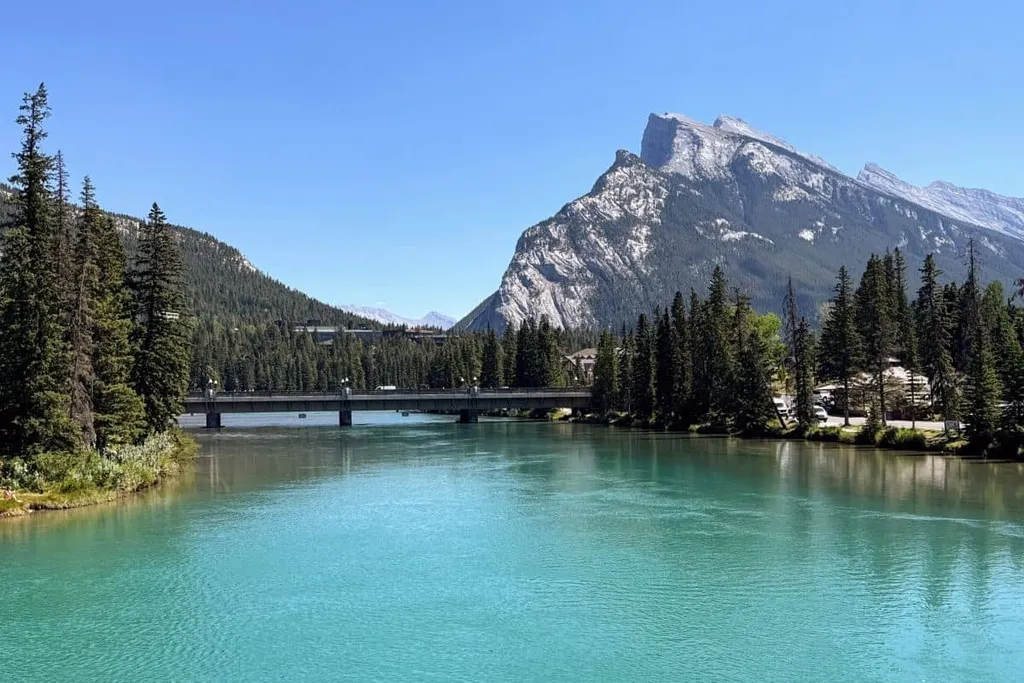
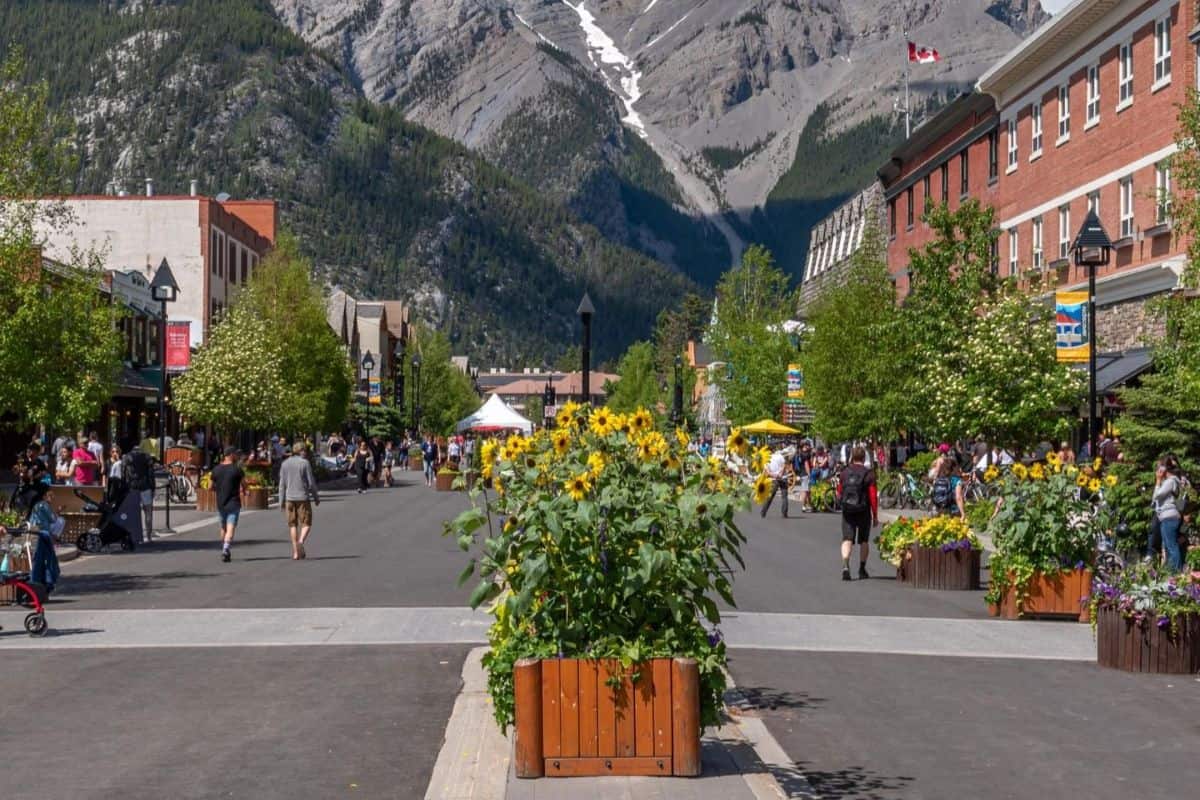
A summer evening beside the Bow River and a winter walk past Johnston Canyon's frozen waterfalls feel like two different holidays. Both belong to Banff. Choosing when to visit is largely a matter of deciding which one you want.
For turquoise lakes and the widest choice of hikes, July and August are the easiest months to plan around. January to March suit skiing and snowy days out. Between them come spring skiing, the return of lake season and September's golden larches, each with its own reasons to make the trip.
This month-by-month guide explains how the weather shapes a visit, with temperatures, seasonal activities and packing advice.
Banff weather at a glance
These are rounded Banff townsite averages, based on Parks Canada's weather figures. Highs describe a typical afternoon; lows describe the night. Lake Louise and mountain viewpoints are generally colder.
| Month | Average high | Average low | Daylight |
|---|---|---|---|
| January | -5°C / 23°F | -15°C / 5°F | 8 hours |
| February | 0°C / 32°F | -11°C / 12°F | 10 hours |
| March | 4°C / 39°F | -8°C / 18°F | 12 hours |
| April | 9°C / 48°F | -3°C / 27°F | 14 hours |
| May | 14°C / 57°F | 2°C / 36°F | 15.5 hours |
| June | 19°C / 66°F | 5°C / 41°F | 16.5 hours |
| July | 22°C / 72°F | 7°C / 45°F | 16 hours |
| August | 22°C / 72°F | 7°C / 45°F | 14.5 hours |
| September | 16°C / 61°F | 3°C / 37°F | 12.7 hours |
| October | 10°C / 50°F | -1°C / 30°F | 10.7 hours |
| November | 1°C / 34°F | -8°C / 18°F | 9 hours |
| December | -5°C / 23°F | -14°C / 7°F | 7.8 hours |
Daylight varies through each month. For your travel dates, use the forecasts for Banff, Canmore or Jasper.
Rain, snow and the difference elevation makes
June has the highest average rainfall in Banff townsite, about 58 mm, with July and August each around 51 mm. That doesn't mean a summer holiday is a washout: rain can fall in showers or longer spells, and a monthly total doesn't tell you how many afternoons will be sunny. A waterproof jacket gives you more freedom to enjoy the day.
Snow is part of the picture well beyond Christmas. Banff's published averages include about 26 cm of new snow in April and 17 cm in May, though spring snow can melt quickly in town. These figures measure snowfall over a month, not the depth lying on the ground.
Elevation matters as much as the date. The Bow River paths can be clear while higher trails are still buried, and Lake Louise receives considerably more winter snow than Banff. For mountain walks, the Parks Canada trail reports give the conditions that a town forecast can't.
Late-2026 access note: Johnston Canyon is closed for construction from 13 October to 11 December 2026. The official closure notice covers reopening updates; our Rockies travel alerts collect other changes affecting visits.
January: snow-covered Banff
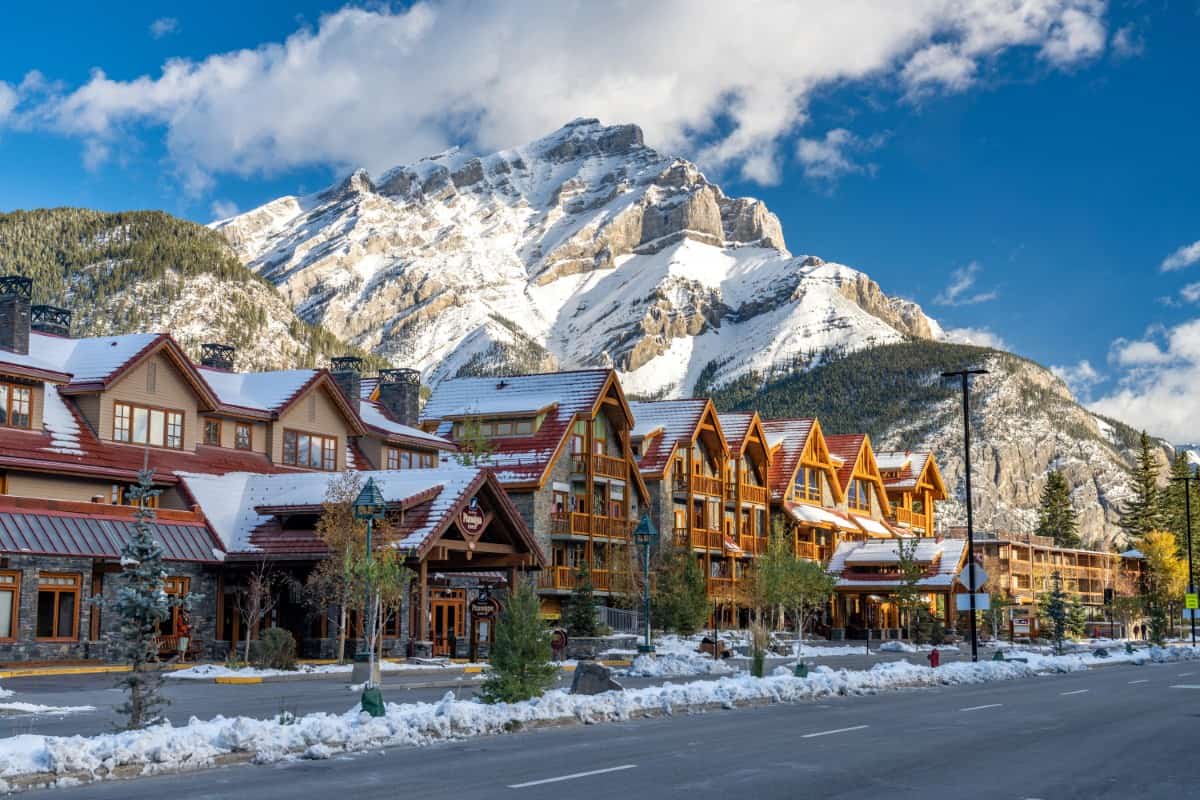
Snow on the roofs, steam rising from a hot drink and mountains above the town: January delivers the winter version of Banff that many visitors come to see. It's also the coldest month on average, with occasional cold snaps far below the figures in the table. Warm boots and an insulated coat make the difference between enjoying a walk and cutting it short.
With about eight hours of daylight, there's time for a ski day or a guided outing, then dinner back in town. Non-skiers have plenty to choose from: Johnston Canyon's frozen waterfalls, snowshoeing at Sunshine and sleigh rides through snowy meadows. For skating, Banff's maintained outdoor rinks publish opening updates; natural lakes require a separate assessment of ice conditions.
🧊 For frozen waterfalls - Johnston Canyon Icewalk
❄️ For mountain scenery on snowshoes - Sunshine Snowshoeing Tour
🐴 For a gentler winter outing - Banff Sleigh Ride
February: winter with room for a longer day
By February, the extra daylight is noticeable. You can linger over the views at Lake Louise or spend longer outside without everything feeling squeezed between breakfast and sunset.
It's still a winter trip, despite the town's average afternoon temperature edging towards freezing. Snowy lake shores and ski slopes are the draw; a tour combining Lake Louise and Johnston Canyon suits visitors who'd like transport and winter equipment arranged for them.
An afternoon at the Fairmont Banff Springs provides a different kind of outing. Its food tour combines five food and drink pairings with the hotel's history, for ages 14 and over.
🏔️ For Lake Louise in winter - Winter Wonderland Day Tour
🧊 For a guided canyon walk - Johnston Canyon Icewalk
🍽️ For food and castle stories - Fairmont Banff Springs Food Tour
March: longer afternoons on the snow
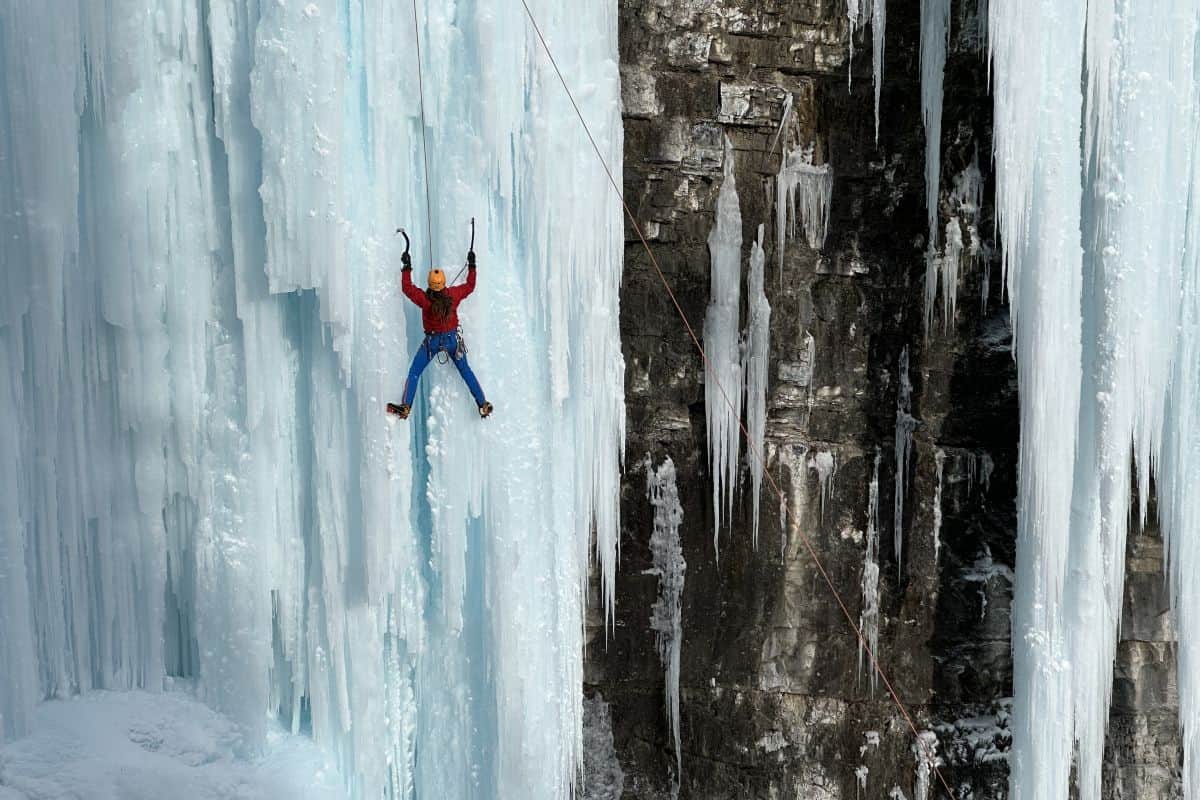
March is a strong choice if you want winter activities with more daylight. The resorts remain snowy, while afternoons in town can feel mild enough to undo a zip or shed a layer. Overnight freezing means a thawed path can be icy again the next morning.
There's a good balance between active days and sightseeing. Snowshoeing at Sunshine takes you into the high country, while the Banff Gondola gives you broad views over the valley without a summit hike. The ice-climbing experience below includes instruction and technical equipment for beginners; participants arrange their own transport to the meeting and climbing locations.
❄️ For snowy alpine scenery - Sunshine Snowshoeing Tour
🧗 For trying something new - Beginner Ice-Climbing Experience
🚠 For views without a summit hike - Banff Gondola Admission
April: ski above town, stroll beside the river
April can give you two seasons in a day. Down in Banff, the Bow River paths start to invite a leisurely walk. Higher up, there's still a ski holiday underway.
Lake Louise usually operates into early May, and Banff Sunshine into late May. Snow-covered peaks remain part of the view even when the town feels springlike. High hiking routes are still in winter conditions, so this month suits skiing, valley sightseeing and shorter walks.
Expect some wet or slushy ground and pack waterproof footwear. Johnston Canyon ice walks can continue into April while the ice lasts; wildlife sightseeing and the Banff Springs food tour give you alternatives as the thaw progresses.
🦌 For wildlife and Banff landmarks - Small-Group Wildlife Tour
🧊 For the last of the canyon ice - Johnston Canyon Icewalk
🍽️ For an afternoon indoors - Fairmont Banff Springs Food Tour
May: green valleys and the start of lake season
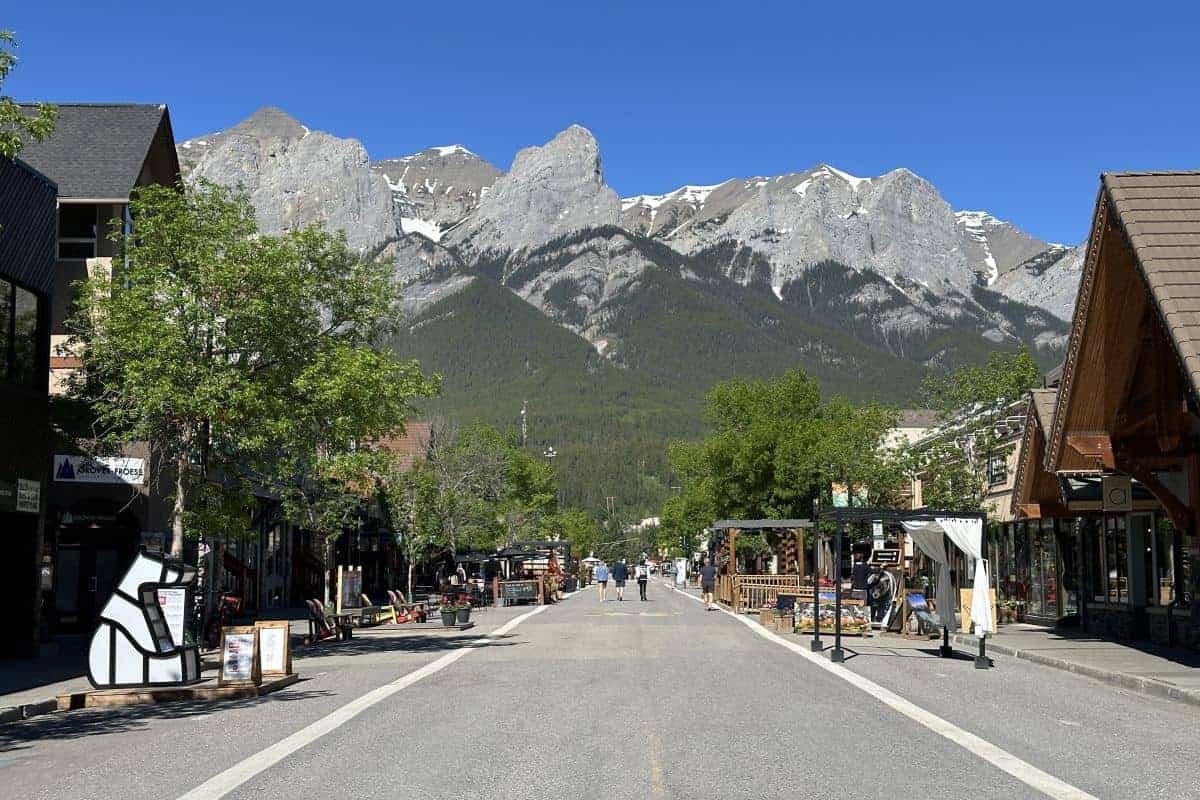
May brings longer evenings and fresh colour along the Bow River. It's a good month for spending time around Banff and Canmore, mixing lower walks with viewpoints and wildlife sightseeing.
Tunnel Mountain is a useful short-summit option as its snow clears. Lake Minnewanka cruises normally start during May, adding a chance to see the mountains from the water. Bears are becoming active too; our bear safety guide covers what to carry and how to give wildlife space.
Lake Louise can still have ice, and Moraine Lake's normal vehicle-access season begins in June. If those open-water lake views are the main reason for your trip, choose a later month. For spring in the valleys, May has plenty to offer.
🚤 For a first taste of lake season - Lake Minnewanka Cruise
🦌 For spring wildlife watching - Small-Group Wildlife Tour
🚠 For mountain views above town - Banff Gondola Admission
June: long evenings and returning lake colour
June's long days give a trip a more relaxed pace. There's time for a lake visit, lunch somewhere pleasant and an evening walk without feeling you've used up the day.
This is when the familiar summer lake scenery returns, although the timing of the thaw varies. Moraine Lake's access season normally starts in June; shuttles and tours carry most visitors because general private-car access is closed. Our Moraine Lake guide explains the transport choices.
Rain is more likely to feature in your plans than in winter, and high trails can still hold substantial snow. Lake shores, lower walks and the Johnston Canyon e-bike and hike make a useful mix.
The budget shuttle below allows around 80 minutes at each lake, enough for sightseeing and a short walk. Its discounted option lists a mandatory C$10 per-person driver tip; longer hikes need a different transport timetable.
🏞️ For seeing both famous lakes - Lake Louise and Moraine Lake Shuttle
🚤 For scenery from the water - Lake Minnewanka Cruise
🚲 For a ride and a waterfall walk - Johnston Canyon E-Bike and Hike
July: the widest choice of summer days out
July brings Banff's warmest average afternoons and a full range of summer activities. You can spend one day above the tree line and the next beside a lake, with a long evening left for Banff or Canmore.
The main hiking season runs from July to mid-September, with many alpine routes clearing around mid-July. The Plain of Six Glaciers route map is useful for planning a Lake Louise hike once conditions suit. Early starts give you more time on the trail and help with the busiest lake areas.
For something different, the Johnston Canyon outing combines e-biking with a walk to the Lower Falls; it suits riders aged 16 and over who meet the 155 cm minimum height. Rafting on the Kananaskis River adds a livelier day on the water. Leave a rain shell and warm layer in your bag even when you set off in a T-shirt.
🚠 For a big view with an easy ascent - Banff Gondola Admission
🚲 For active sightseeing - Johnston Canyon E-Bike and Hike
🌊 For a lively day on the water - Kananaskis River Rafting
August: alpine walks and lake days
August is nearly as warm as July, and it's a good month to make the higher country part of your trip. Sunshine's summer gondola and Standish chairlift take you towards alpine lakes, open meadows and views that feel a long way from Banff Avenue.
The evenings gradually shorten and mornings can be cool, especially at Lake Louise. By afternoon, a lakeshore picnic or river outing may be much more appealing than the jacket you wore at breakfast.
Our Banff in August guide covers more of the planning. For the rafting trip below, allow for your own journey to the operator's Kananaskis meeting point; transport from Banff isn't included.
🌼 For alpine lakes and meadow walks - Sunshine Sightseeing Gondola
🏞️ For Lake Louise and Moraine Lake - Return Lake Shuttle
🌊 For a summer river adventure - Kananaskis River Rafting
September: golden trees and cooler air
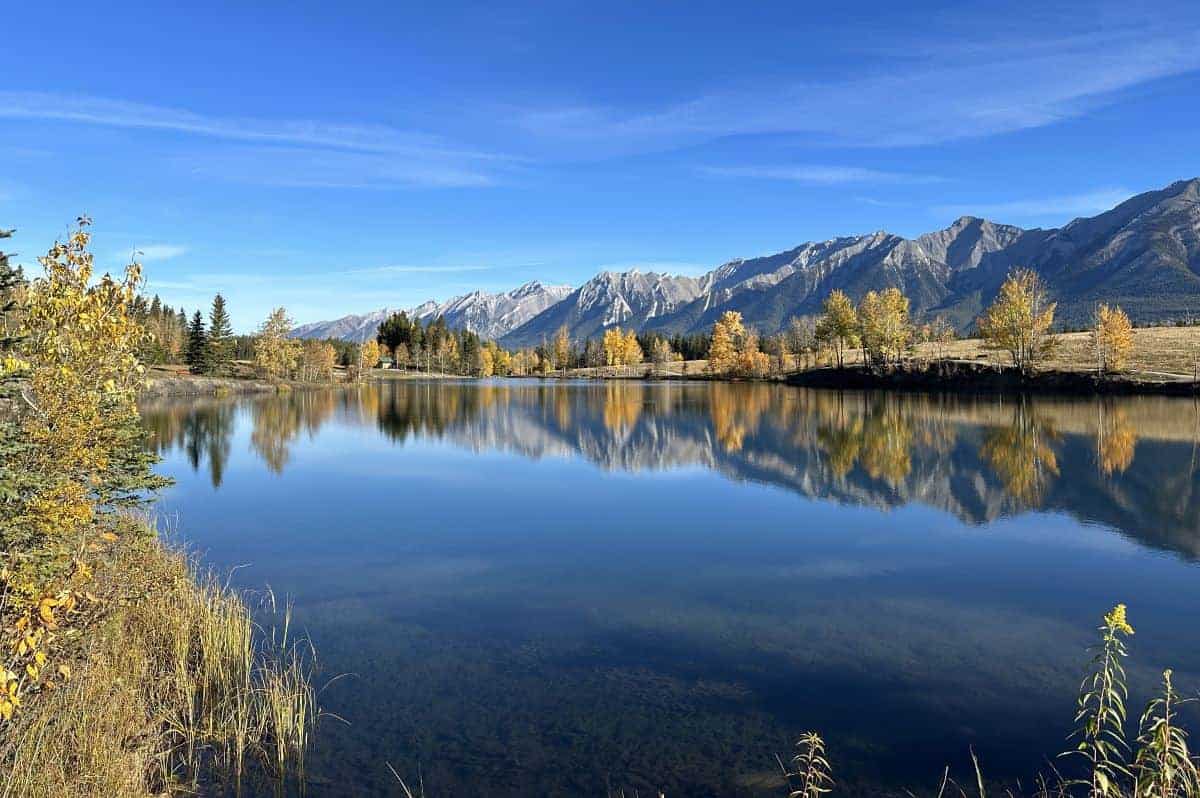
September brings colour at several heights. Aspens brighten the valleys and the shores of Canmore's Quarry Lake, while the larches higher in the mountains usually turn gold around mid to late September.
That makes it a particularly appealing month for walking, with a wider range of temperatures to dress for. A sunny afternoon can feel comfortably warm, followed by a cold evening or fresh snow on the peaks.
Popular larch routes and Lake Louise remain busy, especially at weekends. Early September also keeps some summer options open, including Sunshine sightseeing before its season ends during the month. Our September guide goes into more detail on autumn walks and timing.
🌼 For early-September alpine views - Sunshine Sightseeing Gondola
🚤 For autumn scenery from the lake - Lake Minnewanka Cruise
🦌 For wildlife and valley scenery - Small-Group Wildlife Tour
October: autumn walks and quieter evenings
The first part of October can still offer autumn colour and pleasant afternoons around the valley. Later in the month, snow becomes a more regular possibility and the days feel noticeably shorter.
Summer lake transport and cruises wind down, often around mid-month. Banff itself still makes an enjoyable base for river walks, the gondola and an evening ghost tour. Our Bow Valley Parkway video gives you a look at another scenic outing.
If you'd like a full day with the driving arranged, the lakes, gondola and hot springs tour combines several stops. Attraction admission costs extra, and Lake Louise replaces the hot springs stop when the pools are closed. A warm coat and waterproof shoes suit October better than a summer packing list.
👻 For stories after dark - Banff Ghost Walking Tour
🚠 For mountain views above Banff - Banff Gondola Admission
🦌 For wildlife and local landmarks - Small-Group Wildlife Tour
November: the first ski days
November brings the return of ski gear to town and the first days of the new resort season. Openings can begin early in the month, with more terrain becoming available as snow builds.
For non-skiers, it suits a gentler visit: a guided nature walk, sightseeing around the valley and time for Banff's restaurants. Wildlife tours still look for animals such as elk, deer and bighorn sheep, even as bear-viewing season winds down.
Snow cover varies early in the month, so guided walks use traction when conditions call for it. Bring winter boots and an insulated jacket. The town's average overnight temperature is already around -8°C.
🌲 For a gentle guided walk - Banff Winter Nature Walk
🦌 For wildlife beyond bear season - Small-Group Wildlife Tour
🍽️ For warmth, food and history - Fairmont Banff Springs Food Tour
December: Christmas lights and snowy outings
December's short days leave plenty of room for Banff's Christmas lights. A ski day or a snowy walk can lead quite naturally into an early dinner, with no need to apologise for being hungry at 5 pm.
Sleigh rides normally run from December to March when snow conditions allow. The Banff Christmas Market runs Thursday to Sunday from 19 November to 13 December in 2026, so it fits an early-December visit rather than Christmas week.
Our December guide has more seasonal ideas. For outdoor outings, plan around daylight and dress for standing still as well as walking: a warm coat, insulated boots, hat and mitts will get plenty of use.
🐴 For snowy meadows and a slower pace - Banff Sleigh Ride
🚠 For winter views above town - Banff Gondola Admission
🌲 For fresh air with a local guide - Banff Winter Nature Walk
What to pack for Banff
November to March: thermal base layers, a fleece or wool mid-layer, an insulated coat, warm waterproof boots, a hat and gloves or mitts. Sunglasses and sunscreen are useful on bright snow days. Traction makes icy walking paths easier; guided ice walks generally provide it.
April, May and October: waterproof footwear, a rainproof outer layer and enough warmth for a freezing morning. Layers are especially useful when the valley and mountains are in different seasons.
June to September: summer clothes plus a fleece or light insulated jacket and a rain shell. Add walking footwear, sun protection and warmer layers for high trails or September starts. A small daypack lets you carry what you aren't wearing.
What about wildfire smoke?
Wildfire smoke can affect summer views and air quality, including when fires are hundreds of kilometres away. It varies with fire activity and wind, so a monthly temperature chart can't tell you whether your particular week will be affected.
The Town of Banff's wildfire information explains local conditions and smoke sources. Alberta's live air-quality map provides readings and advice for planning outdoor activity. This is something to assess close to your trip, rather than a reason to rule out a whole season.
Which month would we choose?
For a first visit built around lakes and mountain walks, we'd choose July or August. September is appealing if autumn colour matters more than warm evenings, and March is a good fit for winter activities with longer days.
Spring and late autumn suit a different rhythm: valley walks, scenic outings and more time in Banff and Canmore. Choose the season for the days you want to have. The same view of Mount Rundle can be a reason to return in another month.
FAQs about Banff weather
What is the best month to visit Banff?
July and August offer the broadest choice for a first trip focused on lakes and hiking. September suits autumn colour, while January to March is a strong choice for skiing and snowy scenery. Choose around the activities you most want to do.
What is the warmest month in Banff?
July is the warmest month in Parks Canada's published averages, with a daytime high around 22°C (72°F). August is close behind. Even in summer, evenings and early mornings can be cool enough for a warm layer.
Does it snow in Banff in summer?
Snow is possible in the mountains in any month. Around Banff town, July and August are usually warm, while higher routes may retain winter snow into July. Current trail reports help you choose a route suited to the snow conditions.
When are Lake Louise and Moraine Lake turquoise?
For the familiar open-water views, plan for June to September, with July and August the simplest choice. Thaw timing varies, and ice can linger in late spring. Moraine Lake also has seasonal access, so arrange a shuttle or tour for your dates.
Is Lake Louise colder than Banff?
Generally, yes. Lake Louise and the surrounding high country are colder than Banff townsite. Use the forecast for where you are going, and take extra layers for lake shores, gondola summits and mountain walks.
Can you ski in Banff in April and May?
Yes. April is normally still part of the ski season. Lake Louise usually operates into early May and Banff Sunshine into late May, depending on conditions and each resort's schedule. Check the resort reports before booking.