
Banff in September: Fall Colours, Fewer Crowds, and Mountain Magic
Turquoise lakes without the July queues, the elk rut in full voice, and the first larches turning at the end of the month. Thirteen and a half hours of daylight at the start, under twelve by the end. Weather, packing, transit and what's still running.
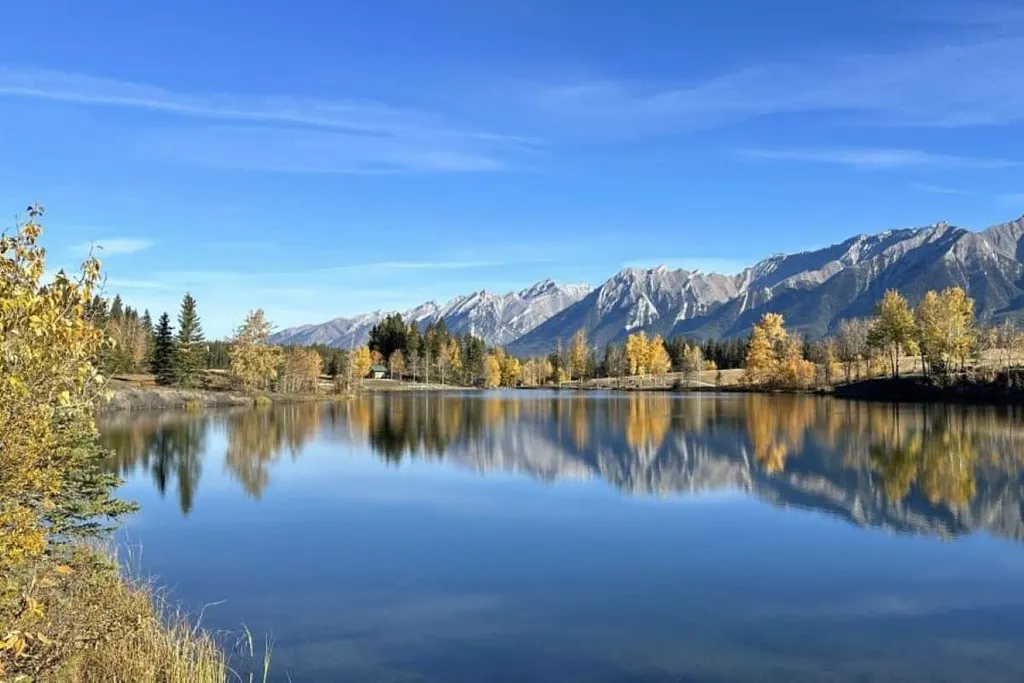
Banff in September feels like a deep breath after the busy summer months. The lakes are still that classic turquoise, but the trails and streets are noticeably quieter. Mornings are cooler, afternoons are still warm, and every now and then you’ll catch the first pops of yellow in the trees.
It’s a sweet spot for visitors - enough summer weather to enjoy, fewer crowds to compete with, and a touch of autumn starting to show. We’ll walk you through how to make the most of it, from the best times to hit the trails to where to see those early fall colours without elbowing your way through a crowd.
🚌 For Independent Explorers - Hop-On Hop-Off Day Pass - Banff to Lake Louise. See Lake Louise, Moraine Lake, Johnston Canyon, and more at your own pace. With lighter September crowds, you'll have more space - and better photo ops. Find out more
🍁 For Fall Colour Chasers - Larch Valley & Sentinel Pass Hike (From Moraine Lake). Witness the alpine larches at their golden peak in mid-to-late September. One of the most spectacular hikes in Banff, offering breathtaking views and crisp autumn air. Arrive early or take a shuttle to beat the crowds.
🏔 For Panoramic Views - Sunshine Meadows. Ride the gondola and chairlift to sweeping high-alpine trails surrounded by golden larches and mountain vistas. A must-do for photographers and hikers alike in September. Book The Gondola
Weather, Daylight & What to Pack for September
The Shift to Fall: Cooler Days, Crisp Nights, and Golden Light
September in Banff brings a clear change in the air. Days are still comfortable for hiking and exploring, but mornings and evenings are noticeably cooler, and autumn colours start to creep into the valleys and hillsides.
Temperature: Daytime highs usually sit between 14-18°C early in the month, dropping closer to 10-14°C by the end. In the sun, it can still feel pleasantly warm, but the temperature drops quickly once it sets. Overnight lows can dip close to freezing, especially later in the month.
Daylight Hours: The long summer days are behind us. You'll lose about two more hours of daylight over the course of the month, so plan to start activities earlier if you want to make the most of the light.
- September 1: Sunrise is around 6:56 a.m., sunset at 8:26 p.m. - about 13 hours and 30 minutes of daylight.
- September 30: Sunrise is around 7:36 a.m., sunset at 7:19 p.m. - about 11 hours and 43 minutes of daylight.
Precipitation: Rain is still possible, but September also marks the start of occasional early snow flurries in the higher elevations. A good waterproof jacket and warm layers are a must.
The Essential September Packing List: Layers Are Still King
The core philosophy for packing for Banff in any season is layering, and September is no exception. Weather can swing from warm and sunny to chilly and windy in a matter of hours, especially later in the month, so being able to add or remove layers is key to staying comfortable.
Daytime: Bring breathable T-shirts, quick-drying hiking pants, and a light long-sleeve layer for cooler starts. Shorts can still be useful early in the month, but you'll want warmer options by the end. Merino wool shirts are ideal - they regulate temperature, dry quickly, and resist odour, making them great for multi-day use.
Evenings & Mornings: A fleece jacket, a lightweight insulated puffy, and long pants are must-haves for the cooler parts of the day. Later in September, consider a warmer hat and gloves, especially if you're heading into higher elevations.
Rain & Snow Gear: A lightweight, packable, and fully waterproof/windproof jacket is non-negotiable. In higher elevations, early snow is possible, so waterproof pants can also be useful.
Footwear: Waterproof hiking boots with ankle support are best for tackling varied terrain. A pair of comfortable casual shoes is great for exploring town.
Essentials: Sunscreen, sunglasses, and a hat are still important - UV is strong at altitude even in cooler weather. A reusable water bottle is a must for staying hydrated. Bug spray can be helpful early in the month, though mosquitoes are less of a concern.
Wildlife Safety: Always carry bear spray when hiking and know how to use it. It's available for rent or purchase in Banff and Canmore. September is a busy time for wildlife as they prepare for winter, so extra awareness on the trail is important.
Getting Around: Navigating Shoulder Season in Banff National Park
The Reality of Banff in September: Fewer Crowds, But Still Busy in Spots
September is noticeably quieter than July and August, but it's far from empty. Early in the month, the park still sees plenty of visitors - especially international travellers and those chasing the famous larch season - so the most popular trails and viewpoints can still feel busy during peak hours.
Labour Day Weekend: The first Monday in September is a statutory holiday in Canada, which makes the preceding weekend one of the busiest of the month. Expect higher accommodation demand and more traffic at popular spots.
Demographic Shift: Families with school-aged kids taper off after Labour Day, replaced by couples, retirees, and travellers from overseas. Crowds thin further toward the end of the month, though larch hotspots like Sentinel Pass and Larch Valley still see plenty of hikers on sunny weekends.
The Transit & Shuttle Solution: Your Key to the Lakes
For visiting Lake Louise and Moraine Lake, using public transit or a shuttle service is not just recommended - it's essential. Moraine Lake Road is closed to all personal vehicles year-round, and the parking lot at Lake Louise still fills up well before sunrise, even in September. Planning your transportation in advance is the first step to a stress-free visit.
Parks Canada operates a reservation-based shuttle system with a two-part release schedule: 40% of seats for the season are released in April, and the remaining 60% are released on a rolling basis at 8 a.m. MDT, exactly 48 hours before the departure day.
Roam Public Transit: Your Lifeline in the Bow Valley
Roam Transit is the most efficient way to explore the Bow Valley, connecting Banff, Canmore, and major attractions without the stress of parking. The fleet is expanding with new electric and hybrid buses to improve service frequency. For maximum flexibility, Roam offers one day of unlimited travel on all routes, including the popular Lake Louise Express.
The Golden Rule for September: The Early Bird or the Night Owl
To enjoy Banff's most popular spots without the biggest crowds, plan your visit outside peak hours, which are usually from 10 a.m. to 3 p.m. in September. Start your day before 9 a.m., or head out later in the afternoon after 4 p.m., when things start to quiet down.
This timing works perfectly with the shuttle system - the earliest departures give you peaceful moments in the mountains, while the last returns let you soak in that warm golden-hour light as the day winds down.
Best September Activities (and How to Do Them Right)
Lake Louise & Moraine Lake
In September, visiting these iconic lakes still starts with securing your shuttle reservation - especially if you're planning to visit during larch season, when the crowds return in force. Once your transport is booked, plan your hikes around it.
At Lake Louise, the Plain of Six Glaciers Teahouse trail offers incredible glacier views, while the Lake Agnes Teahouse and the Beehives provide a shorter but equally rewarding climb.
From Moraine Lake, the Larch Valley/Sentinel Pass trail is a bucket-list hike in mid-to-late September when the larch trees turn golden. Even walking just 15 minutes from the shoreline will take you away from most of the bus drop-off crowds.
How to Get to Lake Louise in 2025 (Without a Helicopter or a Panic Attack)
How to Get To Moraine Lake (Without Losing Your Mind)
Lake Minnewanka Cruise
This one-hour boat tour is a relaxing way to experience Banff's largest lake, framed by mountains and rich in history. September's cooler air makes it especially refreshing. Booking online is still recommended to secure your spot, and the cruise is accessible without a car via Roam Transit's Route 6 - pre-booked ticket holders ride the bus for free.
Banff Gondola (Sulphur Mountain): Early Fall Views
While the Sunset Festival usually wraps up in early September, riding the gondola late in the afternoon is still a fantastic experience. You'll get sweeping views over the Bow Valley, warm golden light for photos, and cooler, quieter evenings at the summit. Book Here.
Sunshine Meadows Hiking: Larch Season Arrives
By mid-to-late September, Sunshine Meadows transforms into one of the most spectacular larch viewing spots in the Rockies. The alpine meadows glow gold, and crisp air adds to the magic. Access is via a gondola and chairlift, with guided hikes available for those wanting to dive deeper into the unique ecosystem. Learn More.
Johnston Canyon Hike
Cooler September days make Johnston Canyon especially pleasant. The same timing rule applies: go early (before 8 a.m.) or later in the evening (after 5 p.m.) to avoid peak crowds. For a quieter and longer trek, continue past the upper falls to the Ink Pots, where golden grasses and autumn colours add to the serene setting.
Why You Need to Hike Johnston Canyon
Paddle, Pedal & Ride
September is still a great month to get active on the water, trails, and in the saddle, though cooler mornings and changing weather mean early starts feel a little different than in midsummer.
Canoeing & SUP
Early mornings offer the calmest conditions for paddling on Vermilion Lakes, Lake Louise, or Moraine Lake. You’ll often get glassy reflections, crisp air, and fewer people on the water. Learn More
Biking
The paved Legacy Trail between Banff and Canmore is a favourite for road cyclists and e-bikes well into the fall. The scenic loop around Lake Minnewanka is also a great option, with golden leaves starting to frame the ride in late September.
Horseback Riding
September is a beautiful time for trail rides, with cooler temperatures and colourful foliage. Book ahead with local outfitters for everything from a one-hour Bow River ride to multi-day backcountry trips.
Whitewater Rafting
Water levels are lower than peak summer, but still offer plenty of fun. Choose from a family-friendly float on the Kananaskis River, intermediate rapids in Horseshoe Canyon, or a late-season run on the Kicking Horse River for something wilder.
Wildlife & Nature: The Rutting Season & Fall Foraging
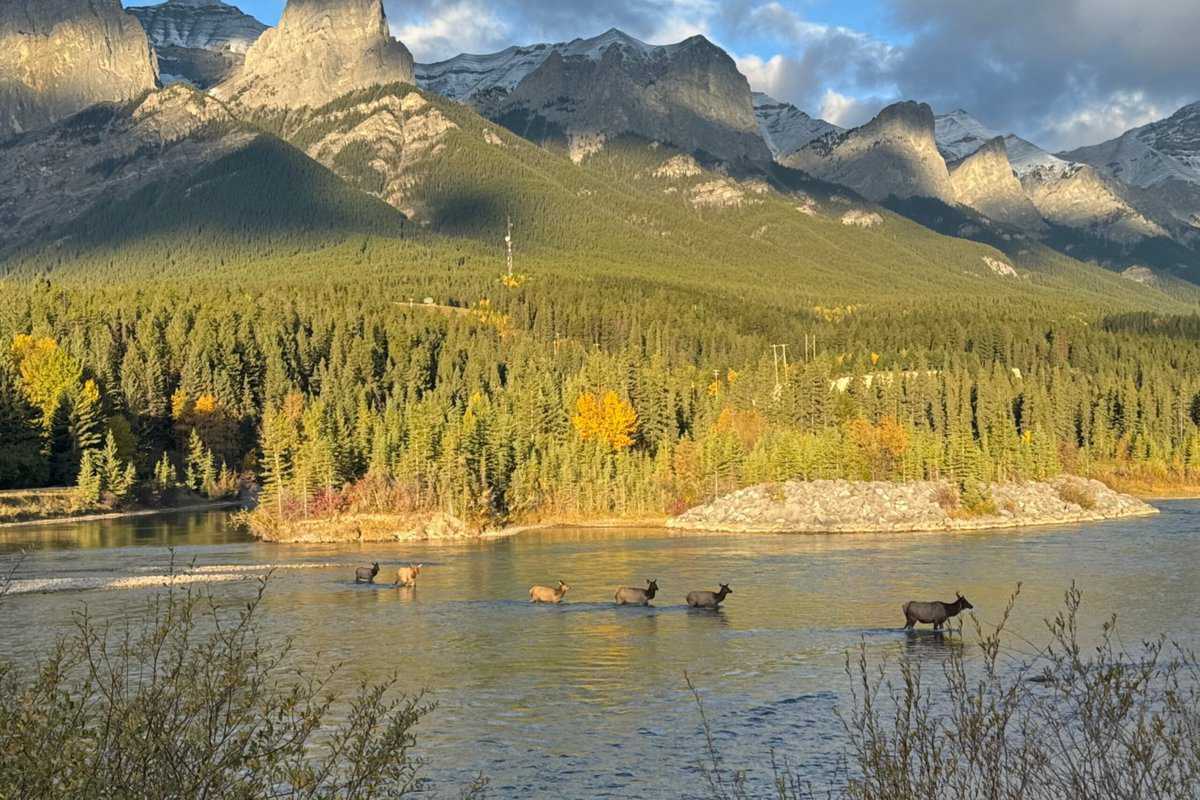
Wildlife behaviour in September is shaped by two major events: the peak of the elk rut and the shift in foraging as bears prepare for hibernation. Both create memorable viewing opportunities - but they also demand extra awareness and respect for wildlife safety. For the safest experience, consider booking a guided tour.
The Elk Rut: September's Wildlife Soundtrack
September is prime time for the elk rut, or mating season. Bull elk are highly active, gathering harems and challenging rivals. Their haunting, high-pitched bugles echo through valleys and meadows, especially in the early morning and evening.
Common places to spot elk include the Banff Springs golf course, open meadows along the Bow Valley Parkway, and sometimes right in the Banff townsite. Keep at least 50 meters away, and never put yourself between a bull and his cows - they are unpredictable and can be highly aggressive.
Elk Are the New Bears: Why the Bow Valley Is a Hoofed Horror Movie
Bear Foraging: The Final Push Before Winter
While buffalo berry season tapers off in early September, bears remain focused on feeding, switching to other food sources like roots, grasses, and late berries.
This foraging still brings them to lower elevations and open areas such as the Lake Minnewanka Loop, Bow Valley Parkway, and slopes around Sunshine Meadows.
A bear intent on eating can be easily surprised, so make noise on trails, travel in groups, keep pets leashed, and carry bear spray where it's quickly accessible.
Bear With Me – A (Mostly) Lighthearted Guide to Staying Alive in Canmore & Banff
Other September Wildlife Highlights
- Moose: More active in cooler weather and often seen in marshy or forested areas like Vermilion Lakes or along the Icefields Parkway. Keep a generous distance - they can be aggressive in the fall.
- Bighorn Sheep & Mountain Goats: Frequently spotted along high-elevation roads and rocky slopes. Sheep may start moving to lower elevations later in the month.
- Migratory Birds: September marks the fall migration, with flocks of geese and ducks gathering at wetlands, plus hawks and eagles moving through the Bow Valley.
- Small Mammals on the Move: Squirrels, marmots, and pikas are in overdrive gathering food for winter - fun to watch but a reminder of the season's urgency.
Bear With Me - A (Mostly) Lighthearted Guide to Staying Alive in Canmore & Banff
Elk Are the New Bears: Why the Bow Valley Is a Hoofed Horror Movie
Scenic Drives & Day Trips
The iconic drives around Banff remain breathtaking in September, with the bonus of fall colours starting to show along the way.
Icefields Parkway: Consistently ranked among the world's most spectacular drives, the parkway's glaciers, waterfalls, and turquoise lakes are unforgettable. In September, golden larch and aspen add extra colour to the scenery. Key stops like Bow Lake and the Peyto Lake viewpoint are must-sees.
Yoho & Kootenay National Parks: For a change of pace - and often fewer crowds - take a day trip to one of Banff's neighbouring parks. Yoho boasts the towering Takakkaw Falls and the vivid Emerald Lake, while Kootenay offers the striking geology of Marble Canyon and the colourful Paint Pots.
September Events & Festivals: A Transition Into Fall
While September marks the winding down of summer’s big festivals, it still offers plenty of cultural experiences and seasonal events worth planning around.
Canmore Mountain Market (Canmore)
Canmore Mountain Market runs every Thursday at Elevation Place from May to October. More than 75 vendors offer fresh produce, baked goods, and handmade crafts, making it a lively weekly tradition and a great way to connect with Canmore’s local community. (May to October).
Banff Farmers Market (Banff)
The Banff Farmers Market fills Central Park every Wednesday through the summer. Stalls are brimming with fresh produce, local crafts, and handmade goods, making it a favourite stop for both locals and visitors looking for a taste of the Bow Valley. (May to October)
Art in Nature Trail (Banff)
The Art in Nature Trail winds along the Bow River with installations that merge creativity and the natural environment. This outdoor exhibition encourages visitors to explore at their own pace, discovering works of art that highlight the connection between people and place. (July to September).
Melissa’s Road Race (Banff)
Melissa’s Road Race has been a Banff tradition for decades, drawing runners from across Canada. Participants can choose a 5K, 10K, or half-marathon route, each offering stunning views of the mountains, forests, and rivers that surround the town.
National Day for Truth and Reconciliation (Banff)
Banff observes the National Day for Truth and Reconciliation with ceremonies, gatherings, and community-led events. It is a day for reflection and learning, honouring residential school survivors and recognising the ongoing journey of reconciliation in Canada.
Jasper Folk Music Festival (Jasper)
The Jasper Folk Music Festival brings big sounds to a small mountain town. Set against the backdrop of the Rockies, this two-day event features Canadian and international artists, food vendors, and a relaxed, family-friendly vibe on the shores of the Athabasca River.
Local Tips to Travel Smarter in September
1. Book Key Items Early: Even though September is less busy than July or August, shuttles to Lake Louise and Moraine Lake, accommodations during larch season, and popular tours can still sell out quickly. Make reservations ahead of time to secure your plans.
2. Plan Around Peak Hours: The busiest times at popular locations are generally between 10 a.m. and 3 p.m. Visiting early in the morning or later in the afternoon will give you a quieter experience and better light for photos.
3. Download Offline Maps: Cell service is spotty or nonexistent in many parts of the park, including Moraine Lake, the Icefields Parkway, and certain trailheads. Save maps and trail info to your phone before heading out.
4. Respect Wildlife Safety: September means active rutting elk and bears in heavy foraging mode. Give all wildlife extra space, never approach, and always carry bear spray where it's accessible - and know how to use it.
5. Dress in Layers: Weather can swing from warm sun to cold wind - and even snow at higher elevations - in the same day. Always carry an extra warm layer and rain gear, even for short outings.
6. Be Larch-Season Smart: Trails like Larch Valley and Sentinel Pass can be busy during peak colour in mid-to-late September. Midweek visits, early starts, or alternative larch hikes like Taylor Lake or Healy Pass can mean fewer crowds.
7. Watch for Early Snow & Ice: Higher elevation trails and passes can have frost or light snow. Good footwear and trekking poles improve both safety and comfort.
8. Mind the Shorter Days: By the end of September, sunset can be before 7:30 p.m. Plan hikes so you're back well before dark, and carry a headlamp just in case.
9. Leave No Trace: Help protect Banff's beauty by packing out all garbage, food wrappers, and personal items. Even small bits of litter can harm wildlife and spoil the landscape.
10. Check Road Conditions Before You Go: Cooler nights mean an increased chance of frost, icy patches, or even early snow at higher elevations like the Icefields Parkway. Check Parks Canada's road reports before heading out to avoid surprises and adjust your plans if needed.
Why September Might Be Banff's Best Month
Banff in September blends the best of summer and fall - quieter trails, vibrant colours, crisp mornings, and just enough warmth to enjoy the outdoors in comfort.
Whether you're here for golden larches, wildlife encounters, scenic drives, or cultural events, you'll find that the slower pace lets you savour it all. Pack smart, plan ahead, and you'll leave with a camera full of photos and a heart full of mountain memories.


