Banff in August: Lake Days, Alpine Walks and Late Summer Evenings
Plan a summer stay around mountain lakes, alpine walks and time in Banff and Canmore. August 2027 advice on the bookings that matter, festival dates and flexible days outdoors.


Last checked: 20 October 2026
Lake transport: Parks Canada is still showing its 2026 shuttle calendar; 2027 reservations and times are unconfirmed.
Summer outings: announced 2027 seasons include August at Sunshine Meadows and Lake Minnewanka Cruise.
Canmore Folk Festival: the organiser announces 30 July to 2 August 2027; tickets and the programme are still to come.
August gives you a broad choice of summer days in Banff: mountain lakes, high trails, boat trips and evenings with time to sit outside. It's a good fit for a first Rockies visit, families travelling during the school holidays and hikers who want to get above the trees.
The trade-off is peak-season demand. Book the few things your trip depends on, then leave room for weather and a slower afternoon in Banff or Canmore. You'll enjoy the month more if every day doesn't require another early alarm.
🏔️ For wide mountain views: ride the Banff Gondola above the Bow Valley.
🚤 For a relaxed lake outing: take a guided Lake Minnewanka cruise.
🚣 For an active family day: try guided whitewater rafting on the Kananaskis River.
What to expect in Banff in August
Early August still feels firmly like midsummer. Lakeshore visits, sightseeing lifts and alpine walking give you plenty of ways to spend a day, while the first long weekend adds festival visitors to the usual holiday traffic.
Later in the month, mornings feel cooler and the evenings shorten. It remains a busy summer period, so don't count on empty trails or a sudden fall in hotel rates. Come for green alpine landscapes and lake days; the main golden-larch season usually belongs to September.
August at a glance
| Plan for | What to expect |
|---|---|
| Weather | Banff averages: highs 22°C, lows 7°C. Cooler at Lake Louise and higher up. |
| Daylight | About 15 hours 22 minutes at the start; 13 hours 36 minutes by the end. |
| Crowds | Peak summer demand, with a busy opening long weekend. |
| Access | Summer lake transport and high trails; reservations and current conditions matter. |
| Book first | Accommodation, lake transport, essential tours and festival tickets. |
Start with your base and the lake day that matters most, then fit other outings around them. Compare cancellation terms before filling every gap with a paid booking. Keeping a clear-weather window for a summit or a longer walk is more useful than having a ticket for every afternoon.
For the opening weekend, allow for extra demand from the folk festival and the Monday holiday period. Heritage Day falls on 2 August 2027 and is an optional general holiday in Alberta. The practical point for visitors is the busy weekend, rather than assuming every business closes.
Allow for a Parks Canada entry pass when visiting Banff or Yoho. Parks Canada shuttle tickets don't include park admission, so you need both. The 2026 Canada Strong Pass free-entry period ended on 7 September; don't assume that offer applies to August 2027.
Weather, daylight and what to pack
A warm lunch in Banff doesn't tell you what a ridge above Lake Louise will feel like. Pack for changes in elevation and weather, with something warm available even on a sunny day.
- Temperatures: Parks Canada's published August averages are about 22°C by day and 7°C overnight in Banff, compared with 20°C and 3°C at Lake Louise. These are climate averages, not a forecast for 2027.
- Daylight: on 1 August 2027, sunrise is around 6:07 am and sunset 9:28 pm. By 31 August, they're about 6:53 am and 8:30 pm. These are local times; mountains cut off direct sunlight earlier.
- Mountain weather: rain, thunderstorms and cold snaps remain possible. High terrain can receive snow even in summer. Choose your route using the forecast for its elevation.
- Clothing: breathable layers, walking trousers or shorts, a fleece or light insulated jacket and a waterproof shell. Add a warm hat and gloves for high trails or a chilly morning.
- Footwear and supplies: comfortable shoes with grip, sun protection, water, snacks, a small first-aid kit and a headlamp. Carry an offline route map for walks beyond town.
Start long walks early enough to leave a generous return margin. When thunderstorms are forecast, avoid committing to an exposed ridge or pass late in the day. Turn around if conditions deteriorate; the summit will manage without you.
The best things to do in August
Give Lake Louise and Moraine Lake enough time
These are places to linger, with turquoise water, forested shores and steep mountain walls. A lakeshore visit suits a mixed group, while hikers can make one lake the starting point for a longer day. Trying to add two major hikes to a two-lake sightseeing day usually makes everything feel rushed.
At Lake Louise, Lake Agnes and Plain of Six Glaciers add sustained uphill walking. Larch Valley above Moraine Lake is a summer mountain hike in August; extending to Sentinel Pass brings steeper terrain. Choose according to your group's fitness and the latest trail report, then work backwards from your return transport.
Group-access restrictions can apply to Larch Valley and Sentinel Pass. When an order is in force, hikers must travel together in a tight group of at least four; a solo hiker or pair cannot continue alone. Read Parks Canada's current bulletins before setting off, as restrictions depend on bear activity rather than a guaranteed annual timetable.
The Lake Louise access guide helps with the first decision: how you'll get there. Transport arrangements for both lakes are brought together below.
Walk the alpine trails at Sunshine Meadows
The gondola and Standish chairlift take much of the climb out of reaching open mountain country. That makes Sunshine a useful choice if you want alpine views without starting with a long uphill forest walk. There are still uneven paths and exposed stretches once you leave the lifts.
Sunshine Meadows announces a summer season from 25 June to 19 September 2027. Early August can bring flowers, with more seed heads appearing as summer progresses, but the display follows snowmelt and weather. Stay on marked paths and plan your walk around the day's last lifts.
Ride the Banff Gondola
Sulphur Mountain gives you a wide view over Banff and the surrounding ranges without a hiking ascent. Mix the outdoor viewing areas with indoor exhibits, and take the stepped boardwalk towards Sanson's Peak if it suits your group. You can enjoy the summit building without doing that extra walk. Our sightseeing lift comparison helps you choose between summits.
Choose a clear-weather window when possible. An evening visit can be lovely, but match your booking to actual operating hours and the month's changing sunset time. The 2027 Sunset Festival programme isn't confirmed yet, and food or drinks aren't automatically included in a standard gondola ticket.
Spend an hour on Lake Minnewanka
The classic guided cruise offers a seated way to see more of Lake Minnewanka and hear about its history. It works well between more active days, or for a group whose members don't all want the same amount of walking. Bring a layer for time on the dock and outside.
The operator lists 7 May to 11 October for its 2027 cruise season, weather permitting. Leave time for the walk to the boarding point and check the particular cruise you select. A boat ticket doesn't mean every rental or shore facility follows the same schedule.
Follow the waterfalls at Johnston Canyon
Canyon walls, rushing water and suspended walkways make Johnston Canyon a different outing from the open lake viewpoints. The Lower Falls is the shorter option; continuing to the Upper Falls adds distance and climbing. The Ink Pots is a longer hike beyond the canyon, best treated as its own plan.
An earlier start may ease the queues, but this remains one of Banff's busiest walks. Stay on the designated trail, expect wet surfaces and allow time for narrow sections. The Johnston Canyon guide explains the route. Read the latest trail report before setting off.
Choose a paddle or a rafting day
A canoe rental gives you a slower view of a lake, while Kananaskis rafting makes a more active half-day. The linked rafting trip runs through Class 2 to 3 rapids with guides and equipment. It can suit first-timers who meet the operator's requirements, but it's whitewater rather than a gentle sightseeing float.
This rafting trip excludes transport from Banff or Calgary. Its meeting point is the Chinook Rafting Base at Nakoda Lakeside Lodge on Highway 1A, about 25 minutes from Canmore or 45 minutes from Banff. Follow the directions in your booking confirmation and review the operator's age, weight and participation requirements. August fits the normal season, but individual 2027 departures still need to be available.
For independent paddling, use Parks Canada's water activity rules before choosing a lake. Current rules permit only on-site rental craft at Moraine Lake and prohibit personal paddlecraft at Minnewanka. Elsewhere, follow the lake's zone and Clean, Drain, Dry and self-certification requirements; wear a lifejacket and respect cold water and wind.
Enjoy Banff and Canmore at ground level
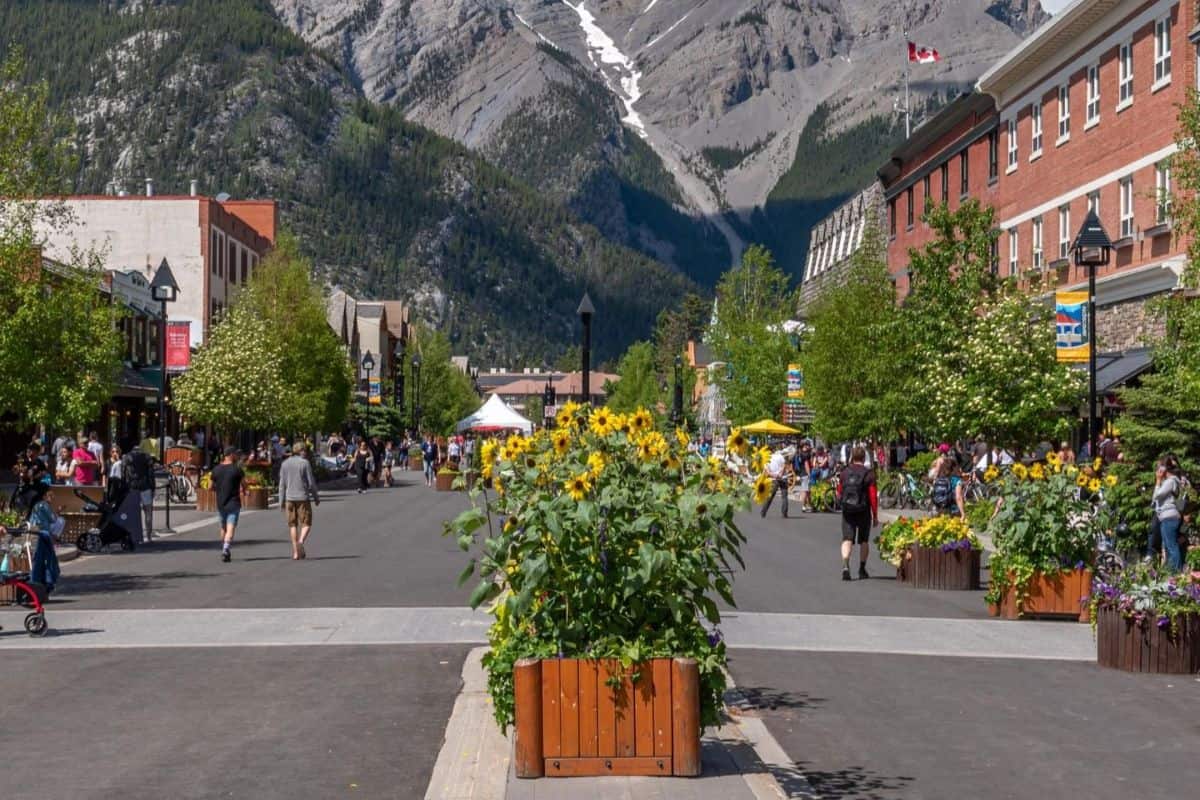
Leave a day with room for a Bow River walk, lunch and a wander through town. Banff's Central Park and riverside paths are easy to combine with shops and cafés. In Canmore, join part of the river loop and return downtown when everyone is ready for a break.
Cyclists can use the paved Legacy Trail between Canmore and Banff. Plan the distance from your actual rental shop, including the journey back, and allow for wind and highway noise. A short ride or walk is a better family outing than a full route chosen only because it's paved.
Keep a museum and food day in reserve
The Whyte brings mountain art and local history into a day in central Banff. Cave and Basin adds the story of the national park's beginnings and a visit to the thermal cave. It's a historic site, distinct from the outdoor bathing pool at Banff Upper Hot Springs.
These make useful choices when rain takes the appeal out of a long walk. Pair a visit with lunch or an early dinner from the Banff food and drink guide. If smoke is the reason for changing plans, choose an indoor setting with cleaner air and follow local advice.
Getting around in August
Travelling without a car
A central Banff base works well with an airport transfer, local buses and booked trips. You can spend several days here without driving, provided your accommodation and chosen activities connect sensibly. A distant trailhead or rafting meeting point may need separate transport.
- Roam Route 1 serves Sulphur Mountain and the Banff Gondola; Route 3 connects Banff and Canmore.
- Route 8X links Banff with Lake Louise. Seasonal routes serve destinations including Johnston Canyon and Lake Minnewanka.
- Use our Roam Transit guide to choose routes and tickets, then consult the operator's timetable for your dates and final return. Don't assume an attraction ticket includes a bus ride.
Lake and trail access
Moraine Lake Road is closed to ordinary private-vehicle sightseeing. Use reserved visitor transport; Lake Louise still has very limited paid parking, but a car doesn't secure a space. The Parks Canada lake shuttle page remains the source for the 2027 release when announced.
The current regular shuttle system starts at the Park and Ride at Lake Louise Ski Resort and includes the lake connector and return. Roam passengers need a qualifying ticket for the connector. The village, ski resort and lakeshore are different places, so use your booking's actual meeting point.
For a sightseeing visit, compare the return shuttle from Banff or Canmore to both lakes. It follows fixed stops, so won't suit a long hike. Review the selected pickup, any compulsory driver fee and August 2027 availability before booking.
Keep walks within the return time you have booked, with room for queues. For pushchairs or mobility aids, ask about the vehicle and the specific path surface together. A viewpoint described as easy may still involve a slope, steps or rough ground.
Driving and parking
A car helps with outlying walks and regional trips, but it can sit unused on days spent in Banff. Leave it at your accommodation when practical and use designated parking. The Banff parking guide helps you plan town stops without circling for a space.
Build in extra time for traffic and wildlife, and use Alberta 511 before longer drives. The Icefields Parkway has gaps in mobile coverage and widely spaced services even in summer. Fill up, carry water and food, and save your route before leaving.
Highway 93N between Lake Louise and Jasper requires snow tyres (snowflake or M+S) or chains from 1 November to 31 March, and whenever the road is covered in snow or ice. August isn't an exemption from the condition-based rule.
If snow is forecast, reconsider the drive unless your vehicle and experience suit it. Carry warm clothing and emergency supplies, and allow for closures.
Where to stay in August
Banff is the easiest all-round base for a first visit, especially if you want evening meals and transport close together. Canmore offers more choice for apartment-style stays and time around town, though the journey to Banff adds up. Lake Louise suits an itinerary centred on the lakes and hiking, with fewer evening options.
Compare the complete stay: parking, breakfast, cancellation terms and how you'll reach your main outings. A cheaper room on the edge of a town can lose its advantage if every activity needs another transfer. In August, the location you can comfortably use matters as much as the room itself. Our Banff or Canmore comparison helps with that choice.
Banff Park Lodge puts downtown restaurants and the Bow River close by, with an indoor pool for a change of pace after a hot or wet day. It's a practical choice if you expect to leave the car parked for part of your stay. The hotel plans an exterior refresh for summer 2027, so ask about work affecting your dates before committing.
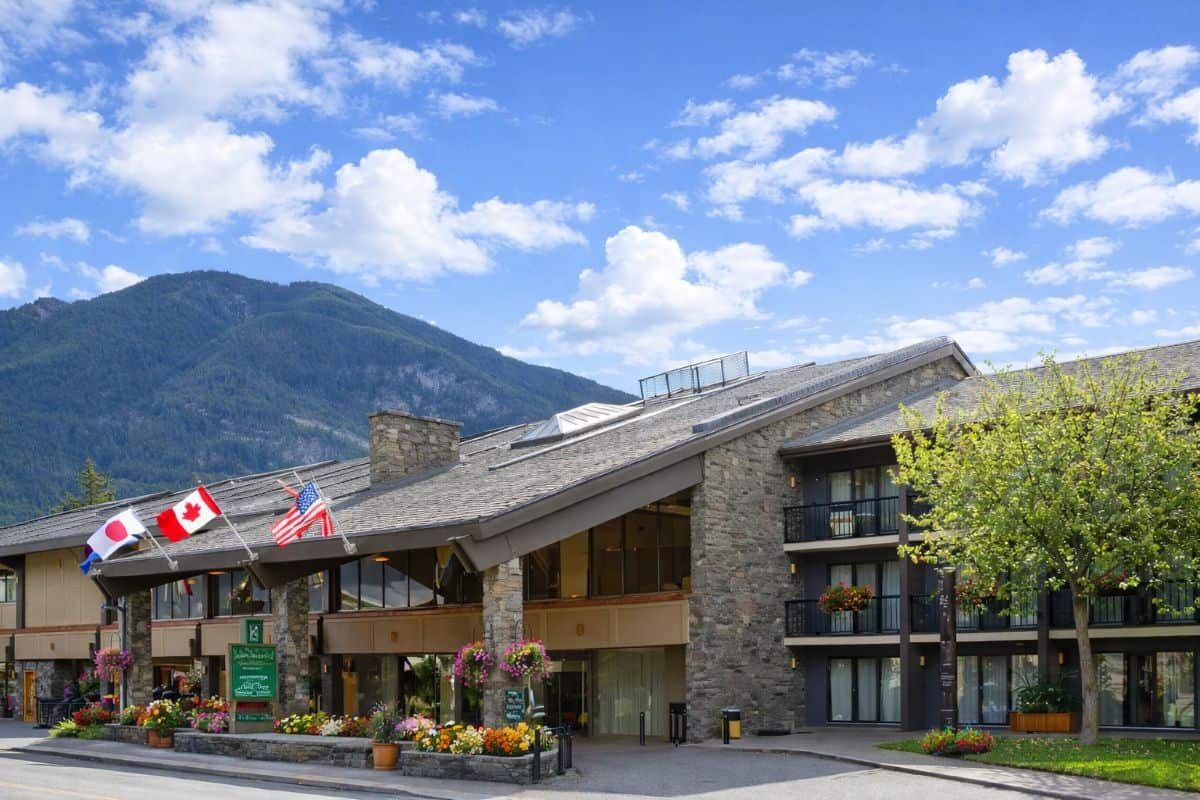
Banff Park Lodge
Price range: $$$-$$$$
Location: Banff Townsite
Pool / Spa: Indoor pool; hot tub; steam room; plunge pool
Parking: Heated underground parking (paid)
Pet-friendly: No
Best for: Central location; families; full-service hotel
Pocaterra Inn & Waterslide suits families who want a pool session built into the holiday. It's on Bow Valley Trail rather than in Canmore's pedestrian centre, so factor in the journey downtown and to regional buses.
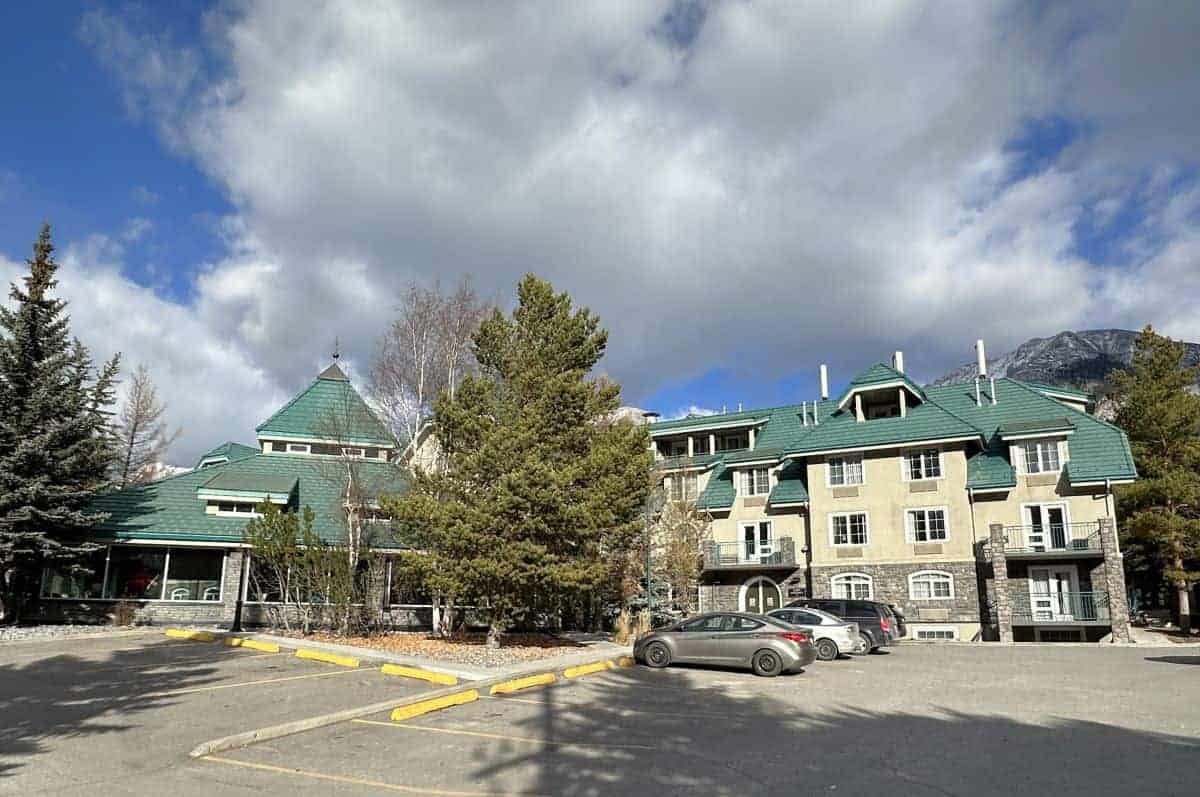
Pocaterra Inn & Waterslide
Price range: $$-$$$
Location: Canmore
Pool / Spa: Indoor pool with waterslide; hot tub; sauna
Parking: On-site parking (free)
Pet-friendly: Yes (limited rooms)
Best for: Families; value stays; Canmore base
Mountaineer Lodge is a village base for Lake Louise outings, with a hot tub for tired legs afterwards. Staying here reduces the drive from Banff, but it doesn't give you automatic access to Moraine Lake or a lakeshore parking space.
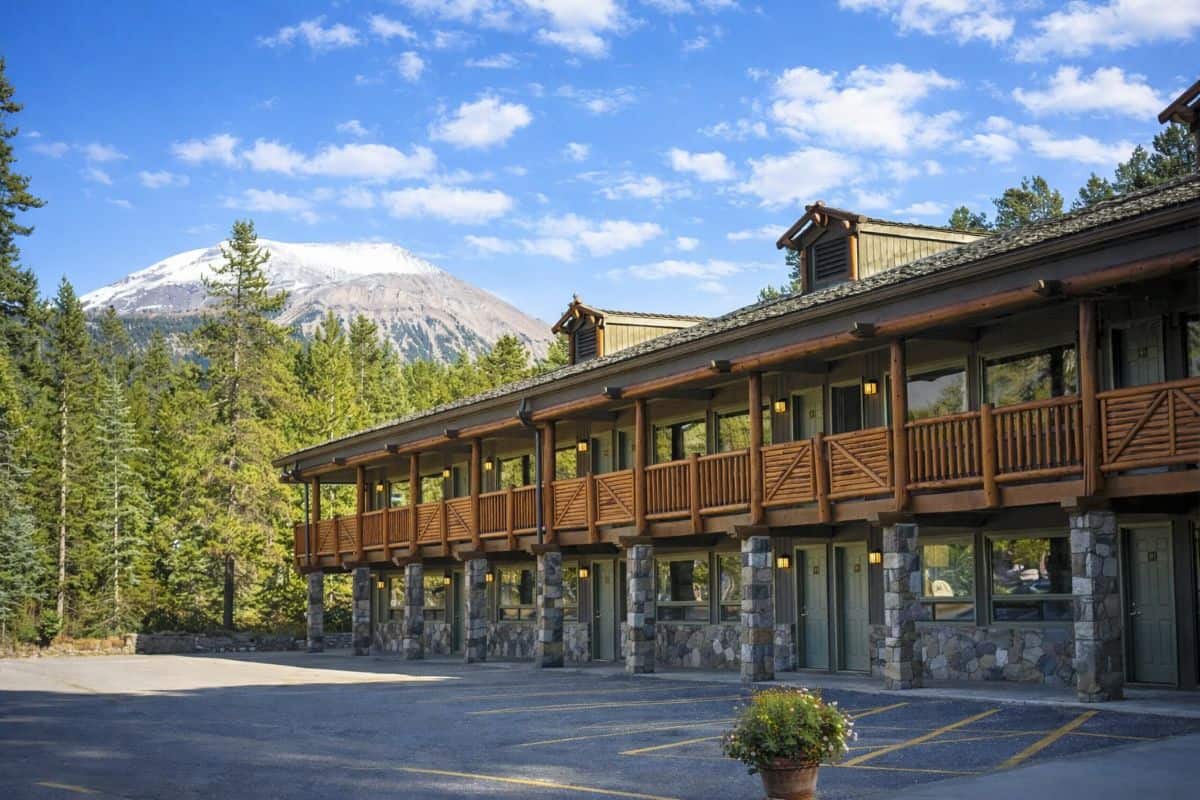
Mountaineer Lodge
Price range: $$$
Location: Lake Louise
Pool / Spa: Hot tub; steam room
Parking: On-site parking (free)
Pet-friendly: Yes (dogs; select rooms)
Best for: Value stay in Lake Louise; skiers; simple base
Events in August 2027
The opening weekend already has a confirmed festival date. Other familiar summer events haven't yet published their 2027 programmes, so treat them as possibilities when choosing a holiday, rather than fixed appointments.
Canmore Folk Music Festival
30 July to 2 August 2027
The festival organiser has announced these return dates. The festival is based in Centennial Park in Canmore, making it a good reason to stay in town and build walks or meals around the music. The 2027 tickets and detailed programme are still to come.
Book accommodation with those dates in mind if you're planning a festival weekend. If you're staying in Banff, leave enough time to get to Canmore and arrange your journey back around the evening programme. Don't assume a late performance finishes before the final regional bus.
Banff Gondola Sunset Festival
2027 dates and programme unconfirmed.
The festival has brought live music to the summit during summer evenings. The existing TBG Sunset Festival guide explains the experience, but its dated programme currently covers 2026. Wait for the new programme before booking specifically for a performer or festival evening.
Summer markets and Banff Centre performances may add more options as calendars develop. The Canmore Highland Games is a Labour Day weekend event, so it isn't included as an August 2027 booking.
Wildlife and seasonal considerations
Bears, berries and late-summer elk
Berry season can bring bears close to trails and roads while they're feeding. Make noise where visibility is limited, travel together and carry bear spray where you can reach it. Give a feeding bear space rather than trying to improve your view; our bear safety guide covers practical preparation.
Keep at least 100 metres from bears and other large predators, and 30 metres from elk, deer and sheep. Elk can become more assertive as the rut approaches later in summer. Give them a clear route past you, keep dogs leashed and never approach for a photograph.
The Lake Minnewanka seasonal restriction runs annually from 10 July to 15 September. Beyond Stewart Canyon Bridge, including Aylmer Pass and Lookout, hikers must travel in groups of at least four, no more than 3 metres apart, and carry bear spray. Dogs and bikes are prohibited in the restricted area; Lm8 campground is closed.
Those rules concern the backcountry trails, not the normal cruise departure area. Temporary closures can add further limits. Read the current signs and Parks Canada bulletins before setting off, and never use an older trip report to override them.
Smoke, fire and changing trail conditions
Wildfire smoke can affect views and air quality even when the fire is far away. There's no reliable way to promise which August dates will be clear. Keep some flexibility and use the Air Quality Health Index guidance to decide when to shorten, move or postpone strenuous outdoor plans.
Follow local fire bans and closure notices, including rules at your campsite. Rain at your hotel doesn't establish the conditions elsewhere in the park. High trails can also change after storms, so ask about your actual route rather than assuming summer means unrestricted access.
Nearby outings with room to enjoy them
Canmore for the river and a slower lunch
Allow roughly 25 to 30 minutes each way from Banff by car before traffic or stops; the regional bus takes longer. The Bow River Loop can be shortened to suit your group, then paired with downtown shops, galleries and lunch.
This is a useful choice after a long hiking day because you can decide how far to go as you walk. If you're already based in Canmore, use the same idea for a day in Banff: one short walk and time to enjoy the town.
Bow Lake and Peyto Lake
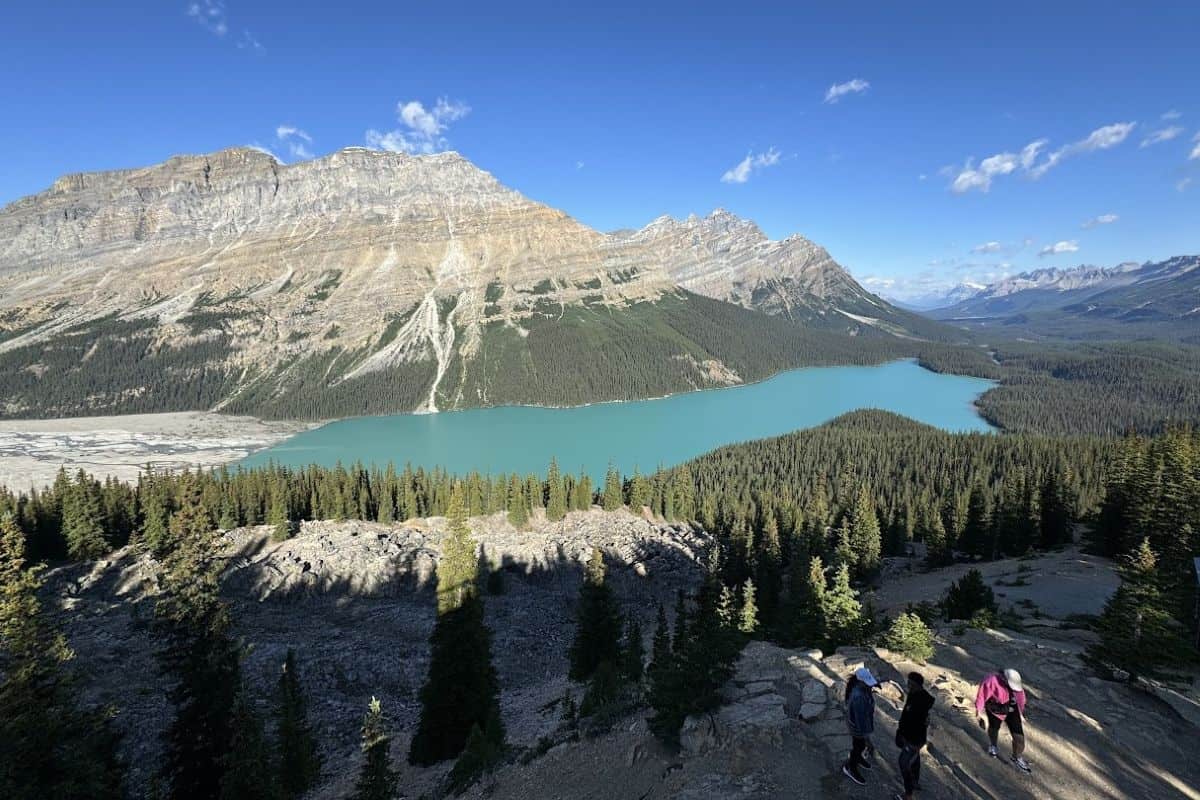
Allow roughly 1 hour 15 minutes to 1 hour 30 minutes from Banff to this part of the Icefields Parkway before stops. Make Bow Lake the main outing and leave time for the uphill walk to Peyto Lake's main viewpoint. The viewpoint path and a longer mountain hike need different amounts of time and preparation.
These stops can be busy; use signed parking and keep to established viewpoints. Jasper lies much farther north and deserves a substantial regional itinerary, usually with an overnight stay.
Emerald Lake and Takakkaw Falls in Yoho
Allow around 1 hour 15 minutes to 1 hour 30 minutes from Banff to Emerald Lake in ordinary conditions, before time spent at the lake. Pair a shoreline visit with Takakkaw Falls only if you have a full day available. Both places are popular summer stops, so crossing the provincial border doesn't remove the crowds.
Yoho Valley Road normally opens from mid-June to mid-October, weather permitting. Its tight switchbacks have vehicle restrictions; consult Yoho's seasonal road information if you're driving a camper or towing. A day with one lake, one waterfall and an unhurried meal is plenty.
Is August the right month for your trip?
Choose August if you want the range of a summer Rockies holiday and don't mind arranging the key parts ahead. A lake day, an alpine outing and time in Banff or Canmore make a satisfying start. You can add more if the weather and everyone's energy allow.
Compare July for longer evenings and September for cooler days and the later autumn colours. August has plenty of summer left; you don't need to fit all of it into one visit.
FAQs: Banff in August
Is August a good time to visit Banff?
Yes, especially for lake visits, summer sightseeing and high-country walks when conditions suit. It offers a broad choice of activities, but comes with busy roads, popular trails and strong hotel demand. Secure your essential bookings and keep some flexibility for weather.
Is late August quieter than early August?
The opening long weekend can be especially busy, but late August is still peak summer. Don't rely on a sharp drop in crowds or accommodation costs. Choose dates around the activities you want, then consider midweek stays and less hurried daily plans.
Can you drive to Moraine Lake in August?
Ordinary private-vehicle sightseeing access isn't permitted. Arrange visitor transport in advance and follow your booking's meeting-point instructions. Parks Canada's 2027 shuttle dates and reservation release are still unconfirmed as of this guide's last check.
What should you wear in Banff in August?
Wear comfortable walking clothes and carry a warm layer and waterproof shell. Banff afternoons can be warm while Lake Louise mornings and high trails feel much colder. Add shoes with grip, sun protection and extra warmth for long or exposed outings.
Can you see golden larches in August?
August is generally too early to plan a trip around golden larches. The main colour season usually comes in September, with timing varying by elevation and weather. Walk Larch Valley in August for its summer mountain setting rather than a guaranteed autumn display.
How many days should you allow for an August visit?
Four or five days is a useful starting point for Banff, Lake Louise and Canmore, giving you time for a lake day, a longer outing and a weather alternative. A shorter trip can still work if you choose fewer priorities. Add separate time for Jasper or other longer regional journeys.