
Bow Valley Parkway: Scenic Stops, Epic Hikes, And Wildlife Encounters
Forty-eight kilometres between Banff and Lake Louise through montane forest, with Johnston Canyon, Castle Lookout and Silverton Falls along the way. Seasonal car-free windows for cyclists, nightly closures for wildlife from March to June, and where to stop.

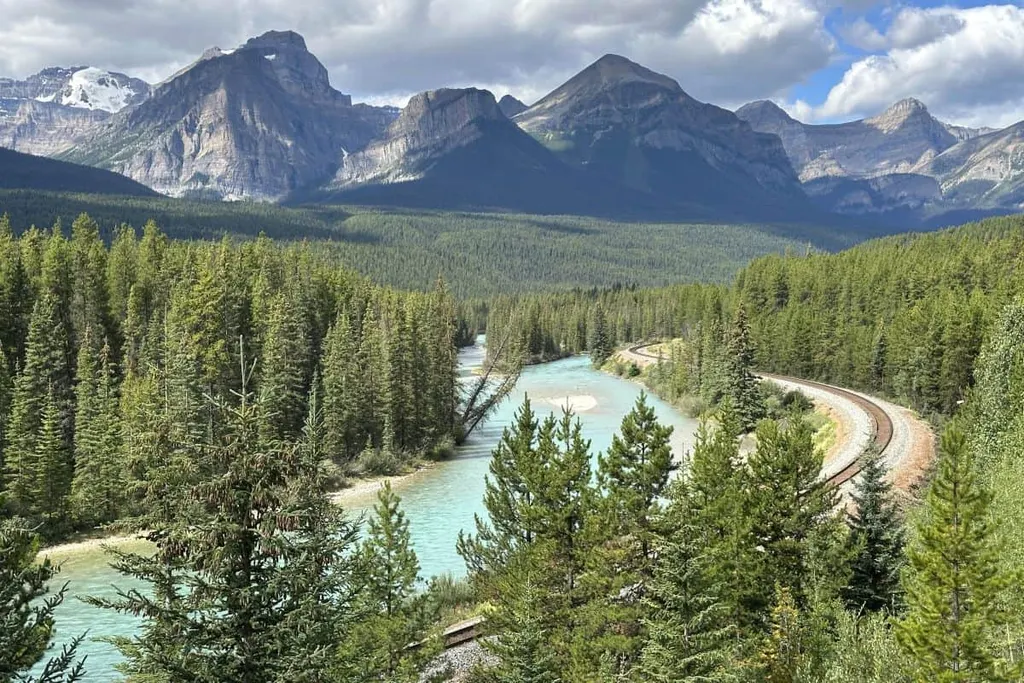
The Bow Valley Parkway (Highway 1A) is not just another road between Banff and Lake Louise. It’s a 48-kilometre journey through one of the most wildlife-rich ecosystems in Banff National Park. Think of it as the scenic sibling of the Trans-Canada Highway - slower, calmer, and infinitely more interesting.
Here, you’re not rushing to a destination; you’re meandering through the montane zone, spotting elk in meadows, slowing down for bears munching dandelions, and pulling over at viewpoints that could double as desktop wallpapers.
Add in quirky history - from motor bungalow lodges to internment camps - and you’ve got a road that’s as layered as the Rockies themselves.
Simply put: if you’re chasing the best Banff scenic drives, the Parkway is near the top of the list.
🚴♀️ For Active Adventurers - eBike & Hike Banff to Johnston Canyon. Cycle the Bow Valley Parkway on an e-bike before switching to a guided hike through Johnston Canyon. Includes Vermilion Lakes views, forest rides, and a walk to the Lower Falls Bridge.
❄️ For Winter Magic - Johnston Canyon Icewalk. Strap on the provided ice cleats and explore frozen waterfalls on Banff’s most famous winter hike. Professional guides lead you along the steel catwalks, with stories of geology, wildlife, and canyon history.
🏞 For the All-in-One Experience - Banff National Park & Johnston Canyon Day Trip. Departing from Calgary, Canmore or Banff, this full-day guided adventure hits Lake Louise, Moraine Lake, Emerald Lake, and Johnston Canyon.
Best Time to Visit
The Parkway isn’t always yours to cruise. Parks Canada has created closures and restrictions to keep wildlife safe and to give visitors unique ways to experience the road.
- Summer (late June - late August): Wide open for vehicles all day, every day.
- Spring (May - June): The eastern 17 km is closed to cars but open for cyclists and walkers during the day.
- Fall (late August - early October): The same section closes again, perfect for golden-larch cycling.
- March - June nightly closures: Between 8 p.m. and 8 a.m., the eastern stretch belongs to wolves and grizzlies, not you. Off-limits to both vehicles and non-motorised users.
- Winter: Open but icy - a slower, quieter drive with frozen waterfalls and fewer crowds.
The takeaway? Go early in the morning or near dusk for wildlife, and plan your trip around the spring/fall car-free windows if cycling is on your list.
Things to Do Along the Bow Valley Parkway
Johnston Canyon: The Showstopper
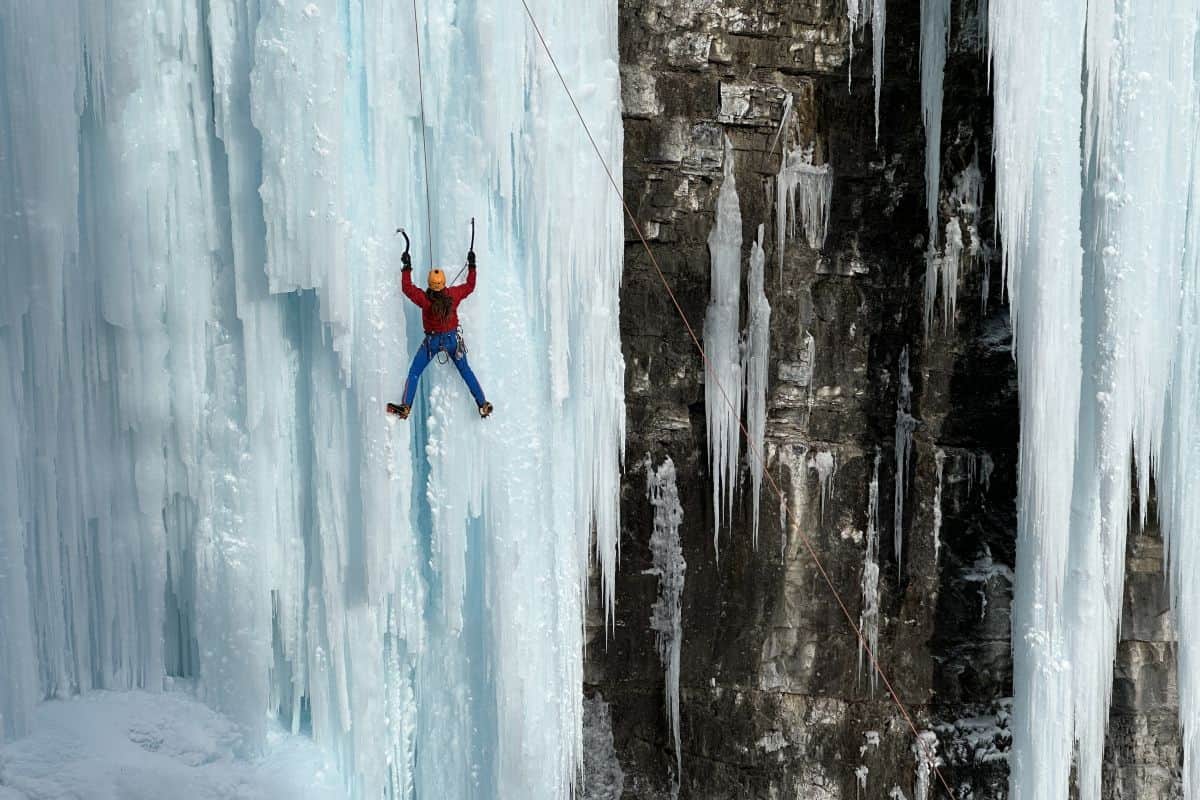
If the Parkway had a headliner, it’s Johnston Canyon. Catwalks cling to canyon walls, waterfalls thunder through narrow gorges, and families, Instagrammers, and hardcore hikers all find something to love.
The short walk to the Lower Falls (2.5 km return) is one of the most popular hikes in Banff. Cross the bridge to peek through a cave at the roaring water - just be prepared to jostle for space.
Continue to the Upper Falls (5.5 km return) for a taller cascade and fewer crowds if you start early. If you’ve got more gas in the tank, press on to the Ink Pots: bubbling mineral springs in a meadow 12 km round-trip.
In winter, the waterfalls freeze into blue ice curtains that attract climbers and photographers. Spikes or crampons are a must, unless you want to star in your own slapstick comedy.
A bonus here is Johnston Canyon Resort, where you’ll find a café, restaurant, and bungalows. Staying overnight means you can roll out of bed and onto the trail before the tour buses arrive.
Castle Lookout and Silverton Falls
For those who like a bit more sweat with their scenery, Castle Lookout is a solid half-day challenge. At 7.4 km return with 520 metres of elevation gain, it climbs steadily through forest to the site of an old fire lookout. From the top, the Bow Valley unfolds below in widescreen.
On the other end of the effort spectrum is Silverton Falls, a hidden gem near Castle Junction. Just 1.4 km return, this steep but quick trail leads to a high, delicate waterfall tucked away from the crowds. It’s a perfect leg-stretcher if Johnston Canyon parking is full or you’re craving peace and quiet.
Scenic Stops and Meadows
The Parkway is sprinkled with pull-offs that invite you to linger. Hillsdale Meadows comes alive with wildflowers in summer, with Pilot Mountain standing guard in the distance. Moose Meadows offers sweeping views and, if luck is on your side, the chance of seeing its namesake.
Near Castle Junction, a short trail leads to the Castle Cliffs Lookout, where the iconic mountain looms overhead in all its rugged glory. For train spotters and photographers, Storm Mountain Lookout and the famous Morant’s Curve deliver those classic “Rockies meets railway” shots.
Bow Valley Parkway Cycling
Thanks to the Bow Valley Parkway closure to vehicles in spring and fall, cyclists now get VIP access to one of the most beautiful stretches of pavement in the Rockies. Without the rumble of cars, you can actually hear birdsong, smell the wildflowers, and fully appreciate Castle Mountain towering over you.
For a relaxed spin, the 17 km car-free eastern section (Banff to Johnston Canyon) is ideal. Families and casual riders love it. If you’re feeling ambitious, tackle the whole Parkway from Banff to Lake Louise: around 58 km one way with 340 metres of gain. Hardcore cyclists can link it with the Banff Legacy Trail, creating a Canmore–Banff–Lake Louise mega-ride.
The E-Bike Advantage
Not everyone comes to Banff ready to grind out mountain climbs - and that’s where e-bikes shine. They flatten the hills, make the ride more accessible for all ages, and let you focus on the scenery rather than your quads. They’re especially handy for multi-generational families or visitors adjusting to the altitude.
E-bikes are fully permitted on the Parkway and the Legacy Trail, meaning you can ride from Canmore all the way to Lake Louise without touching the Trans-Canada. Rentals are easy to arrange in Banff, and they come with helmets (though you’ll still want to bring bear spray).
Practical Cycling Notes
- Helmets are mandatory for children.
- Bear spray should be within reach. (But you know that; you have read our bear safety guide)
- Expect service vehicles even during closures - so no weaving across the road as if you own it.
- Park at the Banff Train Station for a stress-free start.
- Bring a bike lock if you plan to hike en route.
Whether you’re pushing pedals in Lycra or cruising on an e-bike with snacks in the basket, cycling the Parkway is one of the best ways to experience Banff at a slower, quieter pace.
Wildlife Watching
Wildlife is one of the Parkway’s biggest draws, but it’s also one of the trickiest balancing acts.
Deer and elk graze in meadows at dawn and dusk. Bighorn sheep cling to rocky outcrops near cliffs. Bears are often seen roadside in spring, munching on fresh greenery, or in fall, bulking up on berries for hibernation. And though rarer, wolves, coyotes, and the occasional moose do make appearances.
The golden rules: keep 100 metres from carnivores and 30 from ungulates, never stop traffic for photos, and resist the urge to turn your rental car into a wildlife viewing platform. Your telephoto lens is your friend.
If you see a bear while cycling or hiking, back away slowly and give it space. And whatever you do, don’t feed anything - unless you’re keen to appear in Parks Canada’s next “Don’t Do This” video.
Seasonal Highlights
Spring: The first wildflowers poke through, bears emerge, and the Parkway’s eastern section goes car-free for cyclists. Wildlife closures are strictest now.
Summer: Long days mean more time for hikes, picnics, and slow drives. It’s the most popular season, so bring patience for Johnston Canyon crowds or start out VERY early.
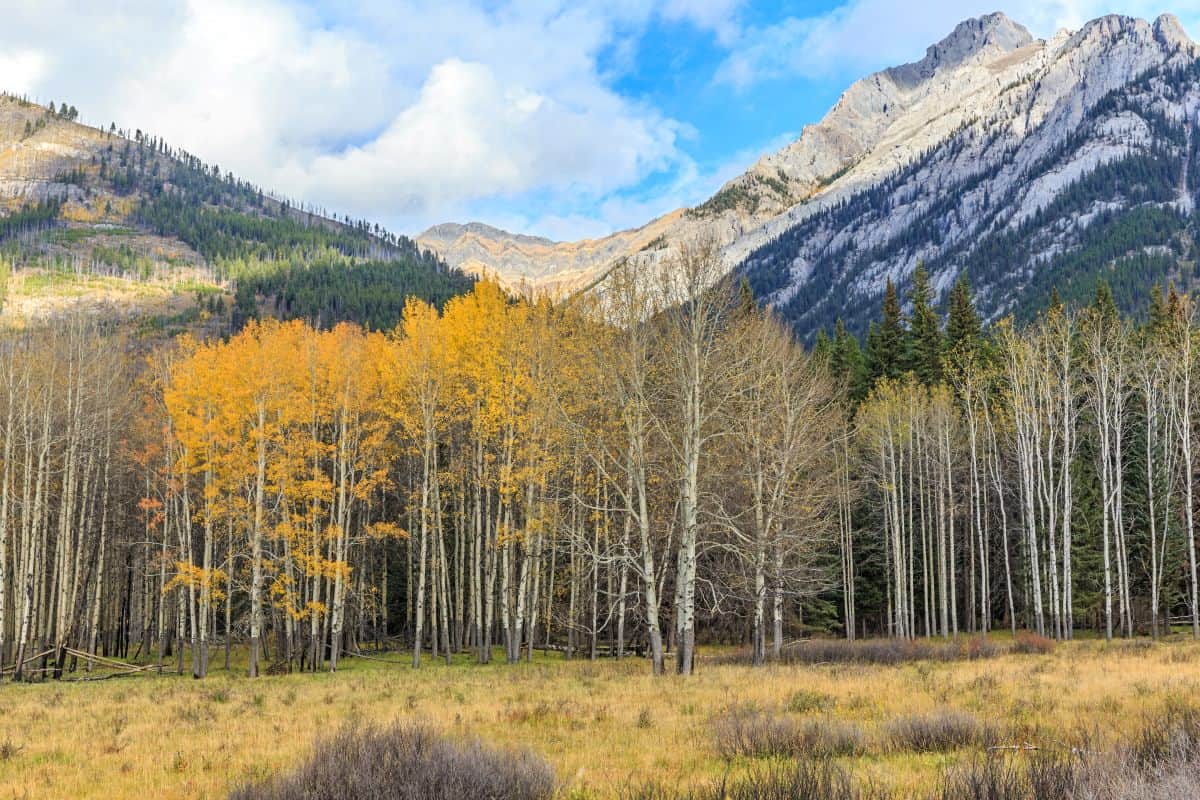
Fall: Larches blaze gold, wildlife is active, and the car-free cycling program makes its encore. Bring a camera - and maybe a pumpkin-spiced snack.
Winter: Frozen waterfalls, snowy meadows, and far fewer people. Johnston Canyon turns into an ice palace, and Morant’s Curve becomes the Rockies’ ultimate holiday card.
Practical Information
- Access: From Banff, enter near the Fireside Picnic Area, 6 km west of town. From Lake Louise, turn off near the ski resort along Whitehorn Drive. Castle Junction is a mid-point access option.
- Time needed: The drive takes about an hour without stops, but realistically, give yourself 1.5–2 hours. Add half a day if you’re hiking Johnston Canyon.
- Parking: Limited at hotspots - Banff Train Station is the best place to leave your car if cycling.
- Cell coverage: Patchy at best; don’t rely on it for directions or emergencies. Download AllTrails.
- Safety: Carry bear spray on hikes (and when cycling), obey closures, and drive slowly.
Where to Stay
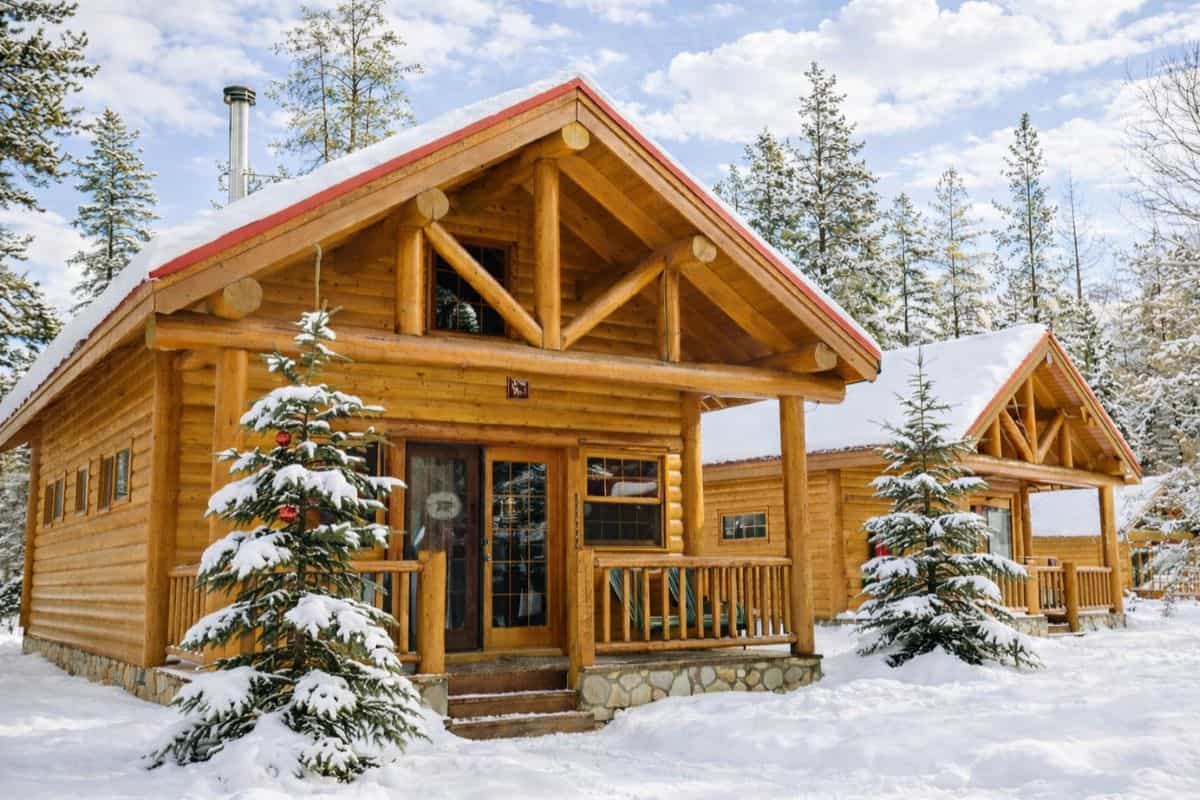
Baker Creek By Basecamp
Price range: $$$-$$$$
Location: Banff National Park
Pool / Spa: Sauna
Parking: On-site parking (free)
Pet-friendly: Yes (dogs; fee applies)
Best for: Quiet cabin-style stay; couples; relaxed getaway between Banff and Lake Louise
The Parkway is home to some of Banff’s most atmospheric accommodations. Johnston Canyon Lodge & Bungalows puts you steps from the waterfalls, while Baker Creek Chalets offers cosy cabins near Morant’s Curve. Castle Mountain Chalets sit conveniently at the midpoint, with a hostel next door for budget travellers.
If camping is more your style, try Johnston Canyon, Castle Mountain, or Protection Mountain campgrounds. Just remember: food belongs in bear-proof lockers, not in your sleeping bag.
Final Thoughts
The Bow Valley Parkway drive is less about getting from Banff to Lake Louise quickly and more about what happens along the way. Waterfalls, wildflowers, wildlife, and winding roads make this a route that insists you slow down.
Take your time. Pull over often. Hike a canyon, spot an elk, pedal past Castle Mountain, and maybe discover a quiet waterfall like Silverton Falls. The Parkway isn’t the fastest way through Banff — but it’s easily the most rewarding.


