
Fat Biking In Banff: Where To Ride In Banff, Canmore, and Kananaskis
Snow quality decides everything: packed and firm you roll, soft and you push. Trails in and around Banff, Canmore's naturally packed pathways, the groomed routes at the Nordic Centre and West Bragg Creek, plus what to wear, where to rent, and how to share trails with skiers.

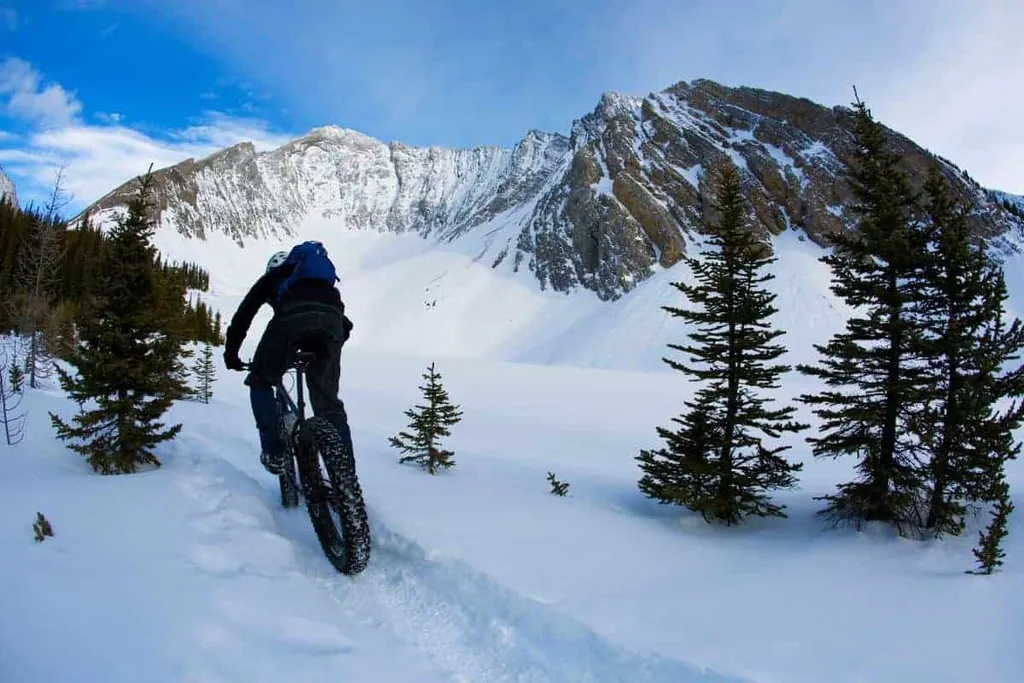
Fat biking has become one of the most enjoyable ways to get through winter in the Bow Valley. Once you try riding snowy trails with those oversized tyres, it’s hard not to fall for it. The combination of fresh air, steady effort, and quiet winter trails makes this a fantastic way to explore.
This guide covers everything you need to know about fat biking in Banff, Canmore, and Kananaskis, from trail options to clothing, rentals, and safety.
Why Trail Conditions Matter
Winter riding depends heavily on snow quality. Packed snow is ideal because it gives you traction and lets you roll smoothly. Soft snow does the opposite. You’ll slide, sink, and spend a lot of time pushing your bike.
After a large snowfall, trails need time to settle. Snowshoers, hikers, and other riders often help pack the snow, which makes a dramatic difference. If your foot leaves a deep print, it’s too soft for biking.
The goal is simple: ride when the surface is firm enough that you’re not sinking or leaving ruts.
Fat Biking in Banff
Banff has several winter-friendly routes close to town. Each has its own character and difficulty level.
Fenland Trail and Vermilion Lakes Road offer a gentle ride with open views and a calm atmosphere. This is a great choice for beginners or anyone easing into winter riding.
The Spray River East Trail is another reliable option. It’s a 12 km return trip that becomes excellent when packed by snowshoers and other fat bikers.
For more challenge, try the Tunnel Bench Loop. Rolling hills and forested single track create a fun mix of terrain. When conditions allow, Lake Minnewanka can sometimes be ridden too (always check conditions before heading out).
Several longer Banff National Park trails are shared in winter. Options include Healy Creek, Moraine Lake Road, and the Great Divide. Because these routes are also used by cross-country skiers, it’s essential to avoid ski tracks and follow posted signs.
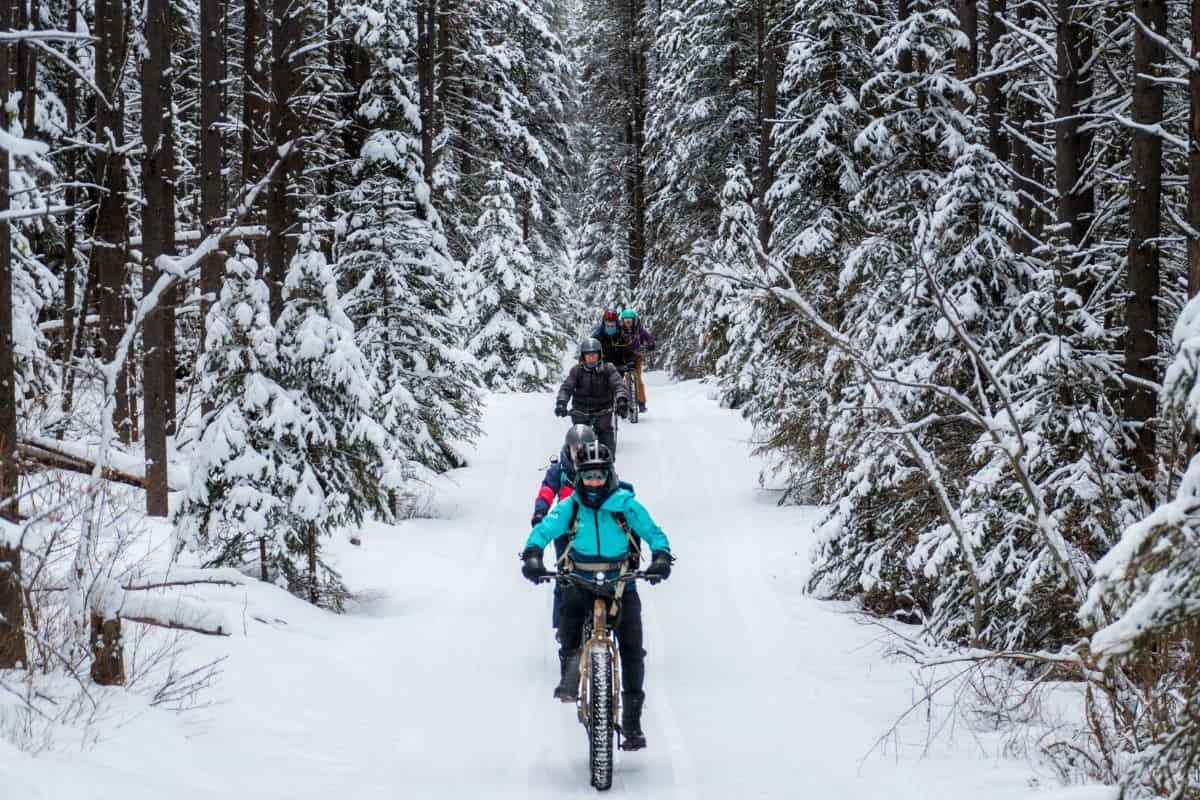
Guided Winter Rides in Banff
New to fat biking? A guided tour is an easy way to learn basics like shifting, snow handling, and balance. Guides also know which trails are riding well that day.
Fat Biking in Canmore
Canmore may be the most reliable place in the Bow Valley to find excellent winter riding. Foot traffic keeps many of the town’s pathways naturally packed.
Start with the Bow River Pathways near the Engine Bridge. These wide trails are straightforward and scenic, stretching from downtown to the Three Sisters area.
The Rundle Forebay Reservoir also sees steady foot traffic. From there you can ride the Powerline toward Three Sisters or complete the loop in reverse.
Quarry Lake offers firm, heavily travelled routes, and the Mosquito Bite trail adds a short section of single track.
Canmore also has several single-track trails that work well in winter. The Horseshoe Loop, Guy Lafleur, Loki’s, and the Highline all see enough use to stay packed. Conditions vary, but many riders help keep these trails in rideable shape.
For groomed, designated winter routes, head to the Canmore Nordic Centre. Trails such as EKG, Odyssey, and Long Road to Ruin are maintained for fat biking. Rentals are available on-site, and you can check current grooming updates through CAMBA.
Fat Biking in Kananaskis
Kananaskis offers an impressive variety of winter trails, many of which are shared with snowshoers and hikers.
The Ribbon Creek area near Kananaskis Village has several packed snowshoe trails, including the well-known Troll Falls route. These are fun and approachable when conditions are firm.
The Bill Milne Trail is another shared winter route. It’s groomed and trackset, but still wide enough for fat bikes.
Further into Peter Lougheed Provincial Park, the High Rockies Trail connects several winter loops. The Penstock Loop, Sawmill Loop, and Lower Kananaskis Lake area become ridable through the season when packed down by snowshoers.
Spray Valley Provincial Park is home to the Watridge Lake winter trail, a popular multi-use route. You can ride to Watridge Lake and make the short walk to Karst Spring while your bike waits at the junction.
For riders seeking groomed winter trails, West Bragg Creek is a standout destination. Volunteers maintain a dedicated network for fat biking, with routes for all skill levels. Consider donating if you use these trails regularly.
What to Bring on a Winter Ride
Good preparation keeps winter riding pleasant. The first essential is tyre choice. The Bow Valley sees frequent freeze-thaw cycles, and studded tyres provide crucial grip on icy patches.
Your hands and feet will cool quickly. Pogies keep your hands protected from wind and snow, allowing you to use lighter gloves for better control. Toe warmers help when your feet chill after climbing.
For your pack, include:
Water
Bear spray
Snacks that won’t freeze
Extra layers
A repair kit and pump
First aid supplies
Hand and toe warmers
A headlamp
A power bank for your phone
Bring more than you think you’ll need. Winter can change quickly, and having backup layers is always reassuring.
What to Wear for Fat Biking
Layering is key. You’ll generate a lot of heat on climbs, then lose it quickly when the trail levels out.
Start with a breathable base layer. Add a warm mid-layer and a wind-resistant shell. On very cold days, swap the mid-layer for a lightweight down jacket.
A bike helmet works for most days when paired with a buff or thin toque. When temperatures drop below -10°C, a ski helmet may feel more comfortable.
Pogies paired with thin gloves keep your hands warm and functional. Pack a thicker pair for rest breaks. For your feet, use winter boots and wool socks with toe warmers. Soft-shell pants are ideal because they move easily and shed wind and snow.
Winter Trail Etiquette
Good etiquette helps keep winter riding accessible for everyone. Yield to other trail users and follow posted signs. Never ride on classic ski tracks.
Groomed fat bike trails typically require tyres wider than 3.8 inches with low pressure. Skinny tyres leave deep ruts that freeze and ruin the trail. Warm weather also softens snow, so if you’re sinking more than a couple of centimetres, turn around and come back another day. Respect grooming efforts and stay on designated winter routes.
Where to Rent Fat Bikes
Several local shops rent fat bikes each winter.
In Canmore, visit Trail Sports at the Nordic Centre or Rebound Cycle.
In Banff, Snowtips-Bactrax offers rentals.
In Lake Louise, stop by Wilson Mountain Sports.
In Kananaskis, visit Kananaskis Outfitters.
Staying Safe on Winter Trails
Winter riding is incredibly rewarding, but it requires good preparation. Check avalanche forecasts if you’re heading into Kananaskis. Review weather conditions and make sure you have enough daylight for your return.
Download trail maps before leaving home. Cell service is unreliable in many areas. Apps like Trailforks are excellent, but only if the map is saved offline.
Ride with a partner when possible. Make noise to avoid surprising wildlife and always carry bear spray. If you go alone, tell someone your expected return time.
Pack extra layers, snacks, and hand warmers. A headlamp and power bank are small additions that make a big difference during short winter days.
The Joy of Winter Riding
Fat biking gives you a fresh perspective on familiar trails. Snow turns everyday routes into bright, quiet winter corridors, and the effort of pedalling warms even the coldest day.
Whether you’re cruising Banff’s lake views, exploring Canmore’s single track, or riding across Kananaskis’ forest trails, the experience feels genuinely Canadian.
If you get out on a ride, enjoy it. Those wide tyres have a way of making winter feel a lot friendlier.
FAQs: Fat Biking in Banff, Canmore and Kananaskis
Is fat biking hard in winter?
It depends on the trail conditions. Firm, packed snow makes winter riding smooth and surprisingly quick. Soft snow or fresh powder makes it much harder and often means pushing your bike.
Where is the easiest place to fat bike in Banff?
Fenland Trail and Vermilion Lakes Road are gentle places to start. When conditions are packed, the Spray River East Trail is also beginner-friendly.
Are there groomed fat bike trails in Canmore?
Yes. The Canmore Nordic Centre grooms specific trails for fat biking, and CAMBA shares regular condition updates. Quarry Lake and the Bow River Pathways also stay naturally packed by foot traffic.
Can I ride single track in winter?
Many single-track trails in Canmore stay packed enough for fat biking, including Guy Lafleur, Loki’s, the Horseshoe Loop, and the Highline. Conditions vary, so check recent reports before heading out.
What should I wear for fat biking?
Dress in layers you can add or remove easily. A warm base layer, mid-layer, and windproof shell work well. Pogies keep your hands warm, and toe warmers help with cold feet. Soft-shell pants make pedalling easier.
Do I need studded tyres?
Studded tyres are recommended. Freeze-thaw cycles create icy patches on many Bow Valley trails, and studs give you much better grip and control.
Can I fat bike on ski trails?
Only on shared-use trails that allow fat bikes. Never ride on classic ski tracks and always follow posted signage. If a trail is for skiing only, move on to another winter route.
Where can I rent a fat bike?
Canmore rentals are available at Trail Sports and Rebound Cycle. In Banff, check Snowtips-Bactrax. Lake Louise has rentals at Wilson Mountain Sports, and Kananaskis Outfitters serves the Kananaskis Village area.
Is fat biking allowed in Kananaskis?
Yes. Many shared winter trails are open to fat bikes, including routes around Ribbon Creek, the Bill Milne Trail, the High Rockies Trail, and the Watridge Lake area. Conditions must be firm enough to avoid rutting.
What safety steps should I take?
Check trail and avalanche conditions before leaving. Bring extra layers, snacks, a headlamp, bear spray, and a downloaded map. Ride with someone if possible, and tell someone your plans.


