
Avalanche Safety in Banff: A Winter Guide for Visitors
The Rockies snowpack builds weak sugary layers near the ground, and the slab on top can look fine right up until it isn't. Which terrain to avoid, why a familiar summer trail like Lake Agnes is a different proposition in February, and the Class 1 routes that stay clear of it entirely.

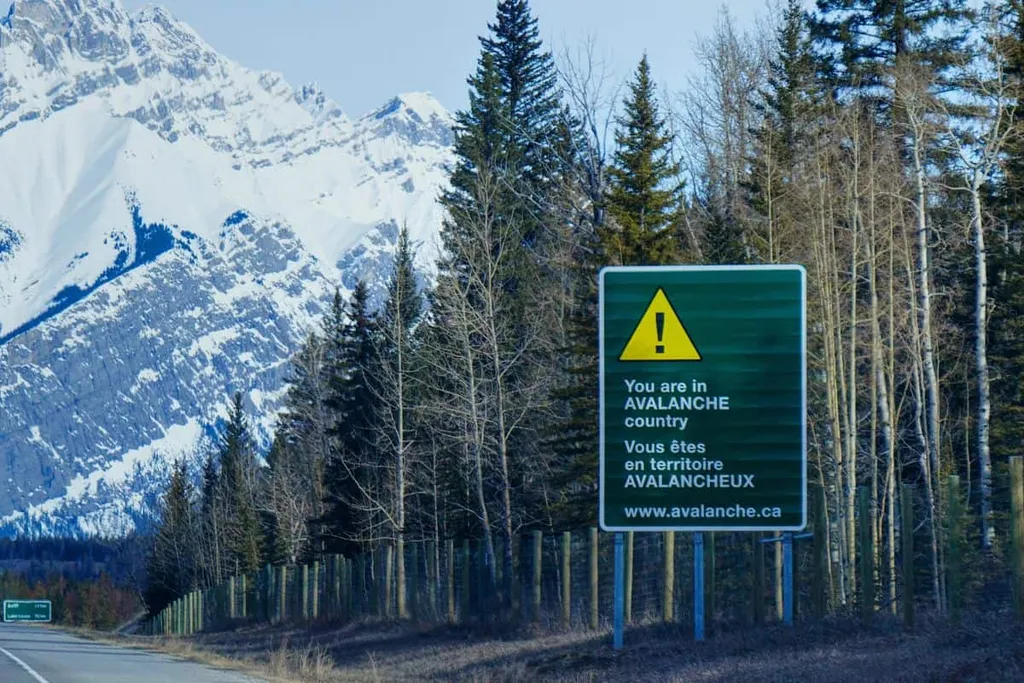
Winter in Banff looks peaceful enough, but the mountains have their own winter agenda. Avalanches are part of daily life here, and while they don't go looking for trouble, they also don't mind rearranging a slope or two when the mood strikes. Learning how to avoid their favourite hangouts is one of the easiest ways to enjoy winter without having your holiday interrupted by physics. You don't need a science degree for any of this - just a bit of mountain awareness and the willingness to stay on the right trails.
Why Avalanches Love the Rockies So Much
Banff sits in something called a continental snowpack, which sounds very official but basically means the snow is cold, shallow, and slightly dramatic. Weak layers form down low because the ground is warmer and the air above is colder. The snow near the ground turns into tiny, sugary crystals that don't like holding anything up. Think of it as building a house on a layer of cornflakes and hoping for the best.
When new snow piles on top, it forms a solid slab perched on a fragile base. Everything looks great until someone steps on the wrong spot and the whole structure gives way. The tricky part? These weak layers are shy. You don't always get loud clues like cracking or whumpfing before a slope decides to release. Sometimes the only warning you get is the avalanche itself, which is not ideal as warnings go.
Avalanche Terrain: Where the Trouble Lives
Avalanche terrain isn't about how the day feels, how blue the sky is, or whether your snowshoes seem "grippy." It's about the shape of the land. Parks Canada uses the Avalanche Terrain Exposure Scale (ATES) to classify terrain: Simple, Challenging, or Complex.
Simple terrain stays out of avalanche paths and is where most winter visitors belong. Challenging and Complex terrain involve steep open slopes, bowls, or terrain traps where even a small slide can send you somewhere you'd rather not visit.
The clearest example? Lake Agnes. In summer, it's a classic family hike complete with teahouse rewards. In winter, the same path crosses steep avalanche slopes below Mount St. Piran and the Big Beehive. A tragic avalanche in 2014 showed how easy it is to follow a familiar summer route straight into a winter hazard. Tent Ridge and Ha Ling Peak follow the same pattern: wonderful in summer, a little too spicy in winter.
If a trail shows up in thousands of summer vacation photos, that tells you absolutely nothing about what it's like in February.
Roads With Attitude
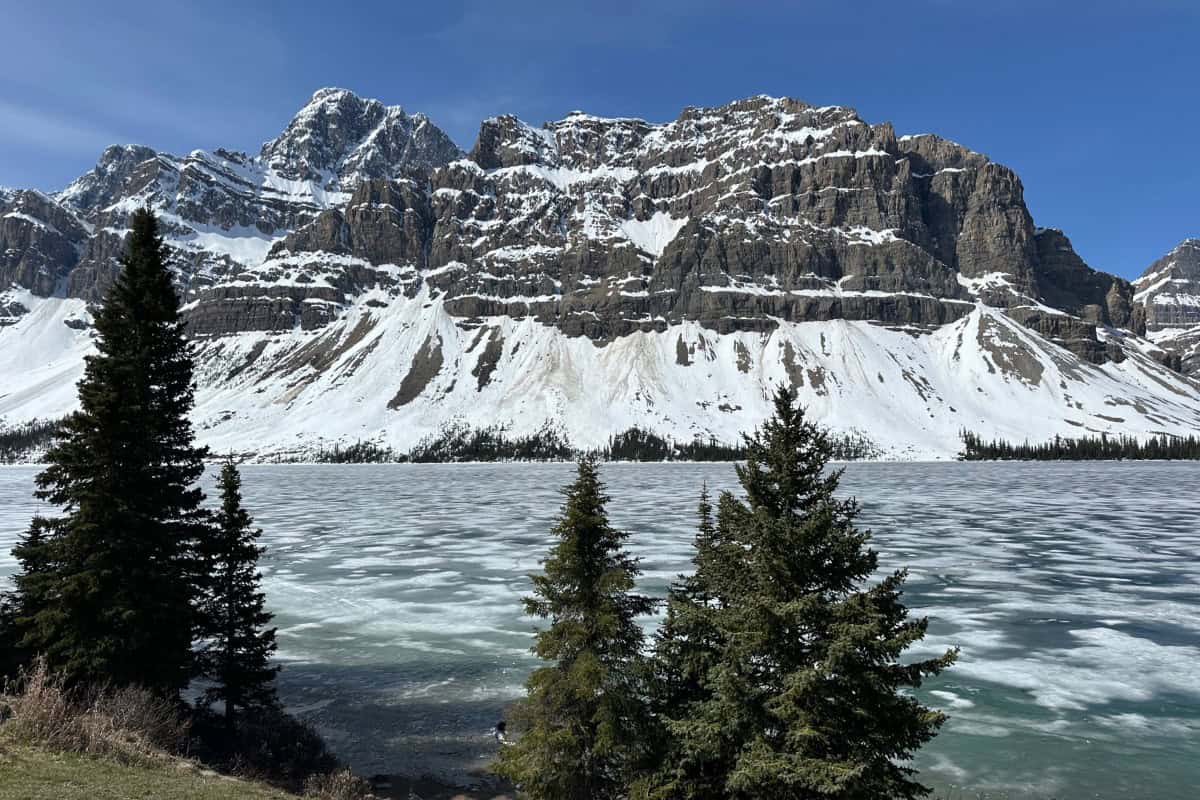
Avalanche paths don't stop at the treeline. They cross major roads, too. The Icefields Parkway (Highway 93 North) weaves through roughly 38 avalanche paths between Lake Louise and Jasper. Some drop off big, confident mountains like Mount Hector with enough force to bury the highway. Parks Canada closes parts of the road during storms to bomb the slopes with explosives, which is both impressive and a very good reason not to ignore closure gates.
You'll also see No Stopping signs in certain areas. These aren't gentle suggestions. They're placed in spots where stopping would make you a very slow-moving target. Highway 40 in Kananaskis takes the guesswork out entirely by closing for the winter from December 1 to June 15. When avalanche paths outnumber safe places to stand, closing the road is the simplest solution.
What We've Learned From Recent Avalanches
Avalanche incidents between 2020 and 2025 show a few repeating patterns. Persistent weak layers like to stick around for long stretches, showing up in early winter and reappearing whenever they feel underappreciated. Terrain traps also play a big role. Many runout zones end in forests or gullies, which means trauma is more common in Rockies avalanches than in some other mountain ranges.
A recurring issue? People travelling in avalanche terrain without proper gear. Avalanche debris sets like concrete. Digging through it with bare hands or snowshoes is like trying to excavate a sidewalk with a salad fork. Sidecountry terrain near ski resorts, such as Pipestone Bowl at Lake Louise, has also caused serious incidents despite its easy access. Proximity to a chairlift does not equal safety.
Safe Places for Snowy Fun
The good news is that Banff, Jasper, and Kananaskis have plenty of gorgeous winter trails that avoid avalanche terrain entirely. These Class 1 options keep you well clear of steep slopes.
Banff
Johnston Canyon (Lower Falls)
Tunnel Mountain
Fenland Trail and Marsh Loop
Kananaskis
Hogarth Lakes
Troll Falls
Chester Lake (designated snowshoe trail only)
The official Chester Lake snowshoe trail stays safely in Simple terrain, but wandering beyond the lake puts you directly into avalanche country.
Jasper
Lake Annette Loop
Maligne Canyon (upper bridges)
Safer Spots for Photographers
If you're here for the views, some of the best winter photography locations are avalanche-free: Vermilion Lakes, Two Jack Lake, Castle Mountain Junction, and Abraham Lake. Save spots like Moraine Lake Road and the lower slope at Peyto Lake for summer. They sit right under big avalanche paths in winter.
The Short Version
Avalanche safety in Banff comes down to choosing the right terrain and respecting the realities of winter. You don't need avalanche gear on Class 1 trails, but you do need to assume that anything involving steep snow, bowls, or open faces is avalanche terrain until proven otherwise. If you aren't trained or equipped, pick a safer route. There's no shortage of beautiful places that won't surprise you with a moving hillside.
With a bit of awareness and a healthy respect for winter, you can enjoy Banff's snow-covered landscapes with confidence - and leave the avalanche terrain to the folks with the gear, the training, and the strong desire to climb slopes that tilt more than your kitchen table.
FAQs: Avalanche safety in Banff
Why are avalanches so common in Banff?
Because the Rockies have a continental snowpack with cold temperatures, shallow snow, and weak layers near the bottom, these weak layers can last for weeks and collapse unexpectedly.
Are popular summer trails safe in winter?
Not necessarily. Trails like Lake Agnes, Tent Ridge, and Ha Ling cross avalanche terrain once they're snow-covered, even though they're simple in summer.
Why are there No Stopping signs on the Icefields Parkway?
They mark active avalanche paths. A moving vehicle is exposed only briefly, but a parked one sits in the danger zone far longer.
Is Highway 40 really closed all winter?
Yes. The section to Highwood Pass closes from December 1 to June 15 every year because the avalanche hazard is too high to manage safely.
Do avalanches always give warning signs?
Not in the Rockies. Persistent weak layers often fail with no cracking or settling beforehand. The first sign of trouble may be the avalanche itself.
Are there safe winter trails that avoid avalanche terrain?
Yes. Options like Johnston Canyon, Tunnel Mountain, Hogarth Lakes, Troll Falls, Chester Lake's designated route, Lake Annette Loop, and parts of Maligne Canyon stay out of avalanche terrain.
Is sidecountry terrain near ski resorts safer?
No. Areas just outside boundaries, like Pipestone Bowl at Lake Louise, are uncontrolled and behave like regular backcountry avalanche terrain.
Do I need special equipment for avalanche terrain?
Yes. Anyone entering Class 2 or 3 terrain needs a transceiver, probe, and shovel, plus proper training. Class 1 trails do not require this gear.


