
Banff in June: An Insider Guide to the Rockies
June is when Banff properly wakes up. Snow retreating off the valley floor, the longest days of the year, and shoulder season prices for most of the month, until the last week when everything shifts up a gear. Weather, packing, Moraine Lake shuttles and what to book early.


Moraine Lake is open for the season; book your shuttle reservation through Parks Canada as soon as possible; spots go quickly. The Banff Farmers Market returns to Central Park every Wednesday from May 20. The Bow Valley Parkway wildlife corridor is active - check current seasonal closure schedules before you drive it.
June is when Banff properly wakes up. Snow is retreating from the valley floors, wildflowers are starting to push through, and the days are long enough to fit an embarrassing amount into them. It is not peak summer yet, which means crowds are manageable for most of the month - until the last week, when everything shifts up a gear.
It is also a month of transitions. Trails that were buried in snow in May are opening week by week. Moraine Lake access begins.
If you have flexibility on timing, early June is excellent. Late June is already starting to feel like July, complete with the crowds to match.
🥾 For Hikers – Johnston Canyon Trail.
🏔️ For Iconic Views – Moraine Lake & Lake Louise.
🚡 For Summit Views – Banff Gondola.
Weather, Daylight and What to Pack for June
What to Expect: Conditions and Temperatures in June
June in Banff sits in a useful middle ground. Winter is gone from town, but is still very much present on the high passes and upper trails. You can hike in a T-shirt in the afternoon and feel properly cold by evening. The mountains do not follow the same weather rules as the town below them, so what looks fine from Banff Avenue can be very different at 2,000 metres.
Rain arrives more regularly in June than in the shoulder months. Afternoon showers are common, sometimes brief, sometimes less so. The mornings tend to be the clearest part of the day, which is a good reason to move early and save town-based activities for the afternoon when the sky starts making up its mind.
Temperature
Daytime highs typically land between 15 °C and 20 °C in the valley. Cooler days with highs around 10 °C are not unusual, particularly in early June.
Evening temperatures drop noticeably once the sun dips behind the mountains, often falling to 3 °C or 4 °C even on warmer days. Higher elevations will be significantly colder - factor in at least 5 °C to 7 °C cooler than town when planning any activity above the treeline.
Daylight Hours
June has the longest days of the year, peaking around the summer solstice on 21 June. Sunrise is around 5:20 am, and sunset is around 9:50 pm at the solstice. That gives you well over 16 hours of usable daylight.
The practical upside is that there is no rush to be anywhere by a fixed time, and golden hour in the evening stretches long enough to actually be useful. The downside is that the light can fool you into thinking you have more time than you do when you are deep in the backcountry.
Precipitation
June is one of the wetter months in the Rockies. Expect rain two to three times a week on average, often as afternoon thunderstorms that roll in without much ceremony. Snow is still possible on higher passes, particularly in early June.
Roads are generally clear, but trails at higher elevations may have lingering snow on north-facing slopes. Check trail conditions with Parks Canada before heading out.
The Essential June Packing List
Daytime
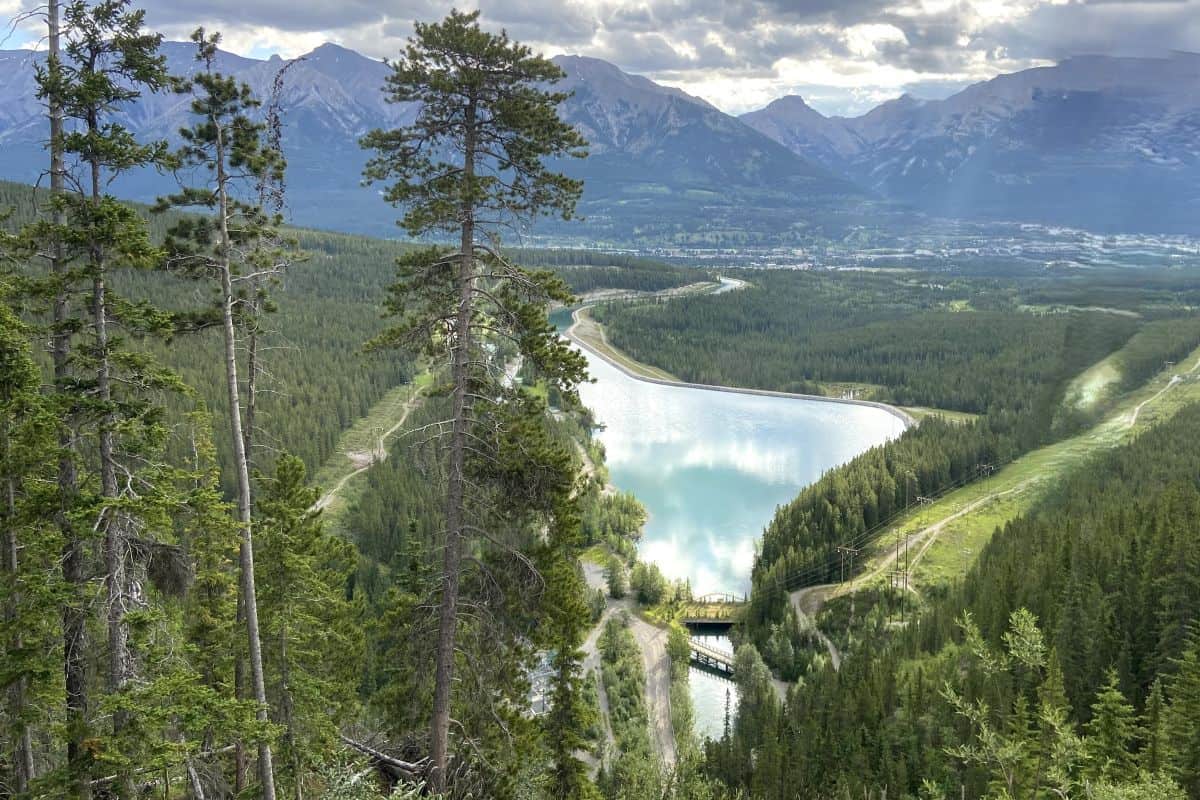
A light base layer paired with a mid-layer fleece gives you flexibility for most June days. Mornings can feel winter-like before the sun is fully up. By midday, it is often warm enough for just a T-shirt in town. The gap between those two states is wide enough that layering is not optional - it is just how June works here.
Evenings and Mornings
Bring a proper jacket for evenings. A down or synthetic insulated layer that packs small is worth every gram of weight. Mornings at viewpoints and trailheads can be cold and breezy, and there is nothing more demoralising than shivering through a sunrise you drove an hour to see.
Activity Gear
A waterproof shell jacket is essential in June. Not a rain cape, not a packable windbreaker - something that will actually keep water out for an extended period. Trekking poles are worth considering for trails that may still have patchy snow and slippery mud. A small daypack with room for layers and a packed lunch covers most day hikes without drama.
Footwear
Waterproof hiking boots are the right call for June. Trails can be wet, muddy, and occasionally snowy at altitude. Low-cut trail runners are fine for dry valley-floor walks but may let you down on anything longer or higher. Pack a pair of comfortable shoes or sandals for evenings in town.
Essentials
Sunscreen is non-negotiable. The combination of altitude and long days means UV exposure is higher than it looks. A sun hat and sunglasses are worth carrying even on cloudy days. Lip balm with SPF is something people consistently forget and consistently regret. Insect repellent becomes relevant from June onwards, particularly near wetlands and rivers.
Accommodation in June
A Word on June Pricing
June sits in a transitional pricing period. Early June is still considered shoulder season by most properties, which means rates are noticeably lower than in July and August. From around mid-June, prices start climbing.
The last week of June and the Canada Day long weekend are firmly peak pricing territory - book those well ahead if you are travelling then, unless you enjoy staring at four-figure nightly rates in mild shock.
Where to Stay in Banff in June
The main choice is between staying in Banff townsite, in Canmore, or out near Lake Louise. Banff gives you the most walking access to restaurants and the gondola.
Canmore is quieter and often cheaper, roughly 20 minutes from Banff by road. Lake Louise puts you close to the lake itself, but requires a car for almost everything else.
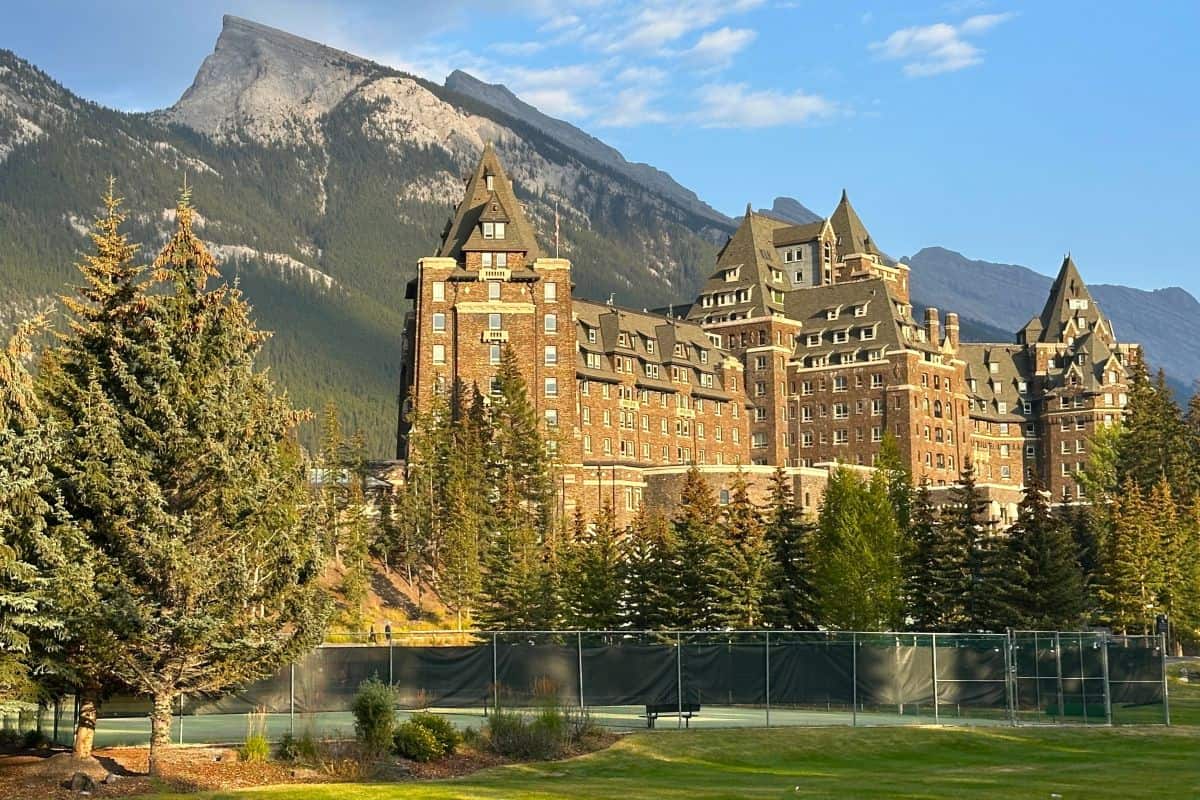
Fairmont Banff Springs
Price range: $$$$$
Location: Banff Townsite
Pool / Spa: Indoor and outdoor pools; hot tub; full-service spa
Parking: On-site parking (paid)
Pet-friendly: Yes
Best for: Luxury stays; special occasions; spa breaks; families
The Banff Springs is at its best in summer, when the grounds are green, and the mountain views are unobstructed. June rates are somewhat lower than July and August, making it a more reasonable window to try it if the budget stretches. Booking ahead is still necessary - it fills up quickly, particularly on weekends.
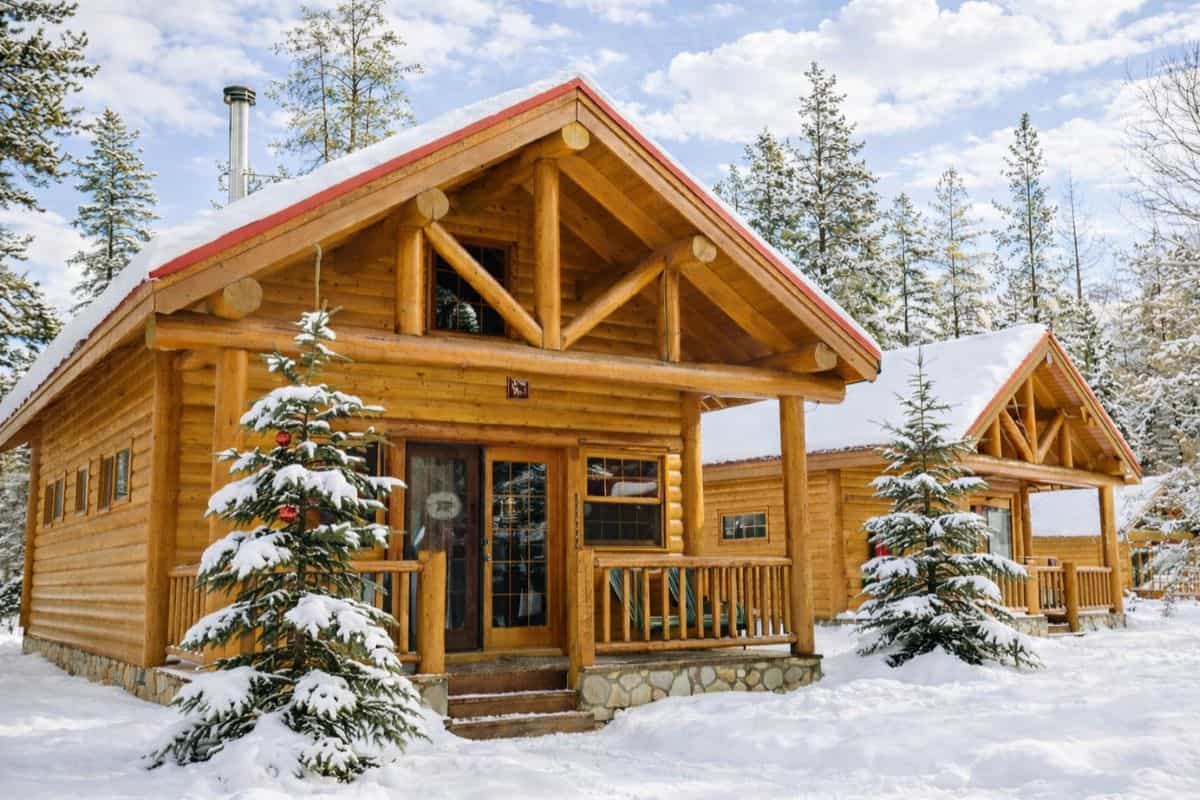
Baker Creek By Basecamp
Price range: $$$-$$$$
Location: Banff National Park
Pool / Spa: Sauna
Parking: On-site parking (free)
Pet-friendly: Yes (dogs; fee applies)
Best for: Quiet cabin-style stay; couples; relaxed getaway between Banff and Lake Louise
Baker Creek sits along the Bow Valley Parkway between Banff and Lake Louise. It is a good choice for couples or anyone who wants a quieter base away from town. You need a car. In June, the surrounding forest is coming back to life, and the parkway itself is one of the better wildlife-watching corridors in the park.
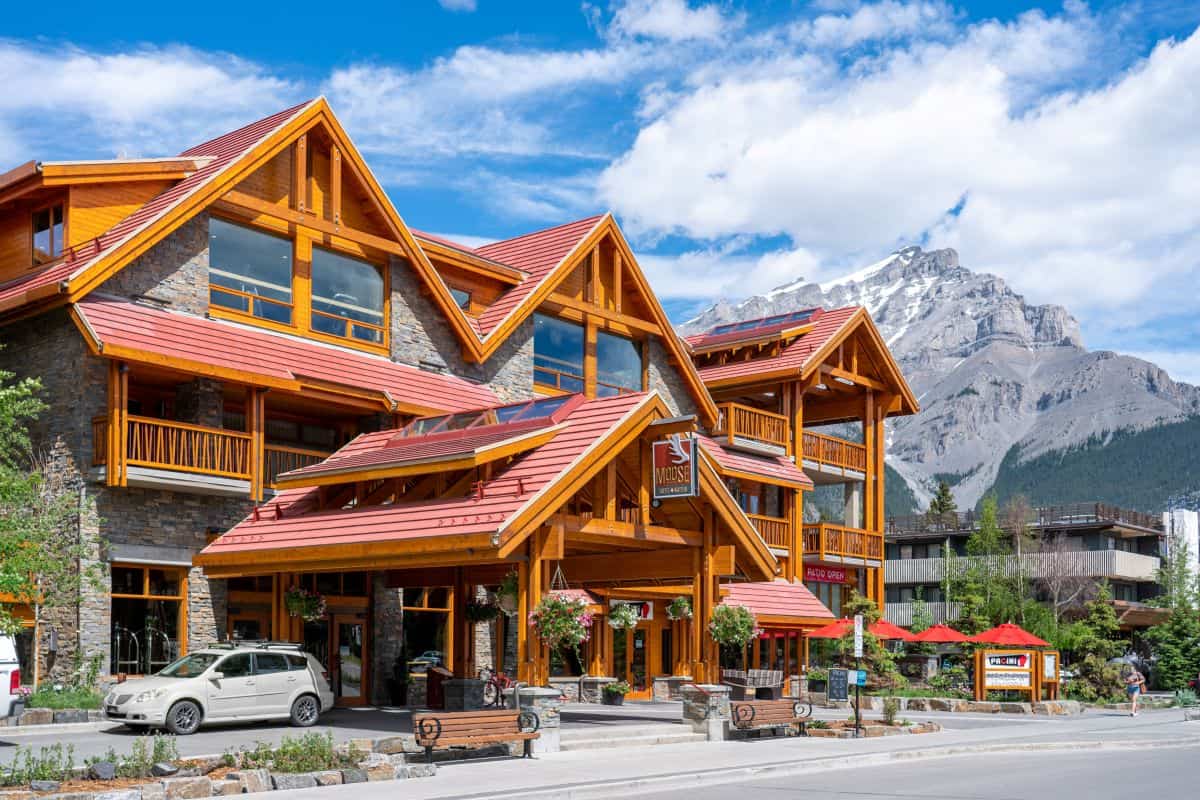
Moose Hotel & Suites
Price range: $$$$
Location: Banff Townsite
Pool / Spa: Indoor pool; rooftop hot pools; spa
Parking: On-site parking (free)
Pet-friendly: Yes
Best for: Banff Avenue location; couples; modern rooms and suites
The Moose Hotel is centrally located in Banff and offers rooftop hot pools, which are particularly satisfying after a full day on trails that were more mud than path. It is a solid mid-range option that gives you walking access to restaurants and shops without the Fairmont price tag.
The Reality of Banff in June: What to Expect
How Busy Is Banff in June?
Early June is a pleasant time in terms of crowd levels. The school holidays have not started, and the summer rush has not fully arrived.
You can visit popular spots like Johnston Canyon and the Banff Gondola without queuing for an uncomfortable length of time. From around mid-June, numbers build steadily. By the last week of June, expect summer-level crowds at the most popular attractions.
Weekends are consistently busier than weekdays throughout the month. If you have the flexibility to travel Monday to Thursday, you will have a noticeably different experience than arriving on a Friday or Saturday. The park does not shrink in size, but it can feel like it does on a July weekend.
Travel Considerations in June
Most major roads are open by June, including the Icefields Parkway. Some higher mountain passes can still see brief closures after heavy snow events, particularly in early June.
Check the Alberta 511 road conditions site before driving any high-elevation routes. Backcountry trails and campgrounds open progressively through June as snow melts - check Parks Canada for specific opening dates rather than assuming.
The Shuttle Advantage: Let Someone Else Drive
Lake Louise and Moraine Lake are the main pressure points in June. The Moraine Lake shuttle reservation system is in full operation, and self-drive access is not permitted.
Theoretically, Lake Louise allows you to park near the lake. However, in 2025, 75% of vehicles were turned away because the car park was full.
Shuttles from Banff and the Lake Louise overflow lot are the practical solution. Book shuttle tickets in advance once you know your dates - this is not the sort of thing to leave to the morning of.
Roam Public Transit
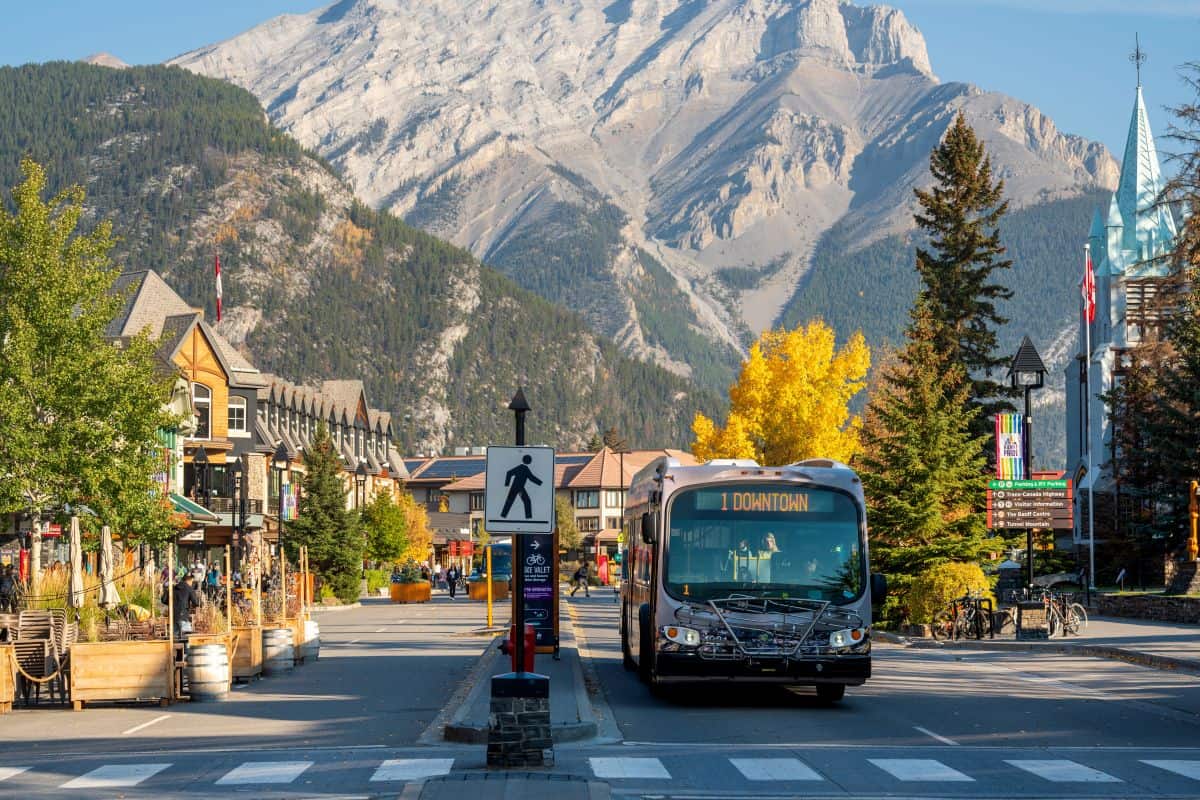
Roam Transit runs its summer schedule in June, with routes connecting Banff townsite, the Banff Gondola, and Lake Louise. The Lake Louise route is particularly useful for removing the parking headache at the lake itself. Roam is inexpensive, runs frequently enough to be practical, and means you do not have to negotiate a parking lot at 7 am on a Saturday.
The Golden Rule for June: Start Early, Finish Smart
Starting early in June is less about beating the heat and more about beating the crowds and making the most of stable morning weather. Afternoons frequently bring cloud build-up and rain. Getting to Lake Louise or Moraine Lake by 7 am is not as punishing as it sounds when sunrise is before 5:30 am - the alarm clock is the hard part, not the dark.
Moraine Lake: What You Need to Know
Moraine Lake typically opens in late May or early June, depending on snowpack. Once open, it operates under a reservation and shuttle system.
Book your shuttle through the Parks Canada reservation system as early as possible - spots go quickly, and the lake does not get less popular just because the logistics are complicated.
Best Things to Do in Banff in June
Lake Louise in June
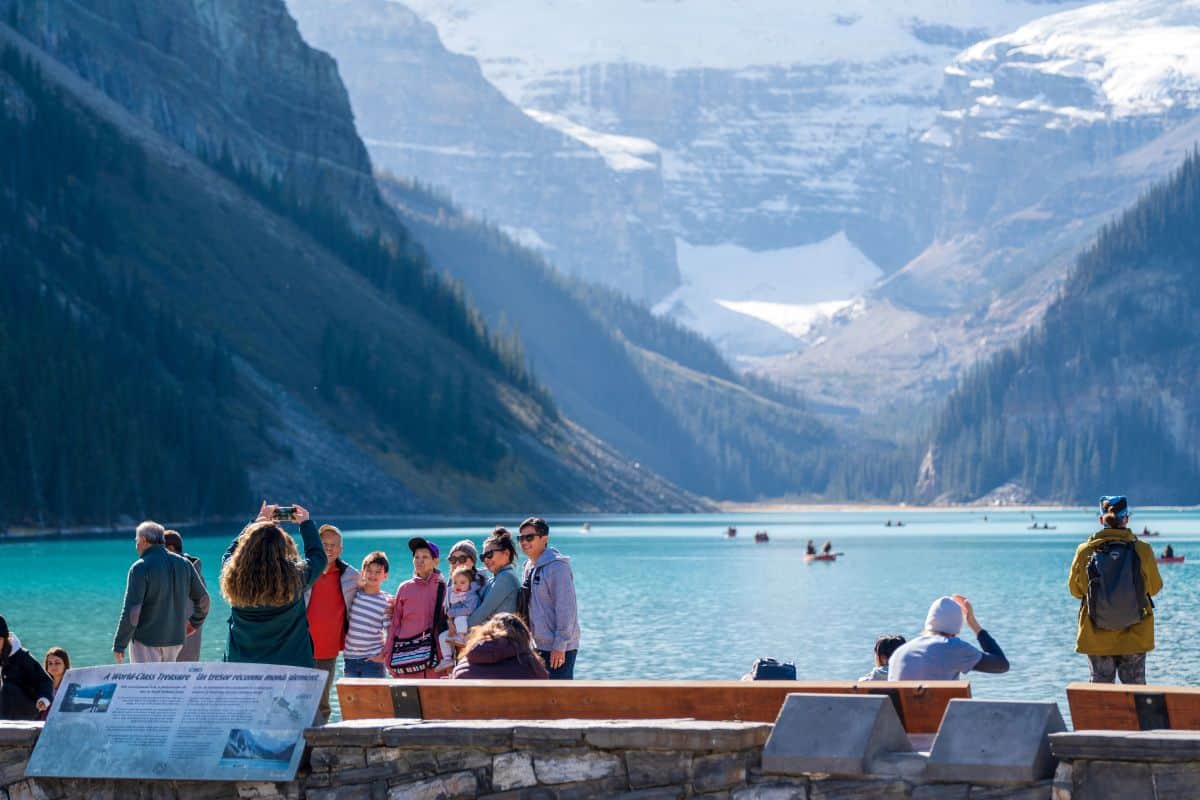
Lake Louise in June has a colour that requires some restraint to describe without sounding excessive. The glacial meltwater produces a vivid turquoise that shifts through the day as the light changes. The lake is usually accessible by early June, though surface ice may still be breaking up in the first couple of weeks.
The walk along the lakeshore is flat and well-maintained. For more elevation, the Plain of Six Glaciers trail extends from the far end of the lake and gives a proper sense of the scale of the place.
Aim to arrive early and check the " How to Get to Lake Louise " guide for current access options before you set off.
Banff Upper Hot Springs
The hot springs are a reliable choice year-round, and June is no exception. After a long day hiking on trails that were still damp and muddy in places, sitting in 39 °C water while looking at snow-capped mountains is a satisfying end to the day. The springs are busy in the late afternoon, particularly on weekends. Midmorning tends to be quieter, and the water temperature is identical regardless of when you arrive.
Lake Minnewanka in June
The Lake Minnewanka boat cruise typically resumes in June. The lake is the largest in Banff National Park and stretches deep into the mountains. The cruise gives you views that are not accessible on foot. Fishing is also popular here - the lake holds lake trout and Rocky Mountain whitefish. The walking trails around the lake are accessible and generally snow-free by mid-June.
Banff Gondola (Sulphur Mountain)
The Banff Gondola is open year-round, and June is one of the better months to ride it. The summit views include a mix of lingering snow on distant peaks and vivid green slopes in the valley below - a combination you only get for a few weeks each year. Clear mornings give the best visibility. The boardwalk at the top connects several viewpoints and takes around 30 to 40 minutes at a relaxed pace.
Johnston Canyon
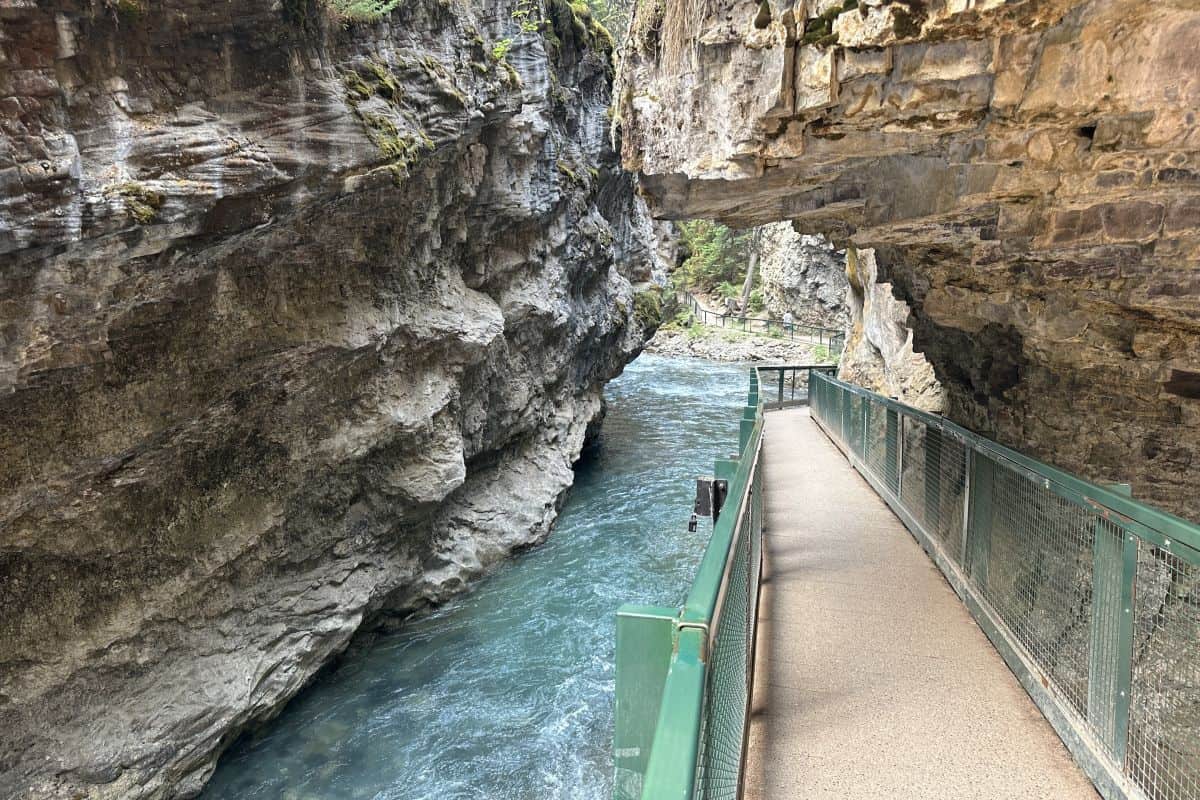
Johnston Canyon is one of the most visited trails in the park, and the high water volumes of June are precisely why. The canyon trail follows a series of catwalks bolted to the canyon walls, leading to two waterfalls - the Lower Falls at around 1.1km and the Upper Falls at 2.7km. The falls are at their most dramatic in late spring and early summer when snowmelt is still feeding them. Go early to avoid the crowds, because by mid-morning, the catwalks can feel more like a conga line than a hike. The Johnston Canyon trail guide has the details.
Hiking Season Opens
June is when the main hiking season properly begins in Banff. Valley-floor trails are clear and accessible throughout the month. Mid-elevation trails open progressively as the snowpack melts. High-alpine routes may still require microspikes or an ice axe in early June - check current conditions before committing to anything above the treeline, because lingering snow has a way of changing your plans very efficiently.
Bow Valley Parkway
The Bow Valley Parkway runs between Banff and Lake Louise through prime wildlife habitat. In June, bears are active along the corridor, and it is one of the better places in the park for wildlife watching from a vehicle. The parkway has a wildlife closure in certain sections during sensitive periods - check current restrictions before you drive it, as they can change without much notice.
Banff Half-Marathon
The Banff Half-Marathon on 14 June 2026 runs through the national park with mountain backdrops that most race courses can only imagine. There is a 10K option for those who would prefer to suffer slightly less. If you are not running, the race creates a lively atmosphere in town. See the Banff running events page for registration and other races in the area.
Banff Jasper Relay
The Banff Jasper Relay on 6 June 2026 sends teams of runners along the full 260-kilometre length of the Icefields Parkway. It is a logistically impressive event and a community institution for people who run in the Rockies. Spectating from roadside viewpoints is a perfectly legitimate way to experience both the relay and the parkway simultaneously - and considerably less exhausting than participating.
Northern Lights: Possible, But Never a Promise
June is a difficult month for aurora viewing. The nights are extremely short around the solstice - with sunset near 10 pm and sunrise before 5:30 am, there are only a few hours of true darkness even on a clear night. Solar activity is the bigger variable, but even a strong forecast is hard to capitalise on with such limited dark time. If the aurora is important to your trip, autumn or winter are far more reliable seasons for it. A local guide will give you the best chance of success.
Wildlife and Nature in Banff in June
Bears
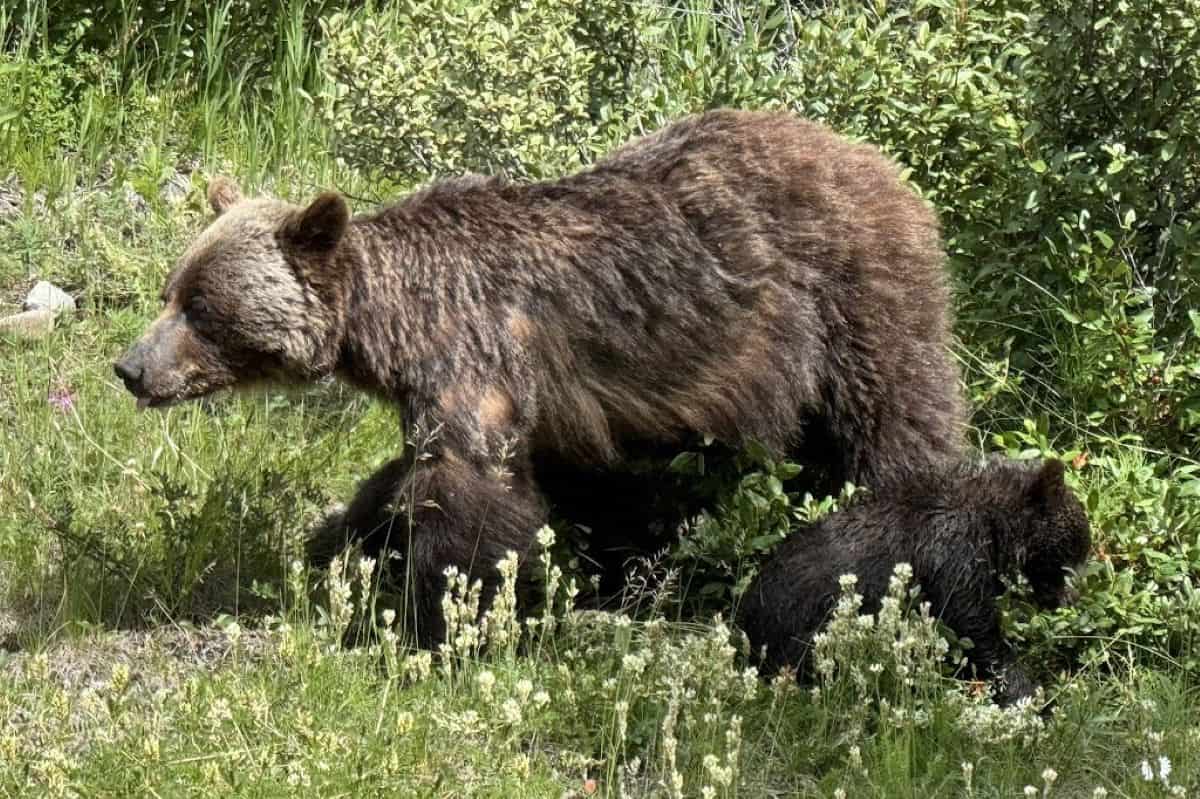
Bears are active throughout June. Grizzlies are particularly visible in the early part of the month when they are foraging on vegetation in open areas at lower elevations. Black bears are common in the Bow Valley and montane zone. Always carry bear spray and know how to use it before you find yourself needing to recall the instructions. Keep 100 metres of distance from grizzlies and from black bears at a minimum. The bear safety guide covers everything you need to know.
Elk Calving Season
June is elk calving season, which means cow elk can be protective and unpredictable near their calves. Cows occasionally use the edges of the Banff townsite and surrounding meadows to shelter newborns - an arrangement that suits them considerably more than it suits pedestrians trying to get to the car park. Give them significant space and do not approach. The elk safety guide is worth reading before arrival.
Wildflowers
The lower valleys and montane meadows begin their wildflower display in June. Yellow glacier lilies are often among the first to appear, sometimes pushing up through the last patches of snow. Calypso orchids show up in shadier forested areas. By late June, the meadows are building toward their summer peak. Early morning light on wildflower meadows with mountain backdrops is one of the more rewarding sights the Rockies offer - no qualifications required.
Wolves
Wolves are present in Banff National Park and occasionally spotted in the Bow Valley corridor, particularly in the quieter western sections near the Bow Valley Parkway. Sightings are not common but do happen. Wolves in the park are generally not habituated to people and will move away if given space. If you do encounter one at close range, the wolf safety guidance covers what to do.
Migratory Birds
June marks the peak of the breeding season for many bird species in the Rockies. Warblers, thrushes, and sparrows are active and vocal in the forests and shrubby areas along river corridors. The wetlands near Lake Minnewanka and the Vermilion Lakes are good spots for waterfowl, including common loons and various duck species. Ospreys nest along the Bow River and are often visible fishing - they are considerably more efficient at it than most visitors who try their luck at Minnewanka.
Scenic Drives and Day Trips from Banff in June
Icefields Parkway
The Icefields Parkway is fully open in June and at its most dramatic, with snowmelt running off every cliff face and waterfall levels at their seasonal peak. The 230-kilometre route between Lake Louise and Jasper is one of the great mountain drives on the continent. Key stops include the Peyto Lake viewpoint, Bow Lake, Athabasca Falls, and the Columbia Icefield. Allow a full day if driving to Jasper and back, or two days if you want to stop properly rather than treating it as a race.
Important June Notes for the Icefields Parkway
Services along the parkway are limited. Fill up with fuel in Banff or Lake Louise before setting out. The Icefields Centre reopens in spring, but confirm hours before making it a primary stop. Weather can change rapidly on the high sections of the route - carry layers regardless of conditions in the valley. Wildlife is frequently spotted on or near the road, particularly in the early morning and evening. Pull over safely and do not stop in traffic lanes, however impressive the bear.
Yoho and Kootenay National Parks
Both parks are worth a day trip from Banff in June. Yoho is 80 kilometres west along the Trans-Canada Highway. Takakkaw Falls is one of the highest waterfalls in Canada and is at its most impressive in June when snowmelt is feeding it properly. Emerald Lake offers a flat trail around the lake with strong mountain views. Kootenay National Park to the south has the Marble Canyon trail and Paint Pots, both accessible and relatively uncrowded compared to the main Banff sites.
Events and Festivals in Banff in June
Banff Jasper Relay
On 6 June 2026, teams of runners tackle the full 260 kilometres of the Icefields Parkway between Banff and Jasper. The relay is a genuine community event that has been running for years and draws participants from across the Rockies. Whether you enter or just watch from a viewpoint, it is a good reason to be on the parkway that day.
Banff Half-Marathon
The Banff Half-Marathon on 14 June 2026 runs through the national park with half-marathon and 10K options. The route takes in mountain scenery that most city races cannot compete with. Registration fills up well in advance. It also adds a festive energy to the Banff townsite that weekend, even if you have no intention of running anywhere.
Banff Farmers Market
The Banff Farmers Market runs every Wednesday in Central Park from late May through to September. June is a good time to visit before the summer crowds discover it. Fresh produce, local baked goods, and handmade crafts from Bow Valley makers. Worth building a Wednesday morning around if you are in town.
Gran Fondo Jasper
On 6 June 2026, cyclists gather in Jasper for the Gran Fondo, with routes ranging from accessible to seriously demanding. Roads are closed for the event, making it a rare opportunity to cycle the parkway without traffic. Worth knowing about if cycling is part of your trip, or if you would simply like to watch people suffer beautifully through mountain terrain.
Local Tips to Travel Smarter in June
Book the Right Things Early
Moraine Lake shuttles and reservations sell out quickly - this is not an exaggeration. Book as soon as the Parks Canada reservation window opens if Moraine Lake is on your list. The Banff Gondola and Johnston Canyon guided walks can also fill up on busy days. Most Banff restaurants do not require advance booking except on weekend evenings, but that changes sharply in July.
Make the Most of Daylight
The long June days are one of the month's biggest assets. An early start to reach popular viewpoints before the crowds arrive is rewarded with better light, calmer conditions, and more wildlife activity. The evening window between 8 pm and 10 pm is exceptional for photography and unhurried walks. Plan something lower-key for midday when the light is flat, and the car parks are full.
Getting Around in June
Driving is the most flexible option for June. Parking at Lake Louise is restricted, so use the shuttle system where required. Roam Transit covers the main routes and is worth using for the Lake Louise run specifically. Getting from Canmore to Banff by Roam is easy and cheap if you are based in Canmore, and it removes the question of where to park entirely.
Dress for the Conditions, Not Just the Forecast
A sunny morning forecast in Banff in June is not a guarantee of a warm, dry afternoon. Conditions change quickly, particularly at altitude. Wind on ridgelines can make a 15 °C day feel significantly colder than it has any right to. Always carry a waterproof layer and an extra mid-layer in your pack, regardless of what the morning looks like when you leave the hotel.
Stay Flexible With Day Trips
June weather can close high passes and affect trail conditions without much warning. Build flexibility into your itinerary rather than committing every day to a fixed plan. If the Icefields Parkway is socked in with cloud on the day you planned to drive it, swap it for a town day and rearrange. The mountains are not going anywhere.
Wildlife Awareness
June is an active month for wildlife across the park. Bears with cubs, cow elk with calves, and other animals with young are present and can be reactive. Give all wildlife generous space. Never approach, never feed, and never try to get a closer photo than your zoom lens allows. Bear spray should be on your person, not at the bottom of your pack, whenever you are out of town.
Bear Country Awareness
June is prime bear season in Banff. Carry bear spray and know how to use it before you need it - a bear encounter is not the ideal moment to read the instructions. Make noise on trails, particularly near streams and through dense vegetation where visibility is limited. Travel in groups where possible. The bear safety guide covers the full protocol.
Hydration and Sun Protection
High UV levels and long days mean sun damage accumulates faster than expected. Apply sunscreen in the morning and reapply during the day. At altitude, cloud cover does not protect you from UV the way it might at lower elevations. Carry at least one litre of water per person for any hike over two hours. Streams and lakes look inviting and clean, but should be treated or filtered before drinking.
Know What Is and Is Not Open
Most main visitor attractions are open by June. Some backcountry huts and campgrounds open progressively through the month - check Parks Canada for specific dates rather than assuming. The Icefields Parkway is open, but services may have limited hours in early June. Moraine Lake is open, but access is managed - do not arrive and expect to park; the road is closed.
Leave No Trace
Banff receives millions of visitors each year, and June is when that pressure starts to build noticeably. Stay on marked trails. Do not cut switchbacks or trample vegetation to reach a better viewpoint. Pack out everything you bring in. The park looks the way it does because people take the rules seriously - and because rangers enforce them.
Why June Is a Great Time to Visit Banff
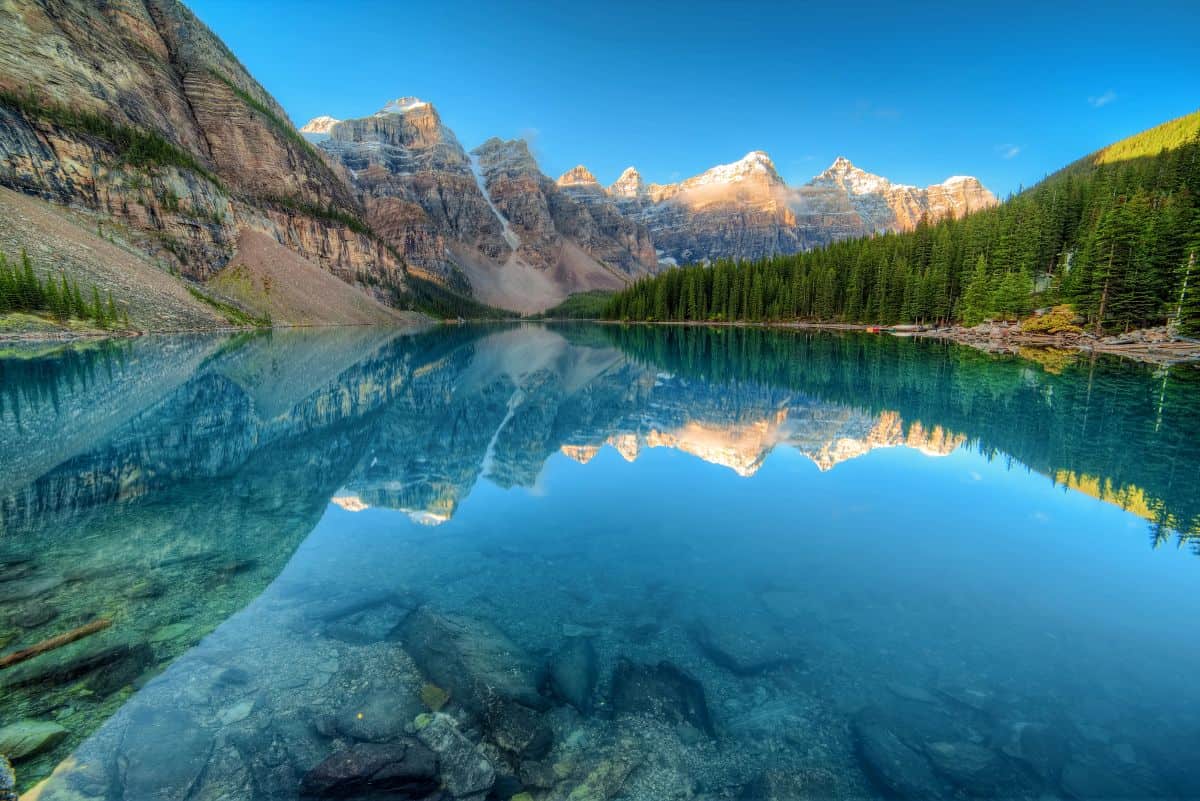
June is one of the most versatile months in Banff. The shoulder season pricing of early June, combined with rapidly improving trail access and exceptional daylight hours, makes it a strong rival to July and August for visitors who prefer not to share every viewpoint with several hundred other people.
The transition from spring to summer happens visibly throughout the month. Watching the snowline retreat up the peaks while the valleys turn green is a reminder that the Rockies operate on their own schedule, not the calendar's. There is something satisfying about visiting during a time of active change rather than waiting until the postcard version is fully assembled and the queues are around the block.
The one honest caveat is weather. June can be unsettled, and rain does feature. But if you dress properly, plan around the mornings, and stay flexible, it rarely derails a trip. The people who struggle in June are generally those who packed for July.
FAQs: Banff In June
Is June a good time to visit Banff?
Yes, particularly early to mid-June. Shoulder season pricing, building trail access, and long daylight hours make it a strong choice. Late June starts to feel like peak season in terms of crowds and prices.
How warm is Banff in June?
Typical daytime highs range from 15 °C to 20 °C in the valley. Evenings drop to around 3C to 8C. Higher elevations are significantly cooler. Rain and brief cold snaps are possible throughout the month, particularly in early June.
Is June busy in Banff?
Early June is relatively quiet. Mid-June sees crowds building steadily. The Canada Day long weekend at the end of June is one of the busiest periods of the year - book accommodation well ahead if you are travelling then.
What are the best things to do in Banff in June?
Lake Louise and Moraine Lake are at their best as the ice clears. Johnston Canyon is at its most dramatic with high waterfall volumes from snowmelt. The Icefields Parkway is open and rewarding. Hiking season opens progressively through the month, with more trails accessible each week.
Is June a good month for driving in Banff National Park?
Yes. The major roads are clear and open. The Icefields Parkway is fully accessible. High-elevation backcountry roads may still have snow or be opening progressively through the month. Check the Alberta 511 site for real-time road conditions before any drive that takes you to altitude.


