
Wolf Safety In Banff & Kananaskis: Smart Tips For Sharing The Trail
Banff carries four to six packs at any time and most visitors will never see one, which is how wolves prefer it. Trouble starts when they learn people mean food. Stay 100 metres back, secure everything with a smell, and know what to do if one approaches.

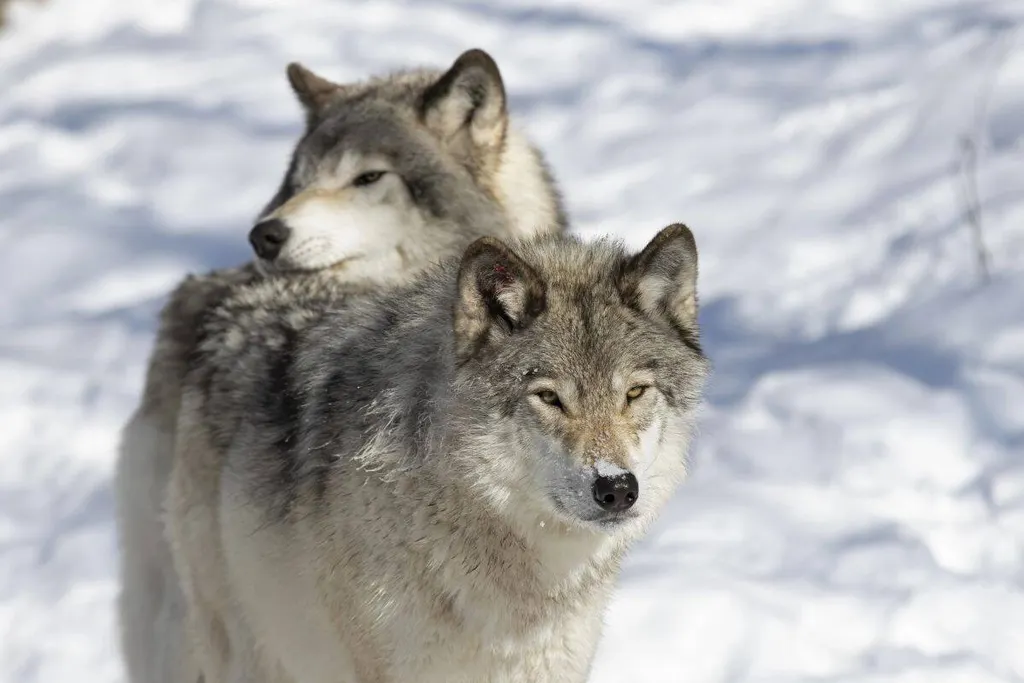
You came to Banff or Kananaskis to see jaw-dropping mountains, maybe paddle a lake or spot a bear from a safe distance, not to wonder, "Is that a wolf in the campsite?"
Well, here’s the good news: wolves really don’t want anything to do with you. They're elusive, quiet, and way too smart to stick around where humans hang out. Most visitors will never see one, and that’s just how wolves like it.
But every once in a while, especially if folks leave a hot dog bun out, those natural boundaries start to blur. And that’s when we run into problems and wolf safety becomes an issue.
So let’s talk about wolves. Not just how cool they are (and they are), but how to keep your trip to Banff safe and help make sure these animals stay wild, healthy, and far, far away from your granola bars.
🐻 For Bear Lovers & Wildlife Enthusiasts – Discover Grizzly Bears from Banff – Full-Day Tour.
🐻 For Bear Spotters, Elk Watchers & Sunset Chasers – Banff Wildlife Safari & Scenic Lakes Tour.
🧡 For Wildlife & Nature Lovers – Yamnuska Wolfdog Sanctuary Walk – Guided Visit.
The Wolves Are Here (Even If You Don’t See Them)
Wolves are a natural part of Banff National Park and Kananaskis Country. Banff usually has four- to six-pack groups roaming around at any given time, and K-Country packs tend to be smaller but just as secretive. You probably won’t spot one, but they’re out there, trotting through valleys, following elk, and doing their best to avoid us.
Physically, they’re big, bigger than a coyote (which you will see). Think German Shepherd but leaner, leggier, and built to cover 30 km a day.
They usually avoid people. Unless... yep, you guessed it - people feed them.
“Kindness Kills” (No, Really)
This is a tough one for some folks. You see a beautiful wild animal, and your instincts might say, “Aww, poor thing looks hungry.” But feeding wildlife, on purpose or by accident, is the fastest way to mess up their natural behaviour.
Once a wolf figures out that people mean food, it stops avoiding us. It might start showing up near roads, sniffing around tents, or wandering into campgrounds like it’s checking in for the weekend. And when that happens? Things usually end badly.
Wolves that lose their fear often have to be euthanized. That’s not a scare tactic; it’s what’s happened right here in Banff and Kananaskis in recent years. A curious wolf isn’t cute. It’s a tragedy waiting to happen.
Wolf Safety 101: What You Need to Know
Let’s get into the basics. Whether you’re hiking, camping, or just strolling around Vermilion Lakes with a coffee, these tips will help keep both you and the wolves out of trouble.
Keep Your Distance
If you do see a wolf, lucky you, but stay at least 100 metres away. That’s about 10 bus lengths. Don’t chase it with your camera. Don’t try to “commune” with it. This isn’t a Disney movie.
Lock Up the Snacks
Store all food, garbage, pet food, and toiletries in bear-proof bins, vehicles, or trailers. Wolves have an incredible sense of smell, and they’re not above dumpster diving if you make it easy.
Leash Your Dog
Off-leash dogs are basically wolf magnets, and not in a good way. Wolves see them as intruders or prey. Always leash your pup, and don’t leave them unattended, even if they’re napping adorably at the campsite.
Keep Kids Close
Small kids running ahead on the trail? Not ideal. Supervise them at all times when playing outdoors, and teach them to stay close in wildlife country.
“What Do I Do If a Wolf Comes Near Me?”
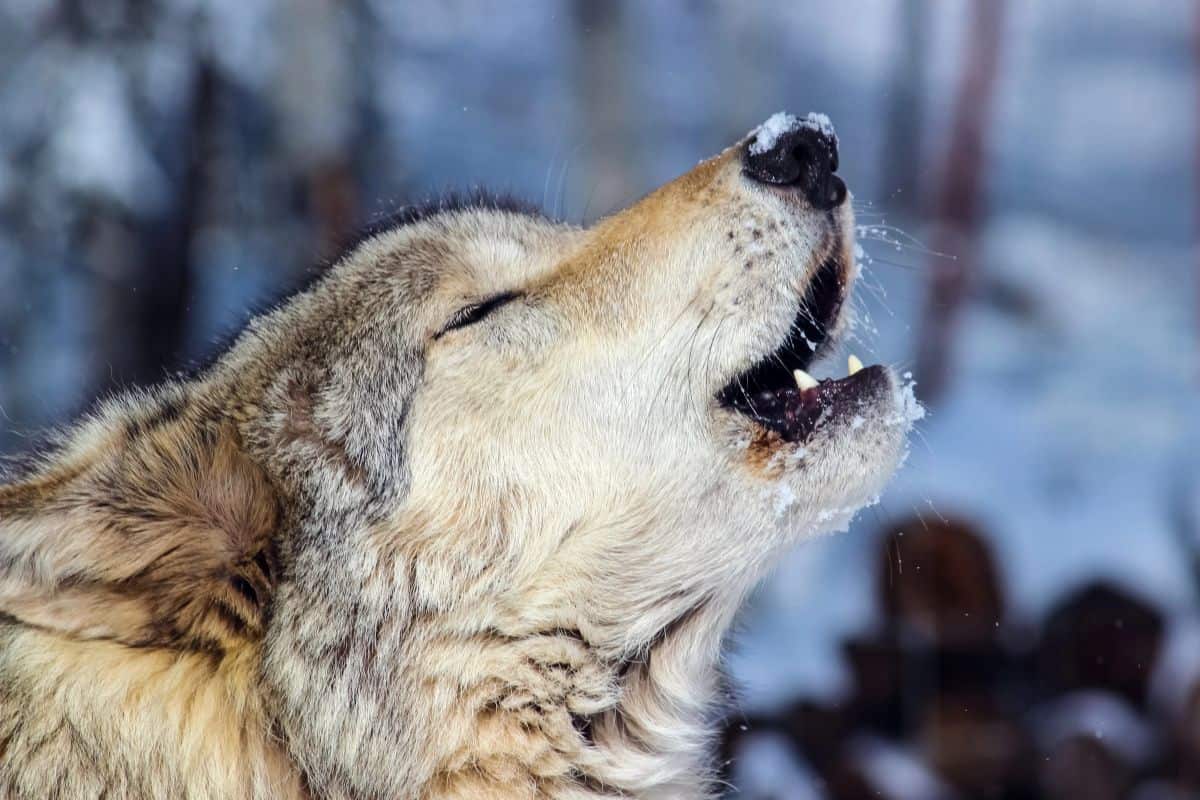
Okay, so this is unlikely. But say you do end up face-to-snout with a bold or curious wolf. Here’s what to do:
- Don’t run. You are not prey. Channel your inner mountain goat and stand your ground.
- Be loud and large. Shout, wave your arms, throw rocks or sticks.
- Use bear spray if needed. It works on more than bears.
- Pick up small kids and leash dogs immediately.
- Back away slowly, facing the wolf. Give it space, and leave the area calmly.
Bottom line? You want to convince the wolf that you’re more trouble than you’re worth.
Real Talk: Recent Wolf Warnings in the Rockies
There have been a few run-ins lately that are worth knowing about.
In Kananaskis Country in 2025, a lone wolf was seen wandering through campgrounds and roads with no fear of people, likely food-conditioned. Alberta Parks used "aversive conditioning methods" and bear spray to try to scare it off.
In Banff National Park (2020), a young, food-habituated wolf had to be put down after breaking into a building and approaching visitors. That same summer, another wolf entered tents at a backcountry campground and swiped a backpack. Not good.
Each of these situations started the same way: someone left food out, or didn’t follow safety rules. The wolf learned, adapted, and lost its wildness.
Reporting a Sighting Could Save a Life
If you see a wolf behaving strangely, or even if it’s just close to human areas, report it. You could be stopping a problem before it starts.
📞 Banff National Park Dispatch: 403-762-1470
📞 Kananaskis Emergency Services: 403-591-7755
Hike Smart, Camp Smarter
Here’s your quick checklist for safe, respectful backcountry travel:
✅ Travel in groups (4+ is best)
✅ Make noise - especially on blind corners or dense trails
✅ Carry bear spray and know how to use it
✅ Obey area closures - they exist for a reason
✅ Store attractants properly, always
✅ Don’t be the person whose granola bar ruins it for everyone
Wolves Belong Here: But Only If They Stay Wild
Look, you came to Banff or Kananaskis to experience something wild and authentic. Wolves are part of that story, but not the part where they eat your sandwich or approach your tent.
By following the rules, respecting the animals, and maintaining a respectful distance (both physically and behaviorally), you help ensure wolves can continue to do what they do best: maintain ecosystem balance, raise pups deep in the forest, and avoid humans.
And you? You get to tell your friends you hiked through wolf country, safely and smartly, without becoming part of the problem. That’s a win for everyone.
Want to be fully wildlife-wise? Don’t miss our guides to elk safety, cougar safety, and bear safety, because in Banff, it pays to know who you’re sharing the trail with.


