
Cougar Safety in Banff: A Light-Hearted Guide to Staying Safe
Attacks are rare, but cougars are ambush predators, and children are the most vulnerable. Don't run, don't turn your back, hold your ground and fight back if it comes to it. What the tracks and cached kills look like, and who to ring if you find one.


If you're hiking the trails of Banff National Park, breathing in the alpine air, and humming your best nature-trek soundtrack—pause. Somewhere in those dense forests or rocky ledges, a silent stalker could be watching. But before you panic and fashion a spear from your selfie stick, let’s talk about cougar safety.
No, not that kind. The four-legged, feline kind with a tail longer than your camping trip checklist.
This post is your go-to guide on cougar safety in Banff. We’re dishing out practical advice with a side of humour, because a little laughter is essential when you're dealing with apex predators.
🐻 For Bear Lovers & Wildlife Enthusiasts – Discover Grizzly Bears from Banff – Full-Day Tour.
🐻 For Bear Spotters, Elk Watchers & Sunset Chasers – Banff Wildlife Safari & Scenic Lakes Tour.
🧡 For Wildlife & Nature Lovers – Yamnuska Wolfdog Sanctuary Walk – Guided Visit.
What’s The Deal With Cougars Anyway?
Cougars, also known as mountain lions or pumas (for the fancy folks), are natural-born introverts. Solitary by nature, they roam large territories, tend to avoid humans, and are most active at dawn and dusk - though they’re sometimes on the move during the day too.
These stealthy cats are rarely seen. In fact, spotting one is so rare, you’d have better luck seeing a wolverine play the banjo. Yet, it’s exactly this elusive nature that makes them the wild card of the Rockies.
Are Cougar Attacks A Real Thing?
They are, but don't cancel your trip just yet.
Cougar attacks are extremely rare, and fatalities even more so. Most encounters end with the cougar slipping off into the woods. But, and this is a hefty but, cougars are powerful predators. They hunt deer, sheep, elk, and occasionally mistake an off-trail hiker for a snack pack.
You don’t want to test the food chain firsthand.
Why You Might See One (And Why You Probably Won’t)
Cougars are more likely to be spotted where there’s easy prey. That means deer-heavy areas, particularly in valley bottoms. Think places where you see Bambi’s extended family lounging about; there’s a chance a cougar is silently making lunch plans.
That said, even if you're smack in the middle of cougar country, odds are high you’ll never see one. They’re shy, stealthy, and way better at hide-and-seek than any human ever.
Signs a Cougar Might Be Nearby
Nature leaves clues, and cougars aren't great at cleaning up after themselves. If you notice any of the following, it's time to be extra aware:
- Cougar tracks: Look for large paw prints without claw marks (cats retract their claws).
- Scat: Cougar scat is typically segmented, tubular, and about the diameter of a large stick. It often contains visible bits of hair and bone from their prey.
- Kills: A cached kill (a half-buried deer, for example) means a cougar might be hanging around.
If you stumble across one of these, back away calmly and report it to Parks Canada (Banff Dispatch at 403-762-1470). Leave the heroics to them.
So, What Should You Do If You See a Cougar?
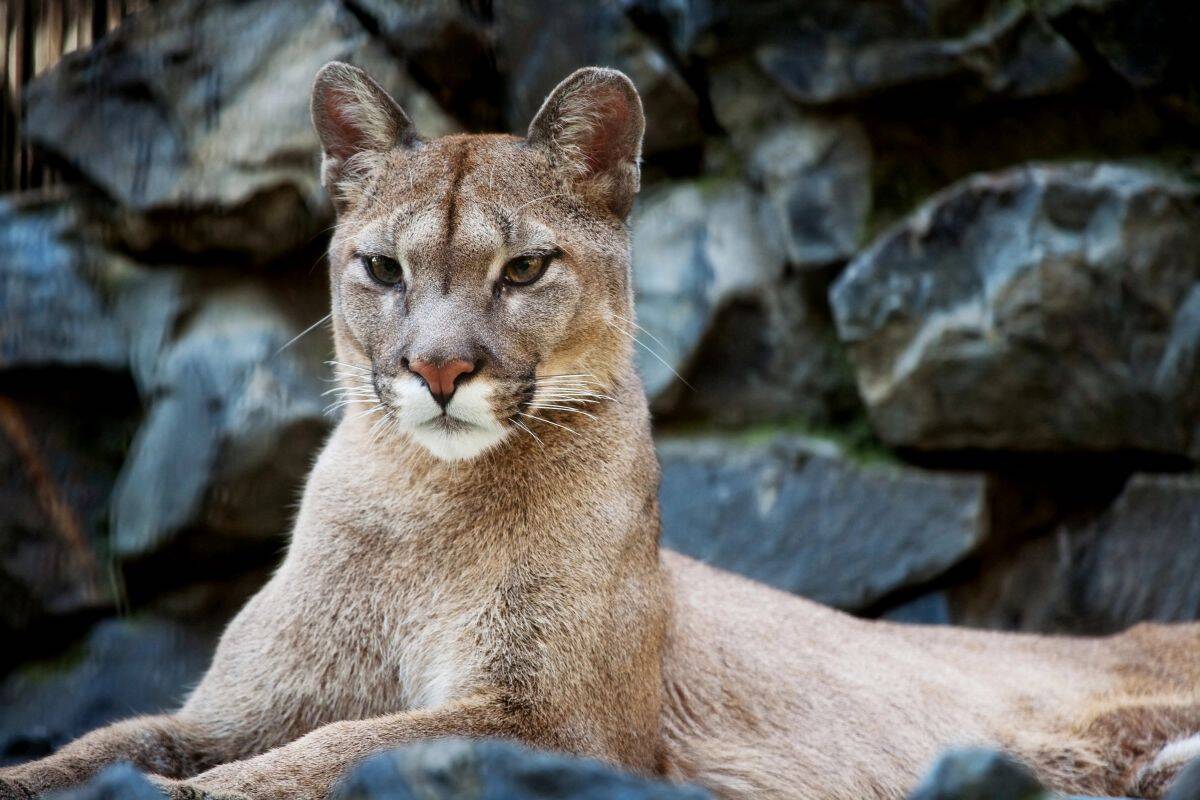
First, don’t run. This isn’t a horror movie (yet). Running can trigger the cougar’s chase instinct, and guess who’s going to lose that race? You.
Here’s what to do instead:
Stay Calm and Stand Tall
Face the cougar. Maintain eye contact. You want to look as big and intimidating as possible. Raise your arms, open your jacket, yell loudly - but don’t scream. Screaming sounds like prey. You want to sound like someone who’s got bear spray and knows how to use it.
Make Noise and Back Away Slowly
Speak in a firm voice and slowly back away. Do not turn your back.
If you’re with others, group together to appear larger. If you have kids, pick them up quickly. Children are more vulnerable due to their size, so keep them close.
If It Acts Aggressively
Now things are getting spicy. If the cougar is showing interest, following, crouching, or hissing, this isn’t curiosity; it’s predatory behaviour.
Hold your ground. Throw rocks, sticks, anything you can find. Show the cougar that you are not an easy meal. (Pro tip: this is why you always bring a hiking buddy, preferably one who runs slower than you!)
If It Attacks
Fight back. Use bear spray if you have it. Aim for the face. If not, use sticks, rocks, or your fists. Do not play dead. You’re not a bear snack, and you’re not giving up your trail mix that easily.
The Best Cougar Encounter Is the One You Avoid
Let’s be real, nobody hikes in Banff hoping to bump into a big cat. Prevention is your best friend. Here’s how to avoid becoming a wildlife headline:
Travel in Groups
Cougars are far less likely to approach groups. So grab a few friends, or make new ones at the trailhead. Bonus: you now have someone to split trail snacks with.
Keep Kids and Pets Close
Children and pets are more vulnerable. Keep them within arm’s reach. No one wants to explain to Grandma that Sparky got scooped up by a mountain lion.
Be Aware at Dawn and Dusk
Cougars are most active at these times. If you're out early or staying out late, be extra alert. And maybe skip the headphones - Spotify won’t save you.
Carry Bear Spray
Yes, it works on cougars too. Make sure it’s accessible, not buried in your pack under three granola bars and a change of socks.
Know the Signs of Aggressive Behaviour
A cougar that’s crouching, following, or staring you down is not making friends. That’s stalking behaviour, and it's time to assert dominance, or at least prepare to channel your inner action hero.
Report Sightings (Even the Anti‑Climactic Ones)
Even if your cougar encounter ends with nothing more than a blurry photo and an adrenaline spike, report it. Parks Canada tracks this data to help manage wildlife and keep everyone safe.
You can contact them directly (Banff Dispatch at 403-762-1470) or visit a Parks Canada visitor centre. Reporting helps protect both people and cougars, and might save someone else from an unexpected feline face‑off.
Don’t Let Cougar Safety Worries Ruin Your Adventure
Let’s end with some good news: the chances of you having a dangerous cougar encounter are incredibly low. Like, “getting struck by lightning while riding a unicycle” low.
Banff is one of the most stunning places on Earth, and with a bit of awareness and a dash of common sense, you can explore it safely, even in cougar country.
So pack your bear spray, keep your eyes open, and hike smart. Because the only kind of chase you want on your trip is chasing views, not predators.
Want to be fully wildlife-wise? Don’t miss our guides to elk safety, bear safety, and wolf safety because in Banff, it pays to know who you’re sharing the trail with.


