
Banff In November: Things To Do, Events, and What To Expect
The larches are done, the snow is creeping down, and the ski hills start turning. Around nine hours of daylight at the start of the month and eight by the end. Weather, packing, early-season skiing, frozen Johnston Canyon, and the events that open the winter season.

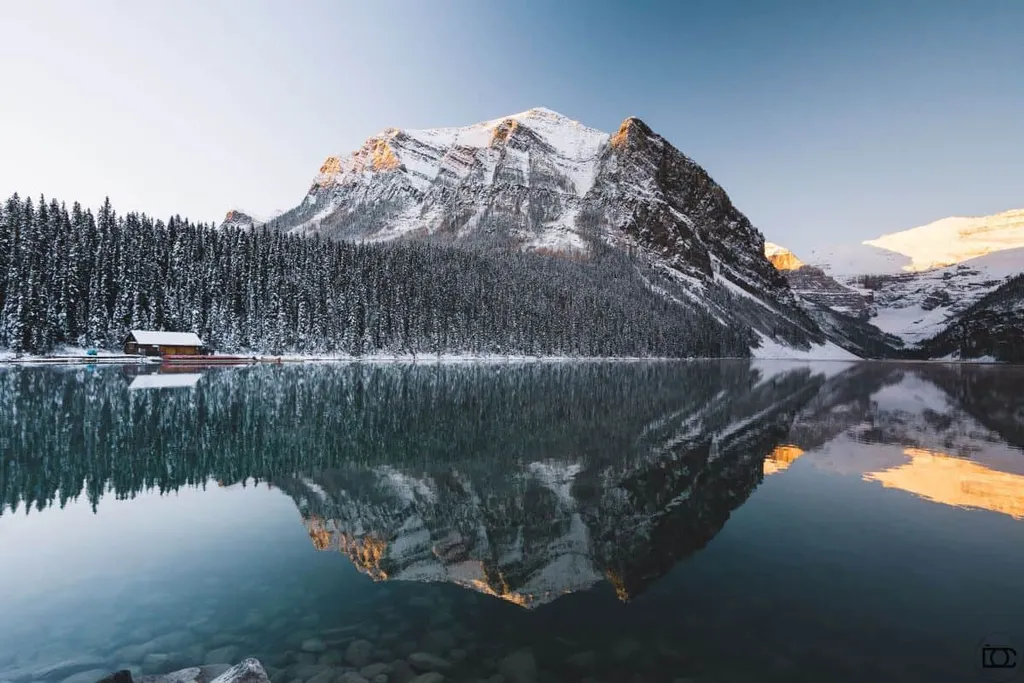
There’s a quiet shift in Banff in November. Autumn’s golden larches have given way to bare branches, snow creeps steadily down the peaks, and the town begins to trade hiking boots for ski gear. The air is crisp enough to see your breath, the evenings come early, and there’s a sense of anticipation, like Banff is holding its breath before the full rush of winter holidays.
It’s a month of in-between magic. Trails are quieter still, wildlife is moving lower in the valleys, and you just might catch those first powder days on the ski hills. November is when Banff shows its more rugged, peaceful side, and we’ll walk you through it all, from frosty morning walks and cosy coffee shops to strapping on skis for the season’s opening turns.
⛷️ For Early Ski Turns - Sunshine Village. November often marks the start of ski season, with Sunshine Village typically opening early in the month. Be among the first to hit the slopes, enjoy quieter runs, and soak up that fresh early-season stoke.
🏔️ For Epic Views - Banff Gondola. The Banff Gondola runs year-round, and November gives you snow-covered peaks without the summer crowds. Ride to the top of Sulphur Mountain, wander the boardwalk, and warm up inside the summit interpretive centre. Sunset is especially magical this time of year.
❄️ For Frozen Beauty - Johnston Canyon. By November, Johnston Canyon transforms into a frozen wonderland. The waterfalls begin to freeze into striking curtains of ice, making it a must-do for photographers and hikers alike. With lighter crowds than in summer, you'll have more space to take it all in.
Weather, Daylight & What to Pack for November
Winter’s Arrival: Snow, Chill, and Cosy Layers
November in Banff is when autumn fully gives way to winter. The golden leaves are long gone, trails crunch under frost, and snow steadily builds in the valleys. Ski hills begin to open, and the town feels like it’s gearing up for the true winter season.
Temperature: Daytime highs hover just below or a few degrees above freezing, while nights plunge well below zero. Mornings often start icy, and by mid-month, snow is common both in the mountains and in town. It’s officially parka weather, and you’ll want those extra layers.
Daylight Hours: The days grow short in November, which only adds to the cosy, mountain-town feel. Early in the month, you’ll see about 9.5 hours of daylight, with sunrise around 8:15 a.m. and sunset close to 5:45 p.m. By the end of November, daylight shrinks to just over 8 hours, with sunrise near 8:30 a.m. and sunset around 4:30 p.m. Plan your outdoor activities for late morning to mid-afternoon - the warmest and brightest stretch of the day.
Precipitation: November is firmly in snow season. Expect regular flurries, the odd snowstorm, and a few crisp, blue-sky days that make the peaks sparkle. Pack for full-on winter: a heavy insulated jacket, toque, gloves, warm base layers, and waterproof boots with good grip for icy sidewalks and snowy trails.
The Essential November Packing List: Winter-Ready Layers
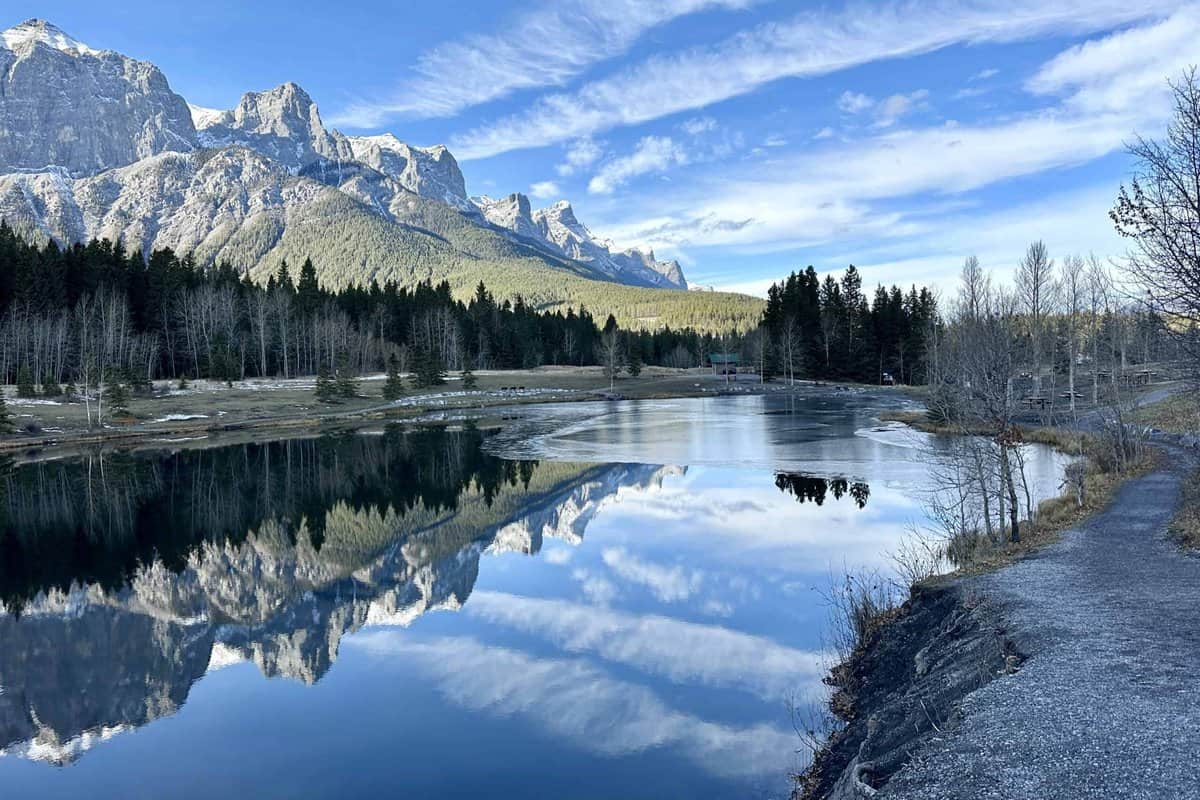
Packing for Banff in November means preparing for full-on winter conditions, with the occasional mild, sunny day sneaking in to keep you guessing. Snow is common, the air is crisp, and the weather can shift quickly. The key is warm, layered clothing that can handle everything from frosty morning walks to snowy evenings in town.
Daytime: Start with a solid base layer, add a fleece or warm sweater, and top it off with an insulated, water-resistant winter jacket. Thermal leggings or lined hiking pants are a must, especially if you’ll be outdoors for long stretches.
Evenings & Mornings: Once the sun sets, Banff gets cold quickly. A toque, insulated gloves, and a proper winter parka are essential. A scarf or buff will help with both warmth and wind protection.
Footwear: Waterproof winter boots with good traction are ideal, as sidewalks and trails are often icy or snow-covered. Wool socks are key for warmth, and packing an extra dry pair makes all the difference after a day outside.
Essentials: Even in November, sunglasses are a must for the bright alpine sun reflecting off the snow. Sunscreen still comes in handy if you’re skiing or spending hours outdoors. Bring a reusable water bottle for hydration and a thermos for hot drinks to keep the chill at bay.
Accommodation in November: Early Winter Deals & Cosy Retreats
November is a quieter month in Banff, sitting between the golden autumn weeks and the busy holiday rush. That means fewer crowds, more availability, and lower rates compared to the peak winter season. Some mountain lodges and seasonal properties may be closed, but you'll find plenty of welcoming options in both Banff and Canmore.
Luxury Stays
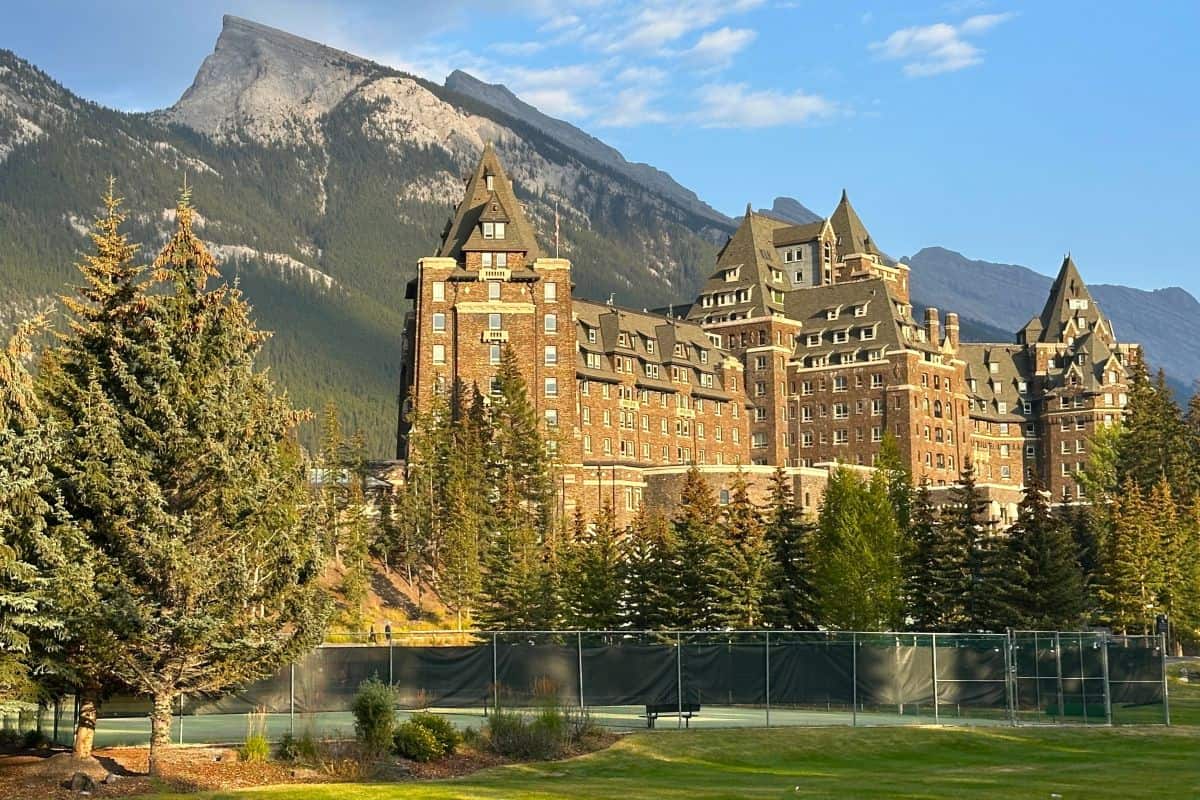
Fairmont Banff Springs
Price range: $$$$$
Location: Banff Townsite
Pool / Spa: Indoor and outdoor pools; hot tub; full-service spa
Parking: On-site parking (paid)
Pet-friendly: Yes
Best for: Luxury stays; special occasions; spa breaks; families
- Fairmont Banff Springs - The "Castle in the Rockies," now surrounded by snowy peaks and twinkling lights as the hotel begins its festive winter transformation.
- Fairmont Chateau Lake Louise - A front-row seat to the lake's freeze-over, where glassy reflections give way to a shimmering sheet of ice surrounded by fresh snow.
- The Malcolm Hotel (Canmore) - A stylish choice with mountain views and a heated outdoor pool that feels extra indulgent after a frosty day outside. Often priced a little lower than Banff equivalents.
Mid-Range Hotels
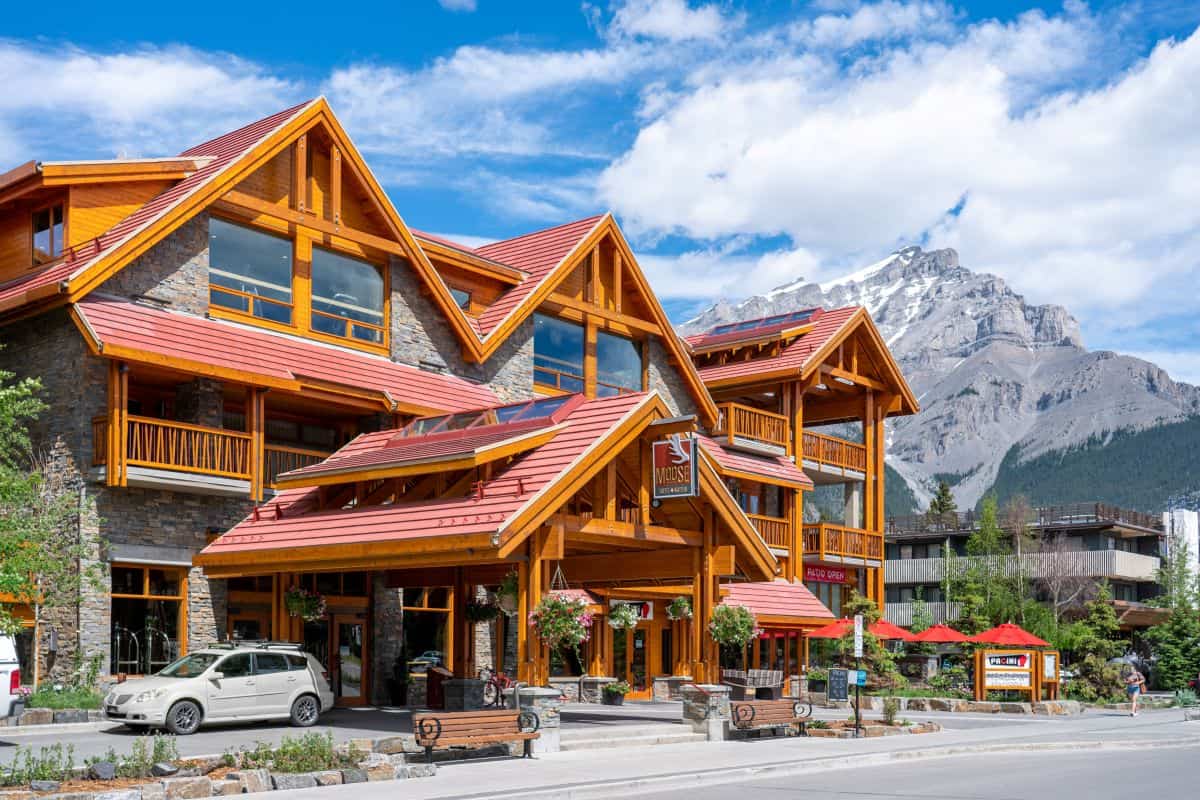
Moose Hotel & Suites
Price range: $$$$
Location: Banff Townsite
Pool / Spa: Indoor pool; rooftop hot pools; spa
Parking: On-site parking (free)
Pet-friendly: Yes
Best for: Banff Avenue location; couples; modern rooms and suites
- Moose Hotel & Suites - Rooftop hot pools are even more enjoyable when the snow is falling, making them a perfect spot to warm up after a chilly November day.
- Banff Park Lodge - Central location with all the comforts you need after exploring in frosty weather.
- Royal Canadian Lodge - A cosy atmosphere that feels just right for an early-winter retreat.
Budget-Friendly Options
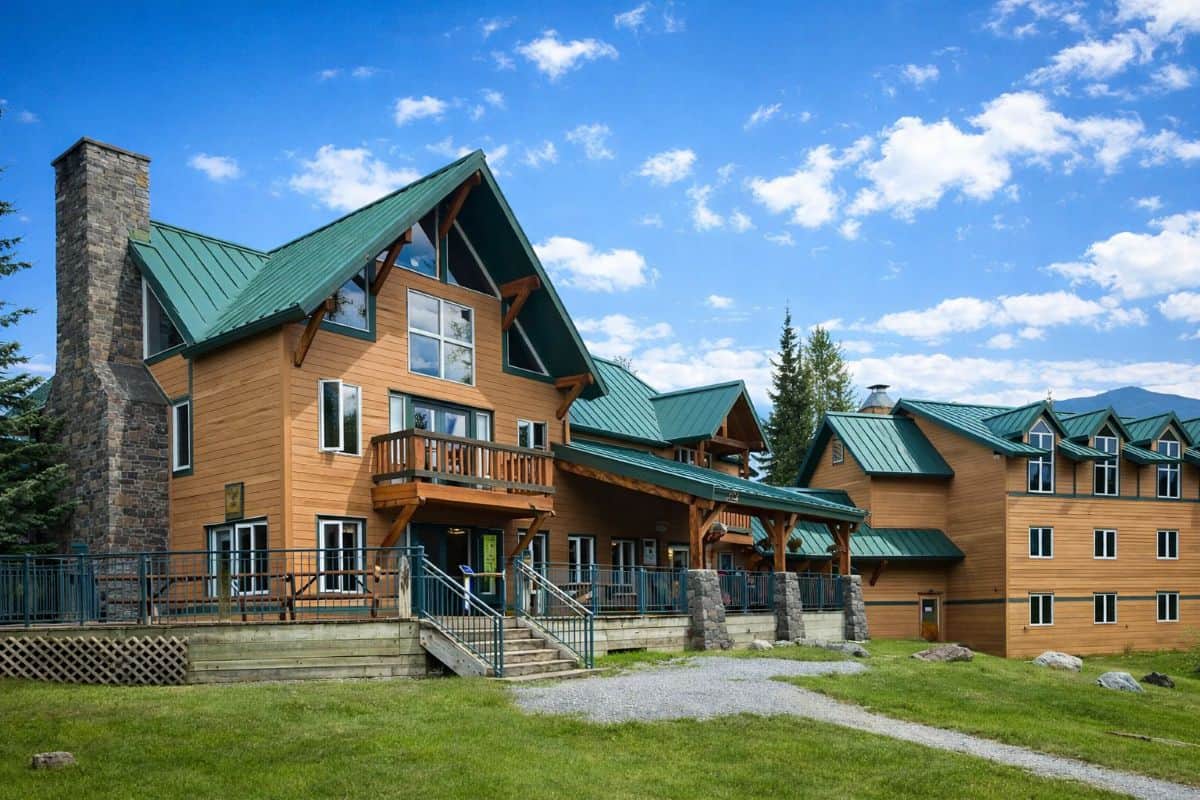
HI Lake Louise Alpine Centre
Price range: $
Location: Lake Louise
Pool / Spa: Sauna
Parking: On-site parking (free)
Pet-friendly: No
Best for: Budget travellers; hikers/skiers; simple base in Lake Louise
- HI Banff Alpine Centre - A friendly hostel with budget dorms and private rooms, perfect for travellers who don't mind a bit of winter chill.
- Samesun Banff - Affordable and social, with a warm common area to swap stories after a snowy day exploring.
- Canmore motels & Airbnbs - Often cheaper than Banff, with the bonus of kitchen access for cosy, self-catered meals on cold November nights.
Getting Around: Navigating Winter's Arrival in Banff National Park
The Reality of Banff in November: Short Days and Snowy Roads
November travel in Banff means embracing winter conditions. Crowds are still light compared to December and January, making parking and access much easier, but shorter days and snow-covered roads require extra planning and patience.
Winter Driving Basics
By November, winter tyres are strongly recommended (and legally required on many mountain highways). Roads can be icy in the mornings and evenings, with snowstorms possible at any time. Having your own vehicle or a rental gives you flexibility, but build extra time into your schedule and keep emergency gear handy - warm clothes, blankets, and a scraper are musts.
Roam Public Transit: Still Reliable
Roam Transit continues to connect Banff, Canmore, and popular in-town stops year-round. While service is more limited compared to summer, it remains a convenient and affordable way to get around without worrying about driving in winter conditions.
The Golden Rule for November: Respect Winter
Plan outings for the middle of the day, when there's the most light and slightly warmer temperatures. November daylight is short, with just over eight hours by the end of the month, so early starts and efficient planning are crucial. Always carry extra layers, check weather forecasts, and expect anything from a bluebird day to a sudden snow squall.
Moraine Lake Reminder
The road to Moraine Lake closes after Canadian Thanksgiving in early October, so by November, it's already inaccessible by vehicle. If you want to see it, you'll have to wait until late spring when the road reopens.
November Activities (and How to Do Them Right)
Lake Louise in Early Winter
By November, the turquoise waters of Lake Louise are hidden beneath ice and snow, transforming the area into a true winter wonderland. The Lakeshore Trail is often packed down by walkers, making it a beautiful way to experience the frozen lake. It’s also the month when the famous Lake Louise ski season typically kicks off, drawing skiers and snowboarders to the slopes.
Lake Minnewanka in Winter
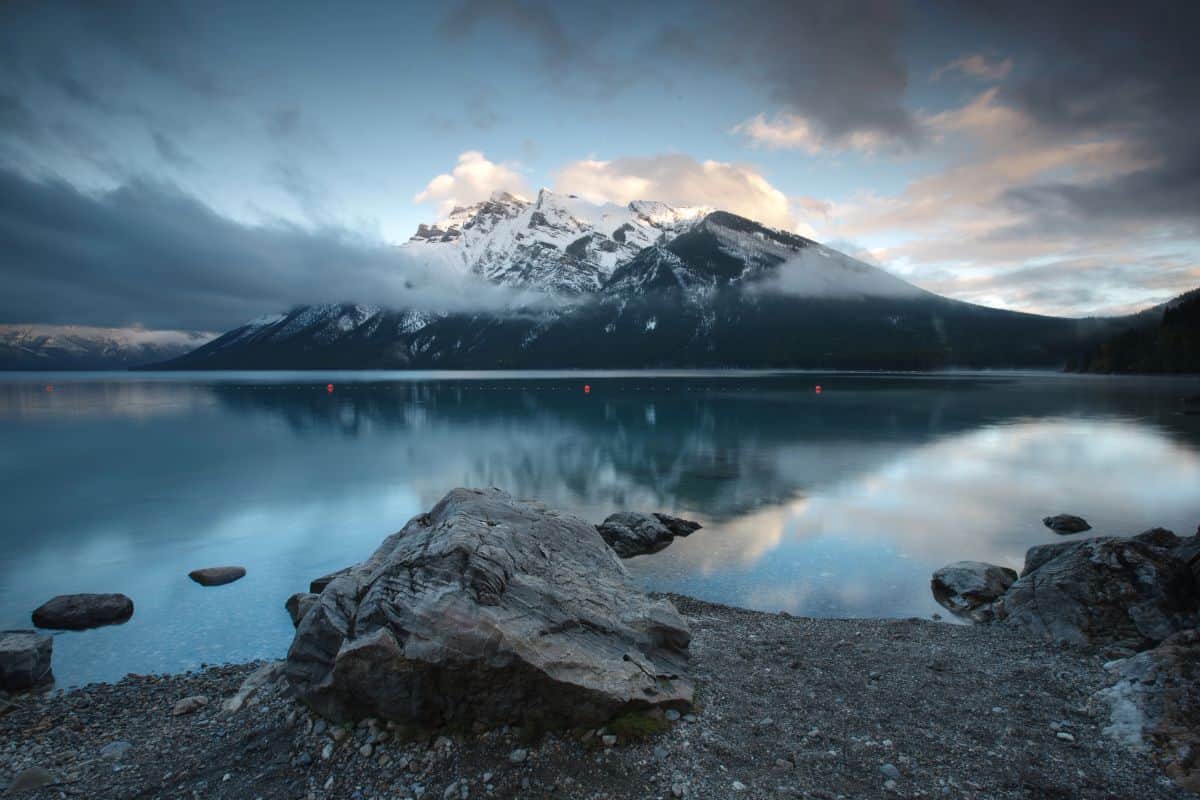
Boat tours have long since ended, but the area remains stunning in its quiet, frozen state. Trails like Stewart Canyon can still be explored, although conditions may be icy; microspikes or good winter boots are recommended. Wildlife sightings are less frequent than in autumn, but you may still spot elk or bighorn sheep.
Banff Gondola (Sulphur Mountain): Snowy Vistas
The Banff Gondola operates year-round, and November offers snow-covered peaks and crisp, clear skies. With fewer visitors, you’ll have space to enjoy the views and the mountaintop boardwalk. Dress warmly - the gondola in winter can be very cold, and the cabins aren't heated.
Hiking in November
Most high-elevation hikes are snowbound by November, but there are still rewarding lower-elevation options, such as Tunnel Mountain, Johnson Lake, or the Fenland Trail. Microspikes are very useful, as trails can be icy even in town. For those seeking a taste of early winter adventure, snowshoeing may be possible on specific routes depending on conditions.
Ski Season Launch & First Turns
Sunshine Village is typically one of the first to open for the winter season, often by early November. That means if you time it right, you may get to ski or snowboard in Banff before the big crowds arrive. Be aware: only a limited number of runs and lifts may open initially, as snow depth and grooming take time to build up. Rent gear locally in Banff or at the resort so you don’t have to haul skis through winter roads, aim for mornings after fresh snow, and keep an eye on resort updates for new terrain openings.
Snowshoeing & Winter Walks
With snow accumulating, many trails become ideal for snowshoeing. Guided tours are available, including “on top of the world” experiences that use gondolas or lifts to access alpine areas. Lower-elevation trails like Tunnel Mountain, Johnson Lake, and others around town may also be manageable with microspikes or snowshoes. Snowshoeing is a great way to ease into winter and enjoy quiet, frozen landscapes before the heavy snow of December.
Ice Skating & Frozen Lakes
Once conditions are right, you can lace up skates and glide across Banff’s frozen waters. Popular spots include Lake Louise, outdoor rinks in Banff’s downtown core, and smaller lakes like Johnson Lake, Two Jack, and Vermilion Lakes. Always check ice conditions with Parks Canada before venturing out. Bring a helmet, dress warmly, and go mid-afternoon when ice tends to be safest.
Sleigh Rides & Winter Classics
A horse-drawn sleigh ride is a romantic, low-effort way to soak in the snowy scenery. Alongside sleigh rides, November also brings the start of seasonal treats like the Hot Chocolate Trail, where local cafés and bars serve creative chocolate drinks. Mid-November often marks the return of “In Search of Christmas Spirit,” a storytelling and light-filled experience that captures the magic of the season.
Cross-Country Skiing & Fat Biking
Even if alpine skiing is limited early in the month, cross-country ski trails may begin to open as snow builds up. The national park maintains several track-set routes once conditions allow. Fat biking is another fun option, with wide tires that let you pedal through packed snow on select trails around Banff. If you're not quite sure where to start, try a small group fat-biking tour.
Wildlife Tours & Helicopter Rides
While many animals are less visible in November, wildlife tours can still be rewarding, especially with experienced guides who know the valleys and open areas where elk or sheep may linger. Helicopter tours are also available year-round, offering unforgettable aerial views of snowy peaks and glaciers.
Indoor Options: Culture & Relaxation
Not everything has to be outdoors. Spend time at the Whyte Museum of the Canadian Rockies to learn about local history and art, browse mountain-town shops, or relax in a cosy café. Banff Upper Hot Springs are open year-round and feel especially good on cold days (Closed in 2025). November is also when film festivals, live performances, and holiday events begin to pop up around town, giving you a mix of cultural and seasonal entertainment.
Wildlife & Nature in November: Quiet Valleys and Winter Survivors
November marks a turning point for wildlife in Banff. The autumn bustle slows as bears retreat into hibernation and elk finish their dramatic rut. Animals shift into winter patterns, moving to lower elevations where food is easier to find. While sightings may be less frequent than in October, the crisp air and snowy backdrop make every encounter feel extra special.
Elk After the Rut: Quieter but Still Present
By November, the bugling has stopped, and the rut is over. Elk herds remain in the valleys and townsites, though they’re calmer than the loud, bold weeks of autumn. They’re still large and unpredictable, so give them space and admire from a safe distance.
Bears in Hibernation
Grizzly and black bears are typically denned by November. That means the chance of seeing one is slim, but it’s still smart to carry bear spray early in the month if you’re venturing onto quieter trails.
Bighorn Sheep & Mountain Goats: Winter Climbers
These hardy icons are easy to spot in November. Bighorn sheep often gather along roadways and near mineral licks, while mountain goats cling to the cliffs around Lake Minnewanka and the Icefields Parkway. Their thick coats make them look right at home in the snow.
Moose & Deer: Cold-Weather Grazers
Moose sometimes appear in wetland areas like Vermilion Lakes, though they’re less common. Mule deer and white-tailed deer are frequent sights around Banff, especially at dawn and dusk, often wandering into meadows and even neighbourhoods.
Birds & Smaller Wildlife
Most migratory birds have left, but you can still see hardy residents like ravens, chickadees, and Clark’s nutcrackers. Eagles may soar overhead, especially near open water. On the ground, squirrels and pine martens dart through the snow, busy adapting to winter life.
Wildlife Safety Tips for November
- Always give elk and deer at least 30 metres of space. They may seem calm, but can charge if startled.
- Stay in your vehicle when viewing animals from the roadside.
- If you’re hiking early in the month, carry bear spray and know how to use it, just in case.
- Never feed wildlife - it’s harmful for them and dangerous for you.
- Keep dogs leashed at all times in the national park.
Scenic Drives & Day Trips in November
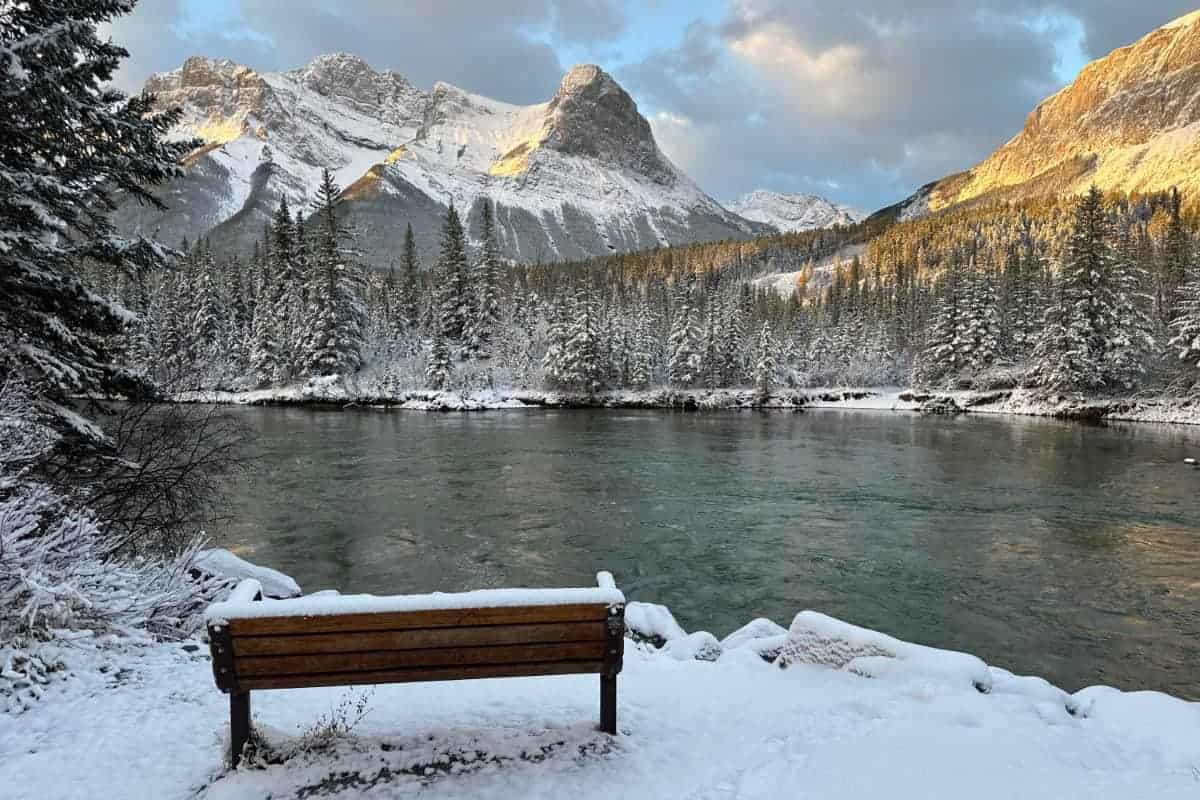
Snow-dusted peaks, frozen lakes, and quiet roads make November road-tripping in Banff both beautiful and challenging. Crowds are light, but winter conditions are firmly in place. Expect icy stretches, compact snow on highways, and limited daylight for sightseeing. With preparation, the drives can be magical, offering winter scenery without the bustle of holiday traffic.
Icefields Parkway
In November, the Icefields Parkway is a study in contrasts: endless snowy peaks, deep blue skies on clear days, and frozen waterfalls glinting along the roadside. Popular stops like Bow Lake and Peyto Lake are usually buried under snow, but the views from the highway alone are worth the journey. Services are long closed, and conditions can shift quickly from clear to whiteout, so travellers need to be well-prepared.
NOTE
- No Services: There is no gasoline, food, lodging, or cell phone reception along the 230 km route between Lake Louise and Jasper from November through May.
- No Road Salt: The parkway is not salted. It is ploughed and sanded, but compacted snow and ice often remain for long periods.
- Limited Maintenance Hours: Road crews work only during daylight hours (7:00 AM to 3:30 PM). Overnight storms may leave the road impassable until ploughing resumes. Closures due to heavy snowfall or avalanche control are common.
- Mandatory Equipment: Proper winter tyres are legally required. Carry an emergency kit with blankets, food, water, and a shovel.
- Viewpoint Access: Many viewpoints are inaccessible in November, including Peyto Lake’s upper lot, which is unplowed. Reaching it often requires a long, snowy walk or snowshoe from the roadside.
- Conditions: Expect compact snow, ice, and blowing snow.
- Daylight: With only 8 to 9 hours of daylight, plan to travel during the middle of the day for the best light and safest conditions.
- Road Updates: Always check the Parks Canada Road Report and Alberta 511 before setting out.
Bow Valley Parkway (Highway 1A)
This scenic route between Banff and Lake Louise is quieter than the Trans-Canada Highway and is particularly beautiful in November. Snow-dusted forests, wildlife sightings, and views of Castle Mountain make it a favourite. Johnston Canyon, one of the highlights along the parkway, is especially dramatic as its waterfalls begin to freeze into curtains of ice. Keep in mind that sections of the parkway may have seasonal closures, so check ahead before heading out.
Spray Lakes Road (Smith-Dorrien Trail)
From Canmore, this gravel road winds into Kananaskis Country, offering sweeping views over Spray Lakes Reservoir and the surrounding peaks. In November, the road is often snowy and icy, so winter tyres are essential and four-wheel drive is recommended. The reward is stunning mountain scenery, fewer crowds, and frequent wildlife encounters, particularly bighorn sheep. This drive feels like a real backcountry adventure, even though it begins just minutes from downtown Canmore.
Lake Minnewanka Scenic Drive
A short but rewarding loop from Banff, this drive circles Lake Minnewanka and passes by Two Jack Lake and Cascade Ponds. In November, the lakes often begin to freeze, and the snowy shoreline makes for postcard-perfect photos. It’s a great option if you’re short on time or prefer not to tackle longer, more challenging drives. Wildlife is common along this route, with bighorn sheep and the occasional coyote making appearances.
Yoho & Kootenay National Parks
By November, Yoho and Kootenay have slipped into winter. Emerald Lake begins to freeze over, and its walking trail can be snowy and icy, but it remains a peaceful place for a stroll. In Kootenay, Marble Canyon becomes a frosty gorge, where snow highlights the striking rock walls. Services are closed, so come prepared, but the landscapes feel wonderfully quiet and untouched.
November Events & Festivals: Early Winter Magic and Cosy Nights
November in Banff and Canmore is quieter than the holiday season, but it offers a mix of world-class festivals, festive beginnings, and community events that make the transition into winter feel special. It’s a great month for culture seekers, food lovers, and anyone who enjoys the slower pace of the Rockies before December crowds arrive. As always, check current calendars for exact dates.
Banff Mountain Film & Book Festival
Late October to early November
Banff Centre for Arts and Creativity
This internationally renowned festival is one of Banff’s cultural highlights. It celebrates mountain culture through films, books, and talks with explorers, writers, and adventurers from around the globe. Inspiring and entertaining, it’s also a perfect way to spend a chilly November evening indoors.
In Search of Christmas Spirit
Mid to late November
Banff townsite
This outdoor storytelling experience transforms Banff’s Central Park into a winter wonderland with lights, narration, and a festive atmosphere. It’s family-friendly, free, and a wonderful way to kick off the holiday season in the mountains.
Hot Chocolate Trail
November through December
Banff and Lake Louise
Local cafés and restaurants get creative with decadent hot chocolate recipes, ranging from kid-friendly classics to grown-up versions with a spirited twist. It’s a delicious excuse to explore town, one mug at a time.
Christmas Markets in Canmore and Banff
Mid to late November (dates vary)
Canmore venues and Banff’s Heritage Train Station
November is when the Christmas market season begins. You’ll find artisan goods, local crafts, food stalls, and plenty of festive spirit. Canmore’s markets are often held in community spaces, while Banff’s Christmas Market at Banff’s Heritage Train Station is a full experience with live music and holiday décor.
Ongoing in November: Arts, Culture & Cosy Vibes
Banff Centre for Arts and Creativity: November continues to be lively with concerts, art exhibitions, and residencies, offering a cultural balance to all the outdoor adventures.
Local Galleries & Museums: The Whyte Museum, Canada House Gallery, and other spaces showcase Rocky Mountain art and history, often without the summer crowds.
Winter Dining: November menus feature hearty alpine comfort foods, perfect after a day in the snow. Cosy pubs, stylish mountain restaurants, and après-ski spots all come alive as ski season kicks off. Reservations are recommended, especially on weekends.
- Book Early-Winter Deals: November offers some of the best value of the year for lodging, with lower rates than the holiday season. Weekends can still fill quickly with early ski traffic, so reserve in advance if you’re planning a mountain getaway.
- Prepare for Winter Conditions: Expect freezing temperatures, icy sidewalks, and regular snowfall. Dress in warm, layered clothing and bring a proper winter jacket, toque, gloves, and insulated boots.
- Mind the Short Days: By the end of November, daylight drops to just over 8 hours. Plan outdoor activities for the late morning to mid-afternoon and carry a headlamp if you’re out on trails.
- Wildlife Awareness: Most bears are hibernating by November, but elk, deer, and bighorn sheep remain active around town and along roadways. Give them space and never feed wildlife.
- Drive Smart in Snow and Ice: Winter tyres are legally required on many mountain highways. Roads can shift quickly from clear to icy, so carry emergency supplies and check Alberta 511 for conditions before setting out.
- Pack for Comfort: A thermos of tea or coffee, warm socks, and a buff or scarf make a big difference on chilly days. Don’t underestimate how quickly the cold sets in.
- Check Seasonal Access: Moraine Lake and several higher-elevation trails are closed for the season, but lower trails, gondolas, and scenic drives remain open. Focus on valley activities, early ski runs, and cultural events.
- Cosy Dining: Restaurants are calmer than in peak winter. Midweek visits often mean you can walk in without a reservation. Warm up with seasonal comfort foods and local brews after a day in the snow.
- Leave No Trace: Winter landscapes are fragile, too. Stay on marked paths and pack out any garbage. Respecting the environment helps keep Banff pristine for everyone.
- Bring a Camera: Snow-capped peaks, frozen waterfalls, and the first ski runs of the season make November surprisingly photogenic. Early sunsets also create dramatic lighting for mountain shots.
Why November Might Be Banff’s Most Underrated Month
Banff in November is a season of transition, where autumn fully gives way to winter. Snow settles into the valleys, lakes freeze into mirrors of ice, and the town feels calm before the holiday rush. It’s a time of contrasts: quiet trails and bustling ski hills, frosty mornings followed by cosy evenings, and wide-open views without the summer crowds. Whether you’re here to carve your first turns of the season, wander through snowy forests, or sip hot chocolate by a fire, November has its own kind of magic. Pack warm layers, plan for shorter days, and you’ll discover Banff at its most peaceful and quietly beautiful.
Final Thoughts: Why Visit Banff in November
- Quiet beauty: Fewer crowds mean more space to enjoy the mountains at your own pace.
- Early ski season: Be among the first to carve fresh tracks at Lake Louise or Sunshine Village.
- Cosy atmosphere: Short days and frosty nights pair perfectly with hot springs, firesides, and hearty mountain meals.
- Great value: Accommodation and dining are often more affordable than in December or summer.
- Seasonal charm: From the Banff Mountain Film & Book Festival to the Hot Chocolate Trail and Christmas markets, November is when winter magic begins.


