
Banff Isn’t an Option. Canmore Is the Answer.
Banff has a need-to-reside requirement; Canmore doesn't. What that actually costs: $1.76 million for a detached house as of mid-2025, over $850,000 for a condo, and around $3,788 a month to live here as a renter. Plus healthcare waits and real winters.

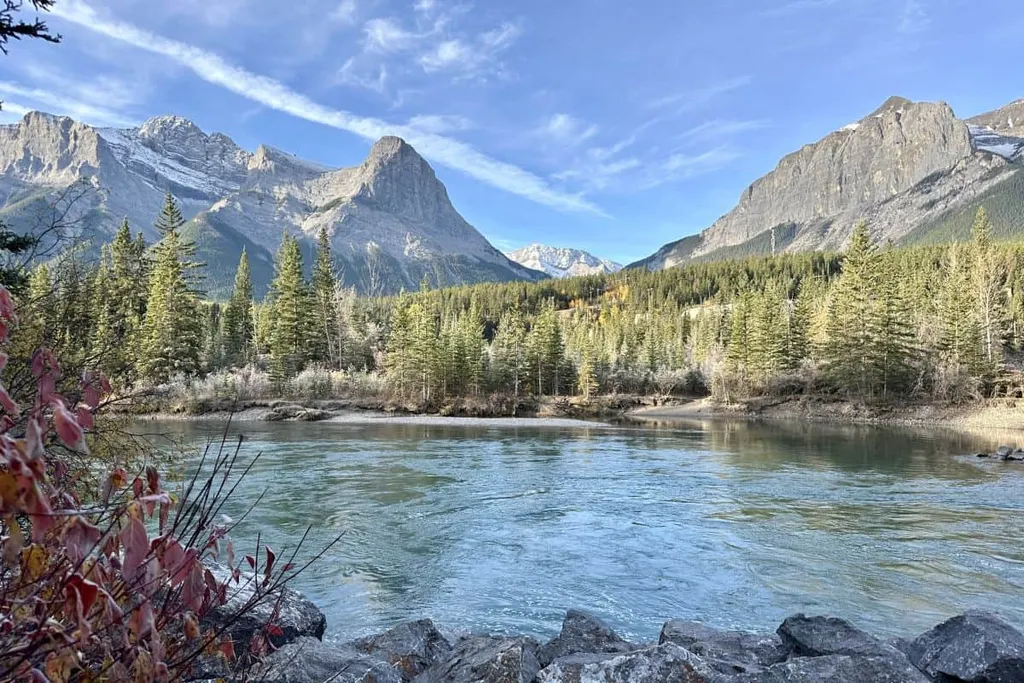
So, you’ve dreamt of retiring to the Rockies. You’ve got visions of snow-capped peaks, crisp mountain air, maybe a pair of very tasteful hiking poles, and mornings that begin with birdsong and end with wine on the deck. You were thinking Banff - but then you read our last post and discovered, unfortunately, that unless you’re planning to work at the park gates or open a wilderness taffy shop, that dream is... well, on hold.
But don’t roll up your yoga mat and cancel your mountain dreams just yet.
Because Canmore - Banff’s independent, full-service, full-home-ownership-allowed little sibling is calling. And she’s not just pretty; she’s available (well... more available).
Here’s everything you need to know about living in Canmore as a retiree, the good, the quirky, and the "just make sure your snow tyres are good."
Welcome to Canmore: Where You Can Actually Live
Let’s not beat around the coniferous bush: Canmore is not cheap. If you’re coming here expecting "affordable mountain magic," you may be mistaking Canmore for a 1993 Subaru commercial.
As of mid-2025, the average price for a detached single-family home in Canmore was around $1.76 million - a hefty price tag by any standard. Condos aren’t exactly cheap either, now averaging over $850,000.
But - and this is a big but - unlike Banff, you’re actually allowed to buy here. No "need-to-reside" clause. No Parks Canada approval. No secret handshake. You’re free to live full-time, part-time, or full-moon-time. Canmore’s doors are open.
"Affordable" Is a Perspective
It’s all about how you define "affordable." If you’ve sold a home in Vancouver or Toronto lately, you might be laughing all the way to the (mountain) bank. If you’re living off a modest pension and hoping to rent, it’ll take some serious planning.
Rents aren’t exactly relaxing either: a one-bedroom apartment in Canmore averages around $1,919/month, with some listings climbing past $2,200. Two-bedroom homes hover around $2,654/month. And that’s if you find one. The rental market is more competitive than a Pickleball final at the seniors’ centre.
The estimated monthly cost of living for a renter? Roughly $3,788. That includes housing, groceries, utilities, transport, leisure, and the occasional dinner out. For homeowners, it’s a bit less, but not by much.
Still, for many retirees, this isn’t a deal-breaker - it’s just the cost of living in a literal postcard.
The Good News: You’re Not Alone
Despite its price tag, Canmore isn’t a millionaire’s theme park. There’s a growing retiree community here - active, outdoorsy, and fond of kombucha happy hours. Many come for the lifestyle and stay because they discover that Canmore isn’t just beautiful; it has soul.
There’s culture here. Not just "art gallery with a wolf print" culture. We’re talking events, music, theatre, and actual people who know what a cello is. Plus, the coffee is good, the library is cosy, and the sidewalks are almost always cleared.
There’s also a noticeable tilt toward locals - more full-time residents, fewer kitschy souvenir shops, and a town vibe that feels more like home and less like an Instagram trap. For retirees looking to plant roots and actually engage in a community that matters.
Climate: You Will Need a Good Coat
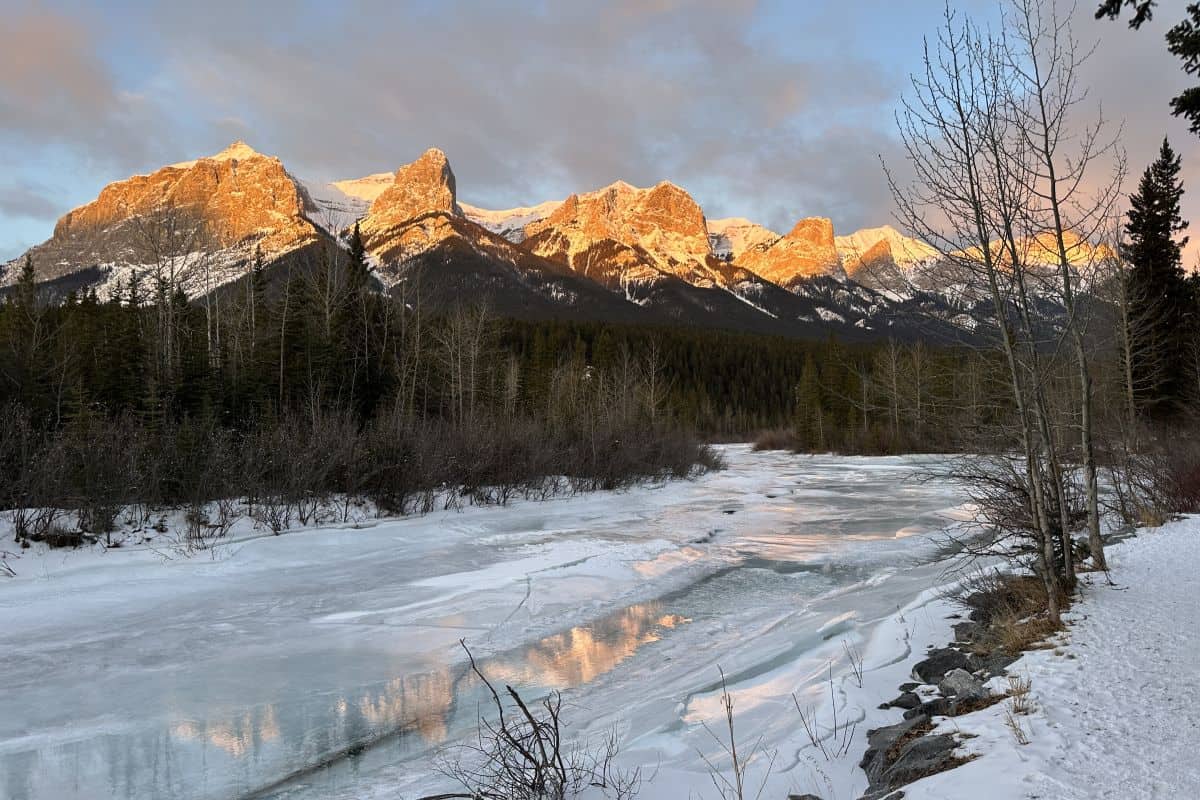
Canmore's winters are real winters. The kind where -30°C is less "arctic horror" and more "Tuesday." Snow tyres are essential, layering is an art, and heated seats are not a luxury - they're a lifestyle.
But here’s the trade: winter also means quiet trails, twinkling streetlights on Main Street, and the cosy joy of watching snow fall while your sourdough bakes. And come summer? You get 30°C days with no humidity, a million wildflowers, and trails that stretch to infinity.
Just remember - mountain weather is unpredictable. Always carry layers. Always.
Healthcare: There’s a Bit of a Queue
One key thing to plan for: healthcare in Canmore is a bit like trying to buy tickets to a sold-out show - possible, but you’ll need patience and perhaps a bit of luck.
Doctors accepting new patients are rare, and walk-in clinic hours are limited. If you have ongoing medical needs, it’s worth exploring options in Calgary or even Cochrane for specialists or additional support.
The town is investing in infrastructure, but it’s still struggling to keep pace with the community’s needs. If you’re accustomed to bustling city healthcare access, prepare to shift your expectations (and possibly bring your stethoscope, just in case).
Groceries, Childcare, and... Oh, Wait, You’re Retired
Groceries in Canmore are pricier than the average Alberta city, thanks to logistics and the "mountain markup." But unless you’re feeding a hockey team, this likely won’t be your biggest expense.
As for childcare? If you’re here to avoid kids, congrats - you picked the right time of life. For those raising grandkids or planning frequent visits from young family members, just know that both childcare and pediatric health services are in short supply.
Plan your family visits like military campaigns, with snacks.
Job Market? Optional (But Good to Know)
If retirement means "absolutely no more work, ever," skip this section and go enjoy a puzzle.
But if you’re part of the "I’ll consult part-time" or "just one shift a week to stay sharp" crowd, Canmore has opportunities - mostly in tourism, hospitality, retail, and wellness. Think: spa receptionist, ski hill greeter, gift shop sage. Wages hover around $17-$22 per hour, so it’s not a goldmine, but it’s a good way to connect.
Just be aware: some retirees have reported being seen as "overqualified," which in Canmore sometimes translates to "we think you might ask for benefits."
Housing Policies: Canmore’s Trying
The Town of Canmore has launched bold (and debated) policies to try to increase housing supply. The new Livability Tax, effective in 2026, imposes an increased tax on properties that remain vacant for most of the year. The goal is to promote full-time occupancy and support the development of affordable housing.
There are also stricter rules for short-term rentals. If you’ve considered offsetting costs with Airbnb, note: the days of easy vacation-rental profits are numbered. That said, you can still rent long-term or use your home full-time, which, again, isn’t even an option in Banff.
Okay, But Why Not Banff?
Banff is breathtaking, no doubt. But it’s also basically a gated community for people who work inside a national park.
Unless you have a job in Banff or ran a business there five years ago, you’re not allowed to live there. Seriously. It’s called the "need to reside" rule, and Parks Canada enforces it. You can’t even legally use a home there as your weekend getaway.
So while Banff is beautiful, it’s a vacation. Canmore is a life.
Final Thoughts: Living in Canmore Is Worth It (If You’re Ready)
Canmore is not cheap, not effortless, and not without quirks. But it’s one of the few places in the Canadian Rockies where you can actually build a life - one filled with beauty, community, and the kind of serenity that only comes when the mountains are your neighbours.
So if you’re dreaming of a retirement filled with trails, art, good coffee, and the occasional elk in your backyard - this is your place.
Just maybe bring snow boots. And a sense of humour.


