
Seven hiking deaths in Banff and Kananaskis this summer
Seven hiking and climbing deaths since June, three Bow Valley drownings and a record rescue year in Kananaskis. A look at what happened and what it means if you're heading out this autumn.
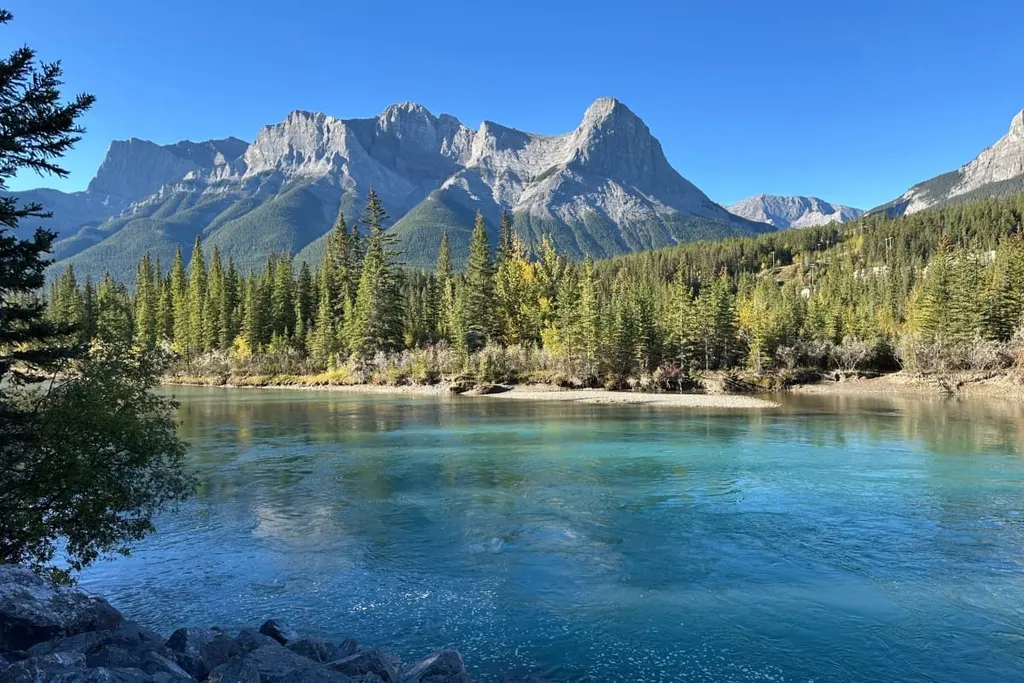
Seven people have died hiking, scrambling or climbing in Banff National Park and Kananaskis Country since the start of June. Three more have drowned in the Bow Valley since May.
That's an unusually heavy run, and the season isn't over - larch weekends are still to come. Below is what's been confirmed about each incident by RCMP, Parks Canada and Alberta Forestry and Parks, followed by what it means in practice if you're heading out.
Our condolences to the families and friends of everyone who died.
The seven mountain deaths
Mount Bryant, June 6. Katie Heaven, 47, of Airdrie, fell while hiking with a group on Mount Bryant in Kananaskis Country. RCMP, paramedics and STARS air ambulance attended at about 10:45 am. A friend told CTV News she was on the east ridge when a rock came away.
Mount Temple, July 25. A 65-year-old Calgary man slipped and fell on the Mount Temple scrambling route near Lake Louise. Parks Canada said his group called for help, and visitor safety specialists slung him out by helicopter to a staging area, where he was pronounced dead.
Marvel Peak, July 28. A woman in her 20s fell near Marvel Peak at the southern tip of Banff National Park, part of a group of four on a multi-day trip that began in BC. Canmore RCMP said the group raised the alarm on an emergency satellite messenger but had no two-way communication, Bow Valley Insider reported. Bad weather kept the Parks Canada helicopter away until the next morning, when she was recovered.
Mount Yamnuska, August 19. Another trail user reported seeing a woman fall on Yamnuska at about 5 pm. RCMP said the death is not suspicious and has not released her age or where she was from.
Tent Ridge, August 23-24. A hiker was reported missing on Tent Ridge in Spray Valley Provincial Park on the evening of August 23 after a hailstorm moved through. Kananaskis Mountain Rescue searched overnight and found her dead the next day. The medical examiner is determining the cause of death.
Recondite Peak, September 9. A 24-year-old Jasper man, a hiking guide who was off duty, set out alone on September 7 for Recondite Peak, a remote summit east of the Icefields Parkway that RCMP say sees about 10 people a year. His family reported him missing on September 9 when his satellite tracker stopped moving. A Parks Canada helicopter crew found him dead the same day, with climbing gear and a helmet.
Devil's Thumb, September 12. A 33-year-old Calgary man was hiking with three friends near the Big Beehive above Lake Louise when he carried on alone towards Devil's Thumb. RCMP said his friends lost sight of him and expected to meet him at the end of the hike. When he didn't turn up, they reported him missing. Parks Canada rescue specialists found him dead.
Three drownings in the Bow Valley
- Johnston Canyon, May 1. A 25-year-old American visitor went past the barriers at the Lower Falls and jumped into the pool. He didn't resurface, and spring runoff made recovery impossible for weeks. His body was found downstream on May 26.
- Quarry Lake, Canmore, August 1. A 33-year-old Rocky View County man went under while swimming without a life jacket and did not resurface.
- Johnson Lake, Banff, August 16. A 29-year-old Banff resident drowned on the Sunday evening.
None of these spots has a lifeguard. RCMP noted the Quarry Lake swimmer wasn't wearing a life jacket, and the Johnston Canyon visitor went in during spring runoff behind a barrier put there for that reason. If you're swimming in a mountain lake, wear a life jacket or stay where you can stand.
The numbers behind it
Kananaskis Mountain Rescue responded to a record 445 calls in 2025, up from the previous high of 436 in 2021. The Calgary Herald puts that against roughly 200 rescues in 2009, and reports that 12 people had died of various causes in Kananaskis Country this year as of September 16, against 17 in all of 2025.
Visitation has moved the same way. Kananaskis took about five million visits in 2025. Banff National Park had a record 4.5 million, according to Parks Canada's 2025 annual report.
More people doesn't explain any single death. Most of this summer's fatalities involved experienced people on serious terrain. But more people on the same trails does mean more calls on the same small rescue teams, and more incidents on routes that look easier than they are.
What this means if you're heading out
Popular doesn't mean easy. Yamnuska averages about 43,000 hikers a year, according to trail counts CBC obtained through an access-to-information request. The route was realigned in 2020-21 because of how many rescues it generated. Tent Ridge went from about 8,500 hikers in 2019 to more than 20,000 in 2025, per the same data. Both are scrambles with real exposure, not walks.
Stick with your group. The Devil's Thumb death followed a hiker carrying on alone while his friends assumed he'd simply got ahead. If someone in your group wants to push on to a harder objective, agree a turnaround time and a meeting point before you split, or don't split.
Carry a satellite messenger, and know its limits. Cell coverage is unreliable across Banff National Park, and Parks Canada tells hikers to carry a satellite emergency device. At Marvel Peak, it raised the alarm, but the helicopter still couldn't get in until morning. Plan as if help will take hours, not minutes.
Be ready to spend a night out. Parks Canada's own hiking advice is to be prepared to survive overnight: extra warm clothing, food, water, a first-aid kit, a headlamp and bear spray, even on a day hike. September weather turns fast at elevation, and the Tent Ridge death followed a hailstorm.
Tell someone your plan. Route, expected return time, and who to call if you're not back.
Check the trail report before you go. Parks Canada's Banff trail conditions and Alberta Parks' Kananaskis trail reports both list current closures and warnings, including bear closures.
Stay behind the barriers at canyons and waterfalls. They're there because of what's under the water.
If something goes wrong
- Banff, Yoho and Kootenay: call 911 from a cellphone and tell the operator which national park you're in. From a satellite phone, call Parks Canada emergency dispatch on 403-762-4506.
- Kananaskis Country: call 911 and say you're in Kananaskis Country so you're transferred to Kananaskis Emergency Services. From a satellite phone, call 403-591-7767 (Alberta Parks).
If you're weighing up whether it's serious enough to call, call. A rescue can take hours to reach you.


