
Accessible Banff: How to Explore the Rockies with a Disability
An accessible parking placard changes what's possible here: direct vehicle access to Moraine Lake, designated parking at Lake Louise, no queue at Peyto. Without one, it's shuttles and reservations. Trail surfaces, Roam routes, washrooms and where the gaps are.

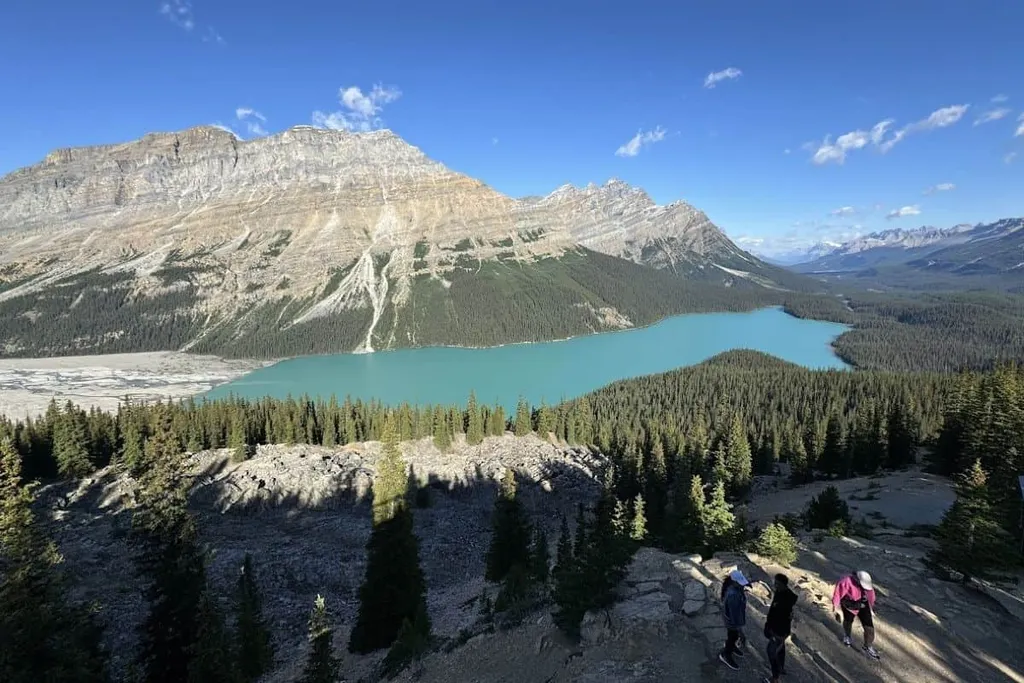
Let’s be honest - Banff is one of the most jaw-droppingly gorgeous places on earth. But if you're rolling through the Rockies in a wheelchair, navigating with low vision, or managing sensory or cognitive disabilities, that jaw-dropping beauty can come with a side of logistical headaches.
Fear not! Banff National Park is making strides - some of them paved - for accessible travel, and we’ve done the research so you don’t have to.
Whether you’re dreaming of turquoise lakes, epic views, or a lakeside ice cream, here’s your essential, practical, and slightly lighthearted guide to Banff accessibility.
Accessible Travel in Banff: The Big Picture
Parks Canada's Accessibility Action Plan: The Good, the Bad, and the Progress Reports
Parks Canada is working hard to improve access under its Accessibility Action Plan (2022-2025), guided by the excellent motto: "Nothing Without Us." Translation? They’re actually talking to people with disabilities. Revolutionary!
They’ve tackled everything from building designs to digital apps. But - and there’s always a "but" - they’ve also admitted that accessibility across Banff is more patchwork quilt than seamless tapestry. So, plan like a chess master and keep your expectations realistic.
Your Superpower: The Accessible Parking Placard
Don’t have an accessible parking placard? You’ll be dancing the shuttle reservation waltz.
Have one? Congratulations - you’ve just unlocked Banff on "easy mode." You get direct access to Moraine Lake (normally vehicle-restricted), primo parking at Lake Louise and skipping the lines at Peyto Lake.
It’s the kind of VIP treatment usually reserved for celebrities... or grizzly bears.
Transit, Tech, and Toilets (Yes, Really)
Roam Public Transit is your reliable ride - wheelchair accessible, route-rich, and no car keys required. For more adrenaline-fueled adventures, check out Rocky Mountain Adaptive. From skiing to biking, they’ve got gear and guides for all ability levels.
Washrooms? Accessible ones are plentiful around town, at day-use areas, and trails like Lake Minnewanka. Scooters are rentable in Banff too, because even wheelchairs deserve a summer vacation.
Lake Louise: The Accessibility Gold Standard
Getting There
Drive if you’ve got a placard - designated parking near the lake makes life sweet. No placard? Hop on Roam Transit’s fully accessible Routes 8X or 8S and enjoy the scenic ride. Skip the Parks Canada shuttle unless you enjoy playing "Will This Bus Fit My Chair?" (Spoiler: Probably not.)
On-Site Awesomeness
The Lake Louise Lakeshore Trail is wide, flat, and mostly paved, with a side of crushed gravel. That gravel might make you work a bit harder if you’re in a manual wheelchair, but the view? Worth every push.
Amenities and Perks
There are accessible washrooms near the trailhead and even luxury at the Fairmont Chateau Lake Louise, which offers rooms with roll-in showers and wide doorways. And yes, the summer gondola is accessible - just fold your wheelchair like origami, and you’re good to go.
For Visitors with Vision or Hearing Disabilities
The trail is clearly defined and navigable for low-vision travellers. Service animals? Welcome. The Parks Canada app includes audio descriptions, and hotels offer visual alert systems. Basically, you won’t miss a thing (unless you want to).
Moraine Lake: A Tale of Two Travellers
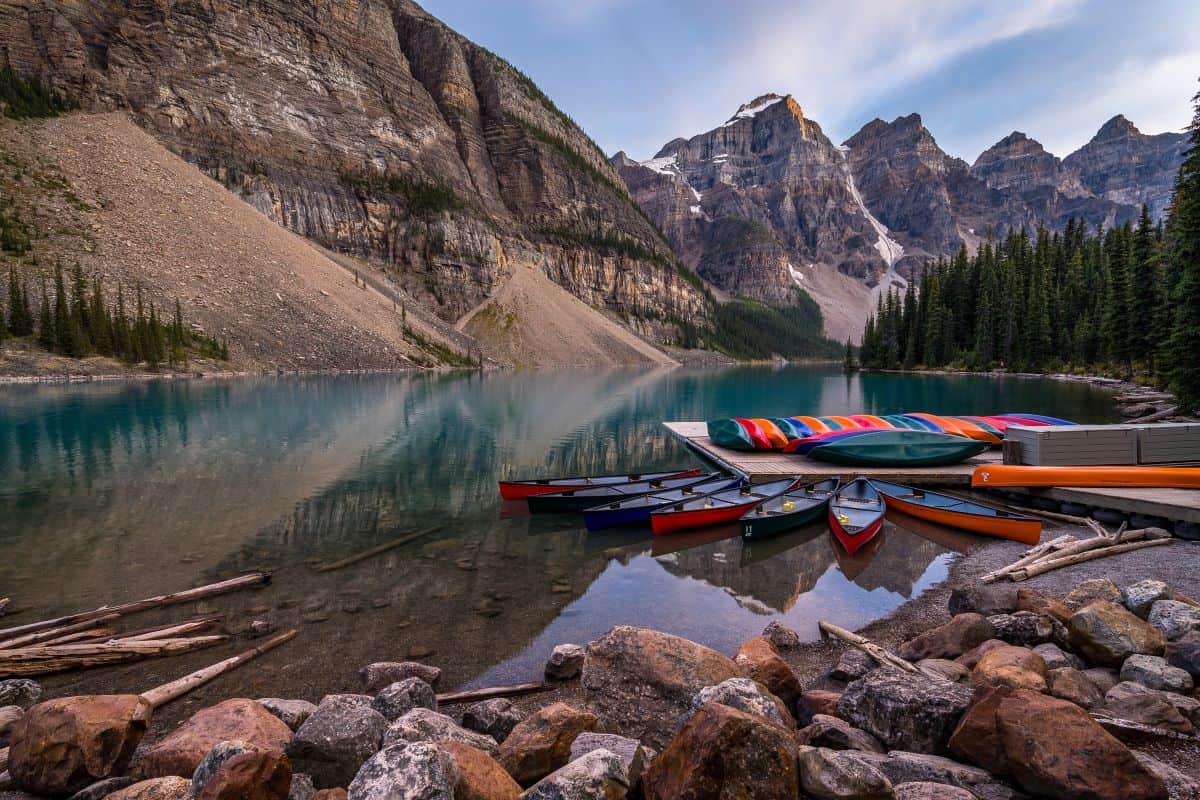
Placard Holders: VIP Access
Got a placard? You can skip the shuttle drama and drive straight to Moraine Lake. Smooth sailing. Great parking. Pure serenity. Honestly, this should come with a trophy.
Everyone Else: Book Early or Cry Later
Without a placard, you’ll need to play transit Tetris. Reserve a Parks Canada shuttle (good luck with that in July), or use Roam + the Lake Connector shuttle. Either way, it’s a bit of a logistical workout.
Trails and Traps
The Shoreline Trail is flat and scenic, but with crushed gravel - not perfect for all wheelchairs. The famous Rockpile Trail (aka the Instagram hot spot) is 121 uneven steps of "nope" for most mobility devices. It's not accessible, and that’s a hard truth.
Keep in Mind
Pit toilets only, no running water, and zero cell service. Bring water, snacks, and a healthy respect for wilderness.
Lake Minnewanka: Big, Beautiful, and Boat-Ready
Getting There
Lake Minnewanka is easy by car or Roam Route 6 - both are accessible. Parking’s plentiful, and the vibe is more laid-back than the zoo that is Lake Louise in summer.
Picnic, Paddle, or Cruise
There’s a gentle shoreline path for a relaxing roll or stroll. Or take a cruise - yes, the Lake Minnewanka Boat Tour has wheelchair-friendly boats. Just be sure to book online and then call them to confirm an accessible boat. Yes, it’s annoying. No, you shouldn’t skip this step.
Eat, Drink, and Rest Easy
Accessible washrooms, a snack shack, and smooth terrain make this a solid half-day escape. It’s ideal for a relaxed outing with spectacular mountain views and a side of chips.
Sensory Accessibility
There’s talk of Braille signage and hearing kits, but confirm directly. The boat tour narration via PA system might work well for those with partial hearing loss, but don’t bet your entire trip on it.
Peyto Lake: Peak Accessibility Done Right
How to Get There
If you have a placard, you win again. Drive to Peyto Lake's upper parking lot, roll down a paved path, and boom - you’re at the viewing platform. Everyone else? Prepare for a 700-metre uphill march. Good cardio, but not exactly wheelchair-friendly.
The View Is Everything
The viewing platform is wide, safe, and unobstructed. You’ll see that iconic wolf-head-shaped lake in all its glory without bumping elbows with strangers or dodging selfie sticks.
Plan Ahead
There’s no public transit here and no cell signal. Download your info, pack your snacks, and thank Parks Canada for getting this one so right.
Johnston Canyon: The Good, the Bad, and the Narrow Catwalk
Getting There
Roam Route 9 drops you right at Johnston Canyon's trailhead. If you're driving, parking can be tight. Check seasonal road restrictions on Highway 1A - it’s sometimes closed to cars to protect wildlife.
Trail Reality Check
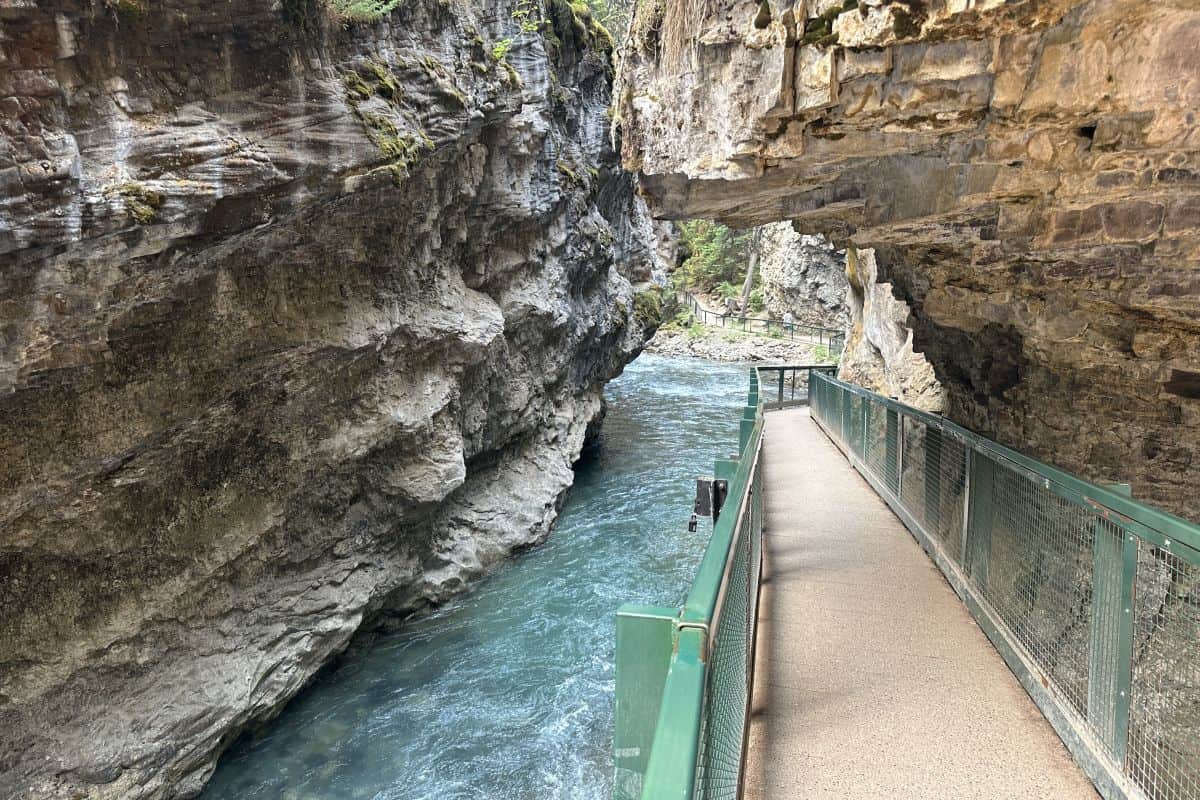
The Lower Falls trail is technically accessible... with caveats. Narrow metal catwalks will just barely fit a standard manual wheelchair.
Power chairs or scooters? Probably not. And in peak summer, the crowds are brutal. Our advice? Go before 8 a.m. or after 7 p.m. unless you enjoy bumper-to-bumper foot traffic with a side of claustrophobia.
Upper Falls? Don’t even think about it.
Facilities
You’ve got washrooms and a café at the trailhead, so start and end your adventure with a little comfort.
Smart Strategies for a Barrier-Free Banff
- Bring That Placard
It’s your golden ticket to parking glory and shuttle-free access. - Roam Like a Local
Roam Transit is your reliable, accessible, and car-free way to explore. - Call Ahead - Always
Don't rely on websites. Call to confirm accessible rooms, boats, and activities. - Beat the Crowds
For spots like Johnston Canyon, early mornings or late evenings are your best friend. - Double-Check Everything
Cross-reference info from Parks Canada, TBG, and public forums. Accessibility varies - even within the same site.
Final Thoughts: You Can Banff
Banff is beautiful, but it’s also getting better at being inclusive. Yes, you’ll need to plan. Yes, some trails may test your patience. But with the right prep, gear, and attitude, the park’s legendary landscapes are within reach.
So grab your wheels, your pals, your snacks, and your placard (if you’ve got one), and get out there. The Rockies are calling - and they don’t care if you hike, roll, stroll, or cruise.


