
Lynx at Lake Louise: What to Know About One of Banff's Most Elusive Residents
Oversized paws that work like snowshoes, muted colouring, and a habit of moving at dawn and dusk. Lynx live in the forests around Lake Louise, and almost nobody sees them. Why the sightings are rare, why a kitten alongside an adult matters, and what to do if you get lucky.

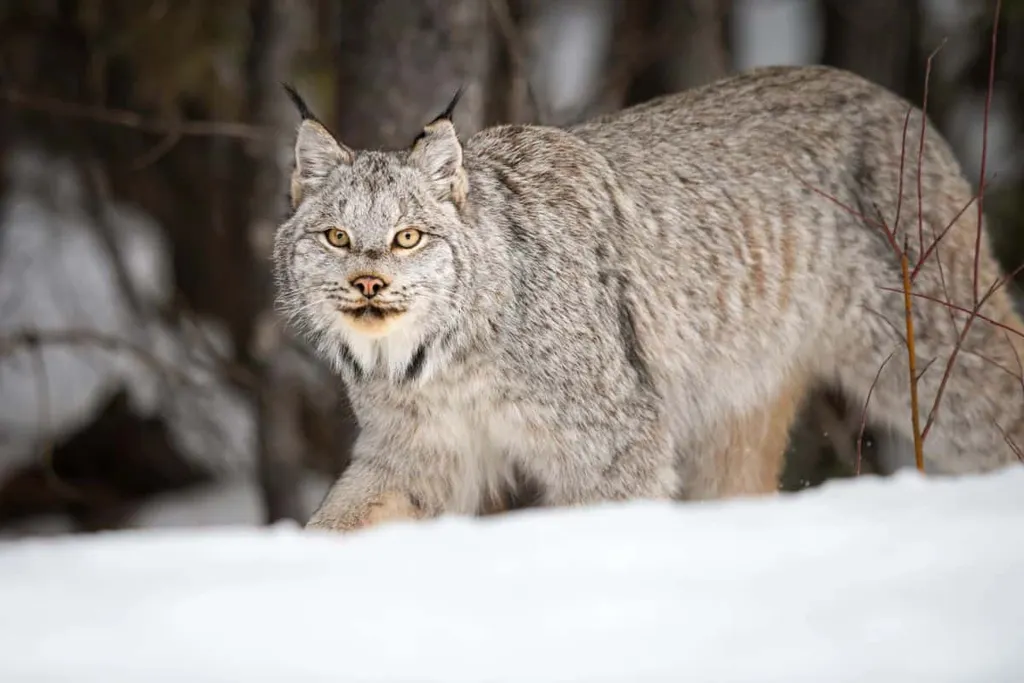
Lynx at Lake Louise are rarely seen, even though the area sits within suitable habitat in Banff National Park.
The Canada lynx is a quiet, solitary wild cat that moves through subalpine forests largely unnoticed, often during early mornings or evenings when the landscape is calmer. When a lynx - especially one with a kitten - appears near Lake Louise, it offers a brief glimpse into an ecosystem that usually stays out of sight.
Understanding why lynx live here, how they survive in the mountain environment, and why sightings are so uncommon helps put moments like the video below into context. What you're seeing isn't unusual behaviour - it's simply behaviour that rarely overlaps with human schedules.
Lynx aren’t dramatic animals. They don’t pose, perform, or hang around once spotted. Most sightings are brief and over before everyone agrees on what they’re looking at. That’s part of the appeal.
The Return Of The Lynx - March 13th 2026
Why Lynx Are Rarely Seen in Banff National Park
Lynx at Lake Louise are part of a small, elusive population that lives throughout forested areas of Banff National Park, though most visitors never see them.
The Canada lynx (Lynx canadensis) is built for disappearing. Oversized paws act like natural snowshoes, allowing it to move easily across deep snow. A thick winter coat, long legs, and muted colouring make it perfectly adapted to cold, forested terrain and very good at blending in.
Lynx are solitary animals and mostly active at dawn, dusk, or overnight. Even when they live close to trails, roads, or villages, they tend to move during quiet windows. Most people who spend time in Banff National Park walk past lynx habitat regularly without ever realising it.
In short, they’re there; they don’t advertise.
Why a Lynx and Kitten Sighting Is Significant
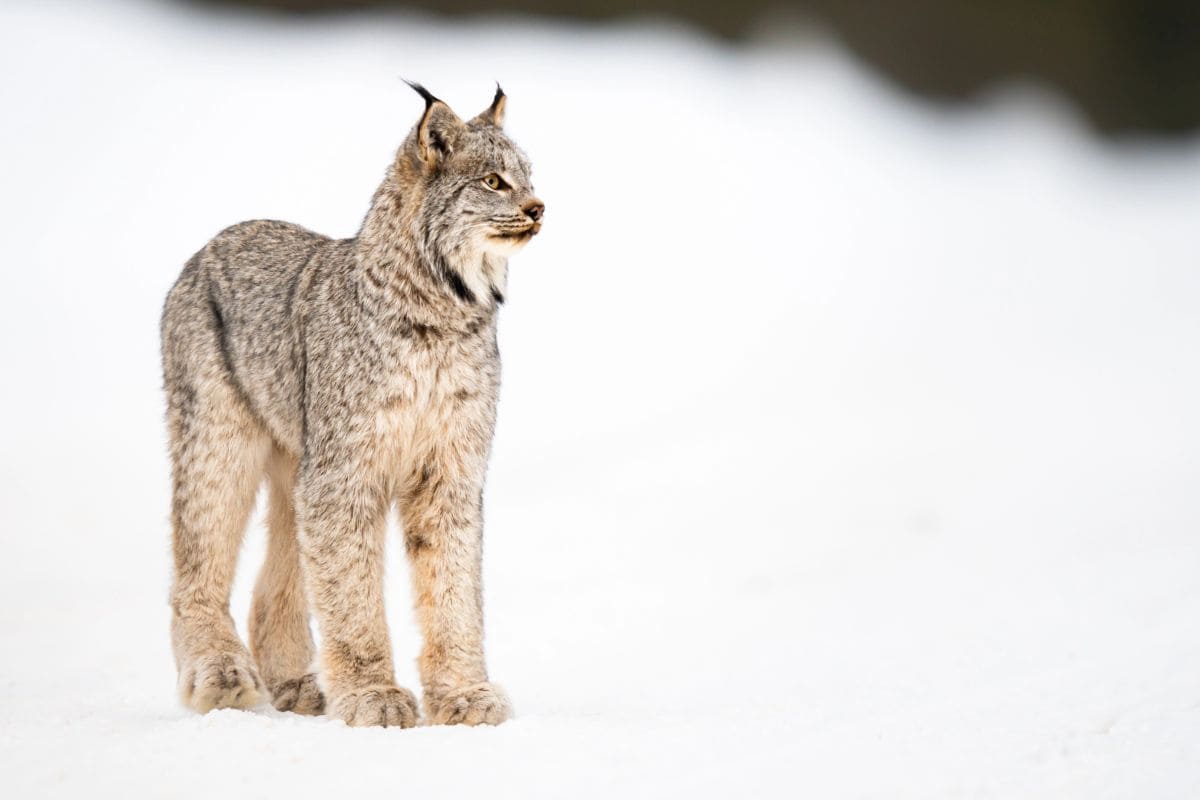
Lynx populations in Banff National Park are closely linked to snowshoe hares, which make up most of their diet. Hare numbers rise and fall in natural cycles that can last close to a decade. When hare populations are strong, lynx are more likely to thrive, reproduce, and occasionally be seen.
Seeing a kitten alongside an adult lynx suggests that conditions are right: enough prey, enough cover, and enough space to raise young. Lynx typically give birth in late spring, and kittens stay with their mother through their first winter while learning how to hunt and survive in mountain terrain.
It’s not something that happens every year, and it’s not something many people ever see.
Lynx Habitat Around Lake Louise

Lake Louise may feel busy, but it sits within excellent lynx habitat. Surrounding subalpine forests, avalanche paths, and quieter corridors away from the lakeshore provide the kind of terrain lynx prefer.
Wildlife often passes through well-known areas during early mornings, evenings, or shoulder seasons, when human activity drops just enough to create a gap.
That contrast is part of what makes sightings here feel surprising. One moment, it’s tour buses and camera tripods. The next, it’s a wildcat doing what it’s always done, utterly uninterested in the backdrop.
What To Do If You See a Lynx
For anyone lucky enough to encounter a lynx, the advice is simple: give it space and let it move on. Lynx are shy, not aggressive, and they rely on calm, uninterrupted movement to hunt and protect their young.
Stopping at a distance and observing quietly is fine. Following, crowding, or trying to improve your angle is not. This is especially important when a kitten is present, as disturbance can separate young animals from their mother or interrupt essential behaviour.
FAQs: Lynx at Lake Louise
Are lynx common at Lake Louise?
No. Lynx live in the region, but sightings are rare due to their solitary behaviour and low population density.
Are lynx dangerous to people?
No. Lynx avoid humans, and there are no recorded attacks on people in Banff National Park.
Why are lynx so hard to spot?
They move quietly, prefer low-light hours, and blend extremely well into forested environments.
What does seeing a lynx kitten mean?
It suggests healthy habitat conditions, including adequate prey and suitable cover for breeding.
What should I do if I see a lynx?
Keep your distance, stay calm, and allow the animal to continue on its way.


