
The Canmore Big Head: A Giant Piece of Quirky History
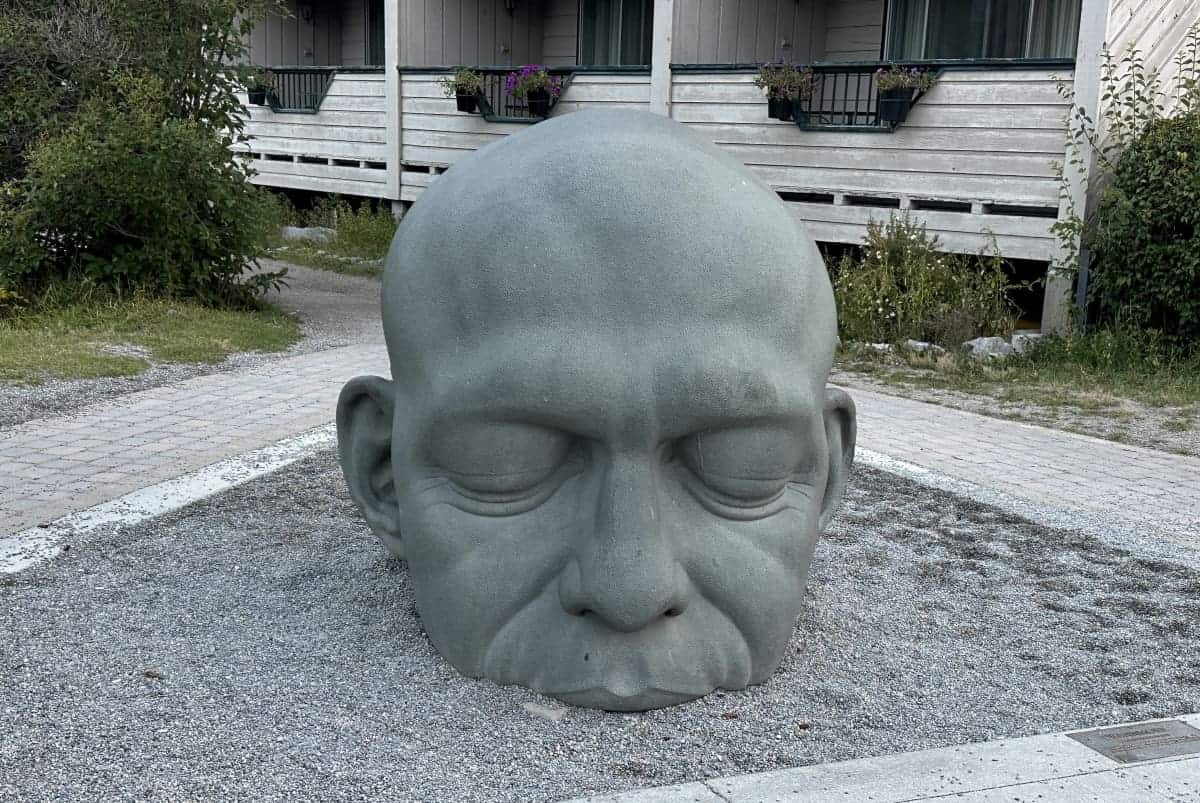
A nine-tonne blue granite head half-buried at the end of Main Street, unveiled in 2008 by Edmonton artist Alan Henderson. Canmore is named for Malcolm III of Scotland, whose nickname Ceann Mor means "great head", so Henderson took it literally. Locals dress it up for holidays.


A Sculpture That's Hard to Miss (Literally)
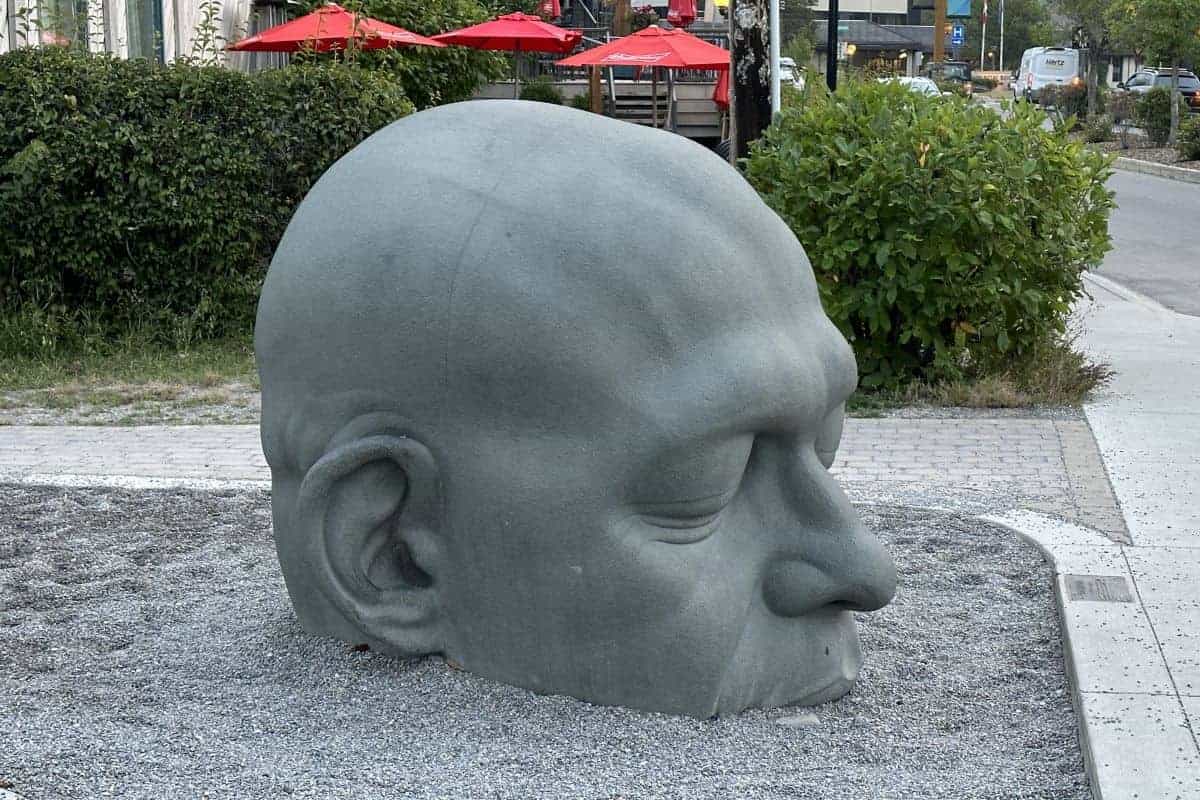
If you've wandered around downtown Canmore and suddenly found yourself face-to-face with a massive granite noggin peeking out of the ground, congratulations, you've met the Canmore Big Head. This nine-tonne sculpture, situated near the Policeman's Creek Boardwalk, has been stopping visitors in their tracks since 2008, partly because it's fascinating, and partly because, well, it's a giant head sticking out of the earth.
Created by Edmonton artist Alan Henderson, the Big Head is carved from blue granite and appears to be in a state of deep contemplation. Its closed eyes make it seem like it's meditating on the meaning of life-or maybe just on whether to grab a pint at the Drake Pub nearby.
What's in a Name? A Whole Lot of Head
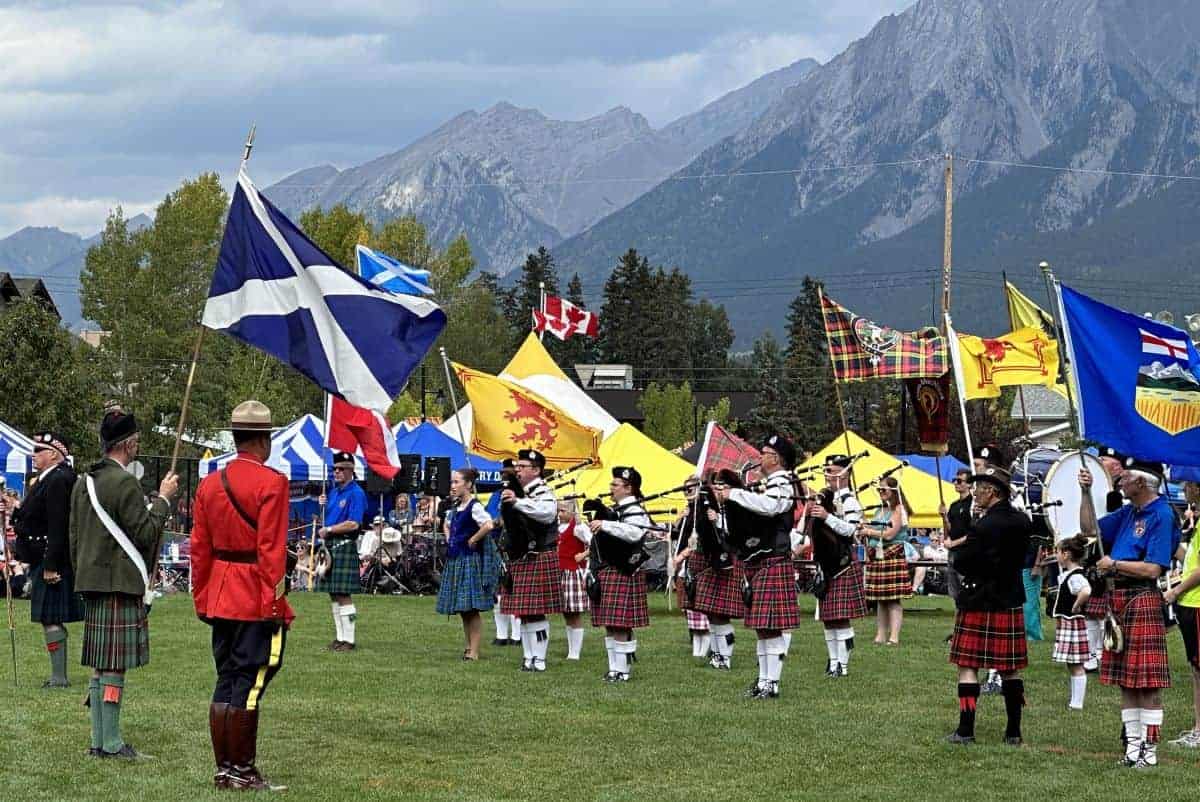
The story behind the Big Head is rooted in Canmore's very name. Back in 1884, Canadian Pacific Railway Superintendent Donald A. Smith christened the town in honour of King Malcolm III of Scotland. His nickname? Ceann Mor, which translates from Gaelic as "great head" or "chief." Depending on which historian you ask, it might also mean "elevated stature," which sounds like a polite way of saying "he was tall."
Rather than a statue of the king himself, Henderson took the literal route: if the town's name means "big head," then why not carve one? The result is a piece of public art that bridges Scottish history with Rocky Mountain quirkiness.
A Landmark with Personality
Unlike some stiff monuments you'll find gathering dust in city squares, the Canmore Big Head has become an active part of community life. Locals have a tradition of dressing it up to mark holidays, events, and whatever else seems worth celebrating.
One day you might see the head in a Santa hat, the next in a graduation cap. During the pandemic, it even sported a white surgical mask-a timely reminder that Canmore's sense of humour never goes into lockdown.
These little seasonal flourishes have turned the sculpture into a living landmark. Instead of being just another thing to photograph, it's something that makes you feel part of the town's story.
Not Just a Pretty Face: Location Matters
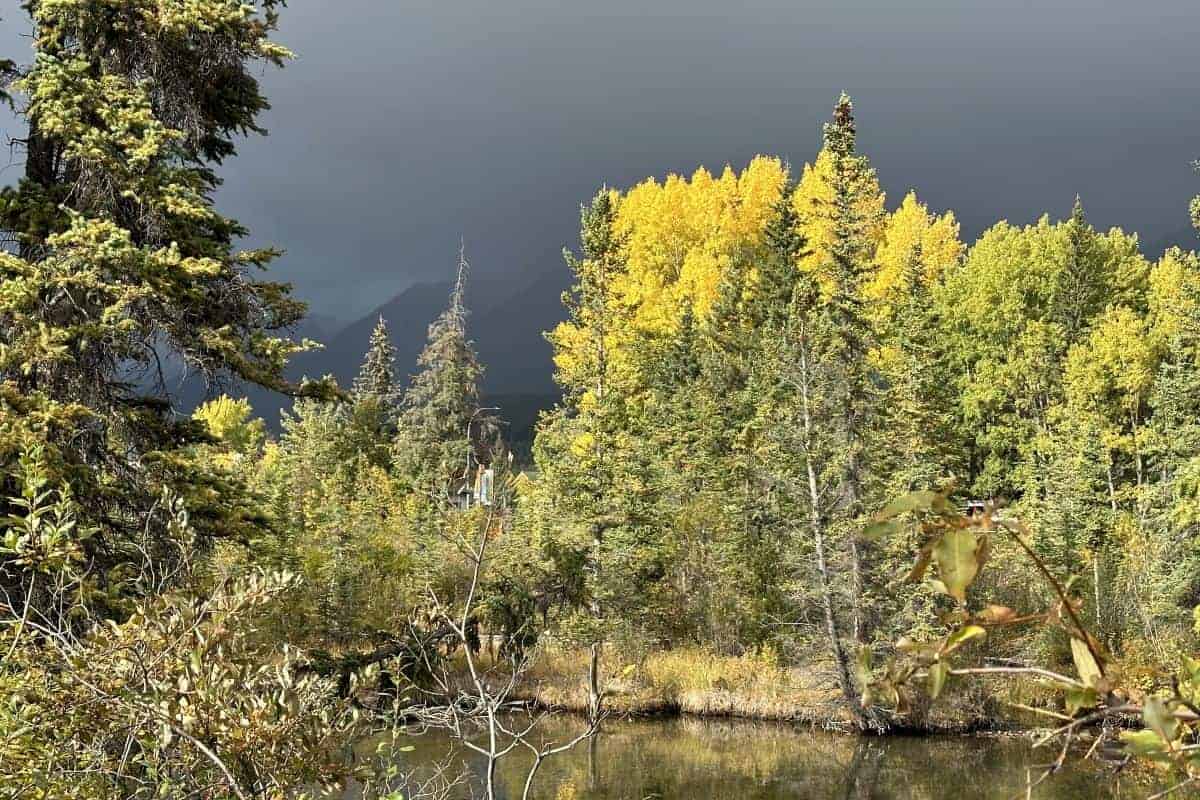
The Big Head isn't tucked away in some obscure corner-it's right at the end of Main Street on 8th Street, half-buried in a gravel bed near the Bow River. Its location is no accident. It marks the start of the popular Policeman's Creek Boardwalk, a four-kilometre loop through wetlands and along the creek, with views of the Rundle Mountain Range.
So if you were planning a gentle stroll, spotting ducks, or maybe saying hello to a curious elk, the Big Head is your perfect starting point. Plus, it's only a 20-minute drive from Banff, making it an easy stop on any Rocky Mountain road trip.
Parking, Logistics, and the Practical Stuff
Of course, even whimsical landmarks need practical details. Town of Canmore website. There are also designated "blue areas" with free nine-hour parking if you know where to look, worth keeping in mind if you're planning a longer wander.
Accessibility is another plus. The Big Head is right in the heart of town, and the boardwalk it leads to is suitable for all ages and abilities. Whether you're pushing a stroller, walking a dog, or corralling teenagers, everyone can manage this outing without complaints (well, fewer complaints).
Clearing Up the Myths
Like any good landmark, the Big Head has collected a few myths along the way. Let's set the record straight:
- It's not an ancient artefact- it was unveiled in 2008.
- It's not meant to be a bust of a king-just a creative nod to the name "Canmore."
- No one can quite agree on its exact weight. Some say seven and a half tons, others nine tonnes. Either way, don't try to lift it.
- The dressing-up tradition isn't official-it's the handiwork of playful locals.
A Royal Debate with a Medical Twist
If you enjoy a good historical mystery, the Big Head has one baked into its granite folds. While most agree that Canmore was named for King Malcolm III, some historians argue the nickname "Ceann Mor" may have actually belonged to his great-grandson, Malcolm IV. Why the mix-up? Apparently, Malcolm IV suffered from severe head and foot pains, possibly linked to Paget's disease, a condition that affects the skull. If true, the name "big head" might have been more medical than majestic.
Either way, the sculpture doesn't just honour history; it invites you to scratch your head, pun intended, about the quirks of the past.
More Than a Sculpture, It's a Statement
The Canmore Big Head is part of a larger public art program launched by the town in 2003. Its goal? To make downtown not just a place to shop or dine, but a space where art, culture, and community meet. With its central spot, playful traditions, and photogenic charm, the Big Head does just that.
And while it might not be as flashy as a ski hill or as adventurous as a mountain climb, it represents something deeper: Canmore's ability to mix history, humour, and a sense of belonging into one big, stony grin.
FAQ:s About the Canmore Big Head
Where is the Canmore Big Head located?
You'll find it at the end of Main Street on 8th Street, right by the Bow River in downtown Canmore.
How much does the Big Head weigh?
Sources disagree, but most estimate nine tonnes (nearly 10 tons). Some say seven and a half. Either way, it's heavy.
Can you touch or climb on the Big Head?
You can definitely get close for photos, but climbing on it isn't recommended. The locals won't be impressed, and neither will your shins.
Why does the Big Head wear costumes?
It's a local tradition! Residents dress it up for holidays, graduations, and other events. It's quirky, unofficial, and totally Canmore.
Is it worth a stop if I'm driving from Banff?
Absolutely. It's only 20 minutes away and pairs perfectly with a stroll along Policeman's Creek Boardwalk or a visit to nearby attractions like the Canmore Museum.


