
Bankhead Ghost Town Trail, Banff: A Walk Through Mining History
Walk the remains of Bankhead, a former coal town near Lake Minnewanka. Explore the 1 km interpretive loop, original machinery and access considerations.

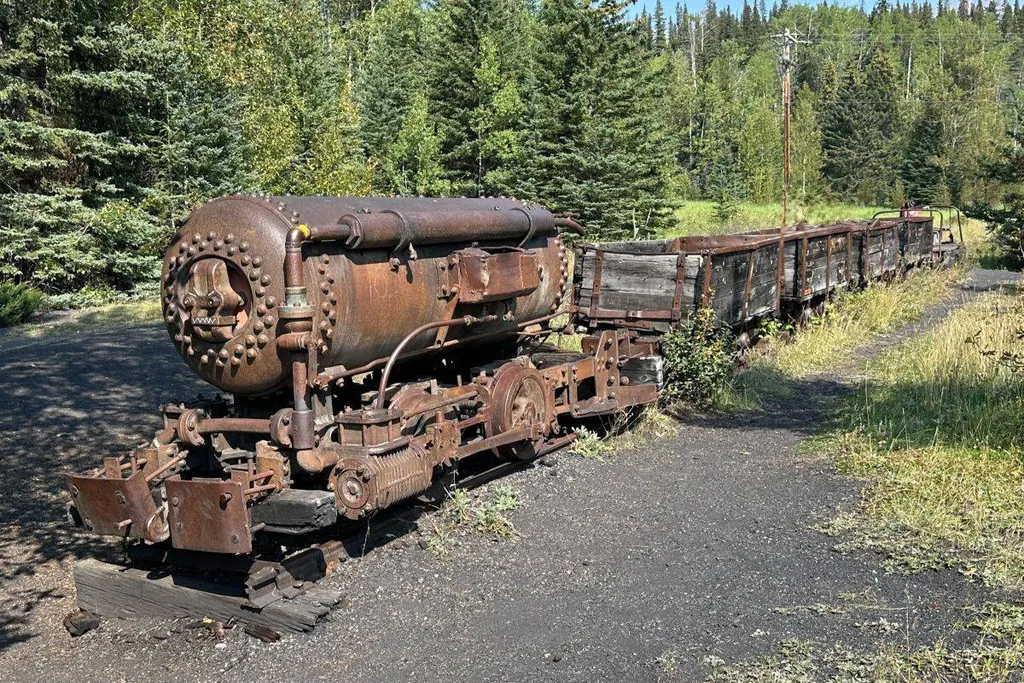
Bankhead is Banff's ghost town, although you won't find a row of abandoned saloons or tumbleweed rolling down a main street. A short loop near Lake Minnewanka takes you through what is left of a working coal town: foundations, heavy machinery, a lamphouse and signs that bring the place back to life. It's a good change of pace from mountain viewpoints, and children who like old trains and big metal things have plenty to inspect.
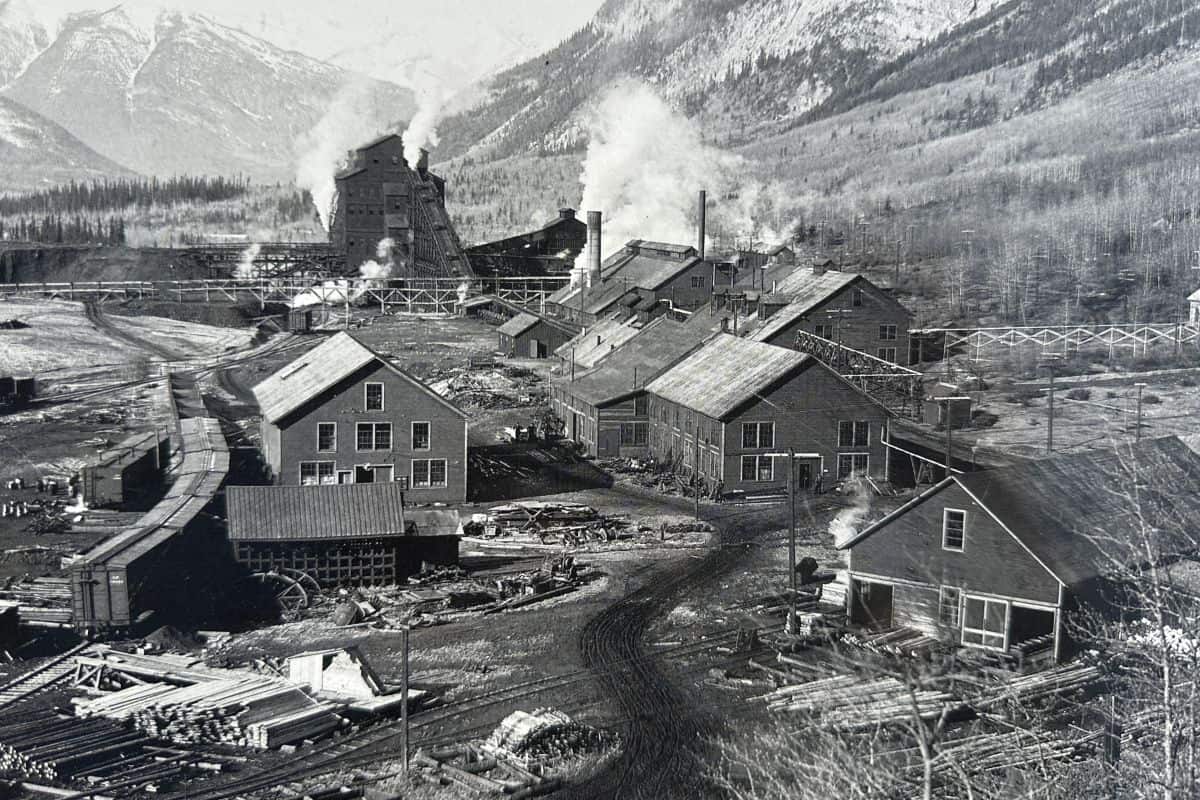
For a few decades, Bankhead was a busy community beneath Cascade Mountain, not a spooky ruin. Hundreds of people lived and worked here, and the coal mine supplied the railway. The mine closed in 1922, the town was dismantled and many buildings were moved elsewhere. That makes the surviving pieces all the more interesting: the ordinary streets have vanished, but the machinery hasn't quite followed.
Quick facts
| Distance | About 1 km interpretive loop |
|---|---|
| Time | 30-60 minutes including the displays |
| Difficulty | Easy walking, but stairs at the start |
| Route | Lower Bankhead interpretive loop |
| Trailhead | Lower Bankhead car park, Lake Minnewanka Scenic Drive |
| Access | Staircase with roughly 70 steps; not step-free |
| Dogs | On leash |
| Facilities | Parking; limited facilities on the loop |
The Lower Bankhead interpretive loop is signed from its parking area. The displays explain the machinery and buildings along the way, turning a short walk into a picture of the town's working life.
Bankhead Loop trail map
Planning this walk?
View the mapped route and recent reports on AllTrails.
View this trail on AllTrailsWhat happened to Bankhead?
Coal powered much of the region's early development, and Canadian Pacific Railway's operations were central to Bankhead. The company town included homes, services and industrial buildings, along with electricity and piped utilities that were sophisticated for their time. Imagine the noise and activity on a working day here; the quiet forest feels very different now.
When the mine shut in 1922, Bankhead's story didn't simply freeze in place. Buildings were sold and moved to other towns, leaving empty spaces where a community had been. That is why you're exploring a scattered industrial site rather than a preserved historic village. The interpretive signs help fill in the gaps.
Parks Canada describes Bankhead's history along the Lake Minnewanka route and the role of coal mining in the area. The displays on the ground are especially useful because few original buildings survive.
Following the Lower Bankhead loop
The walk begins with a staircase of roughly 70 steps dropping towards the former industrial area. After the steps, the loop is relatively gentle, with some uneven surfaces and plenty of reasons to stop.
The lamphouse is one of those small buildings that tells a bigger story. This was where miners collected and returned their lamps before and after shifts underground. It's easy to focus on the giant machinery, but this simple place brings the daily routines and risks of mine work closer to home.
Further around the loop are railway equipment, heavy metal components, ruins of the powerhouse and interpretive panels. A railcar that once carried coal is easier for children to understand than a long explanation of mining technology. The signs explain how the equipment fitted into the mine's daily work.
The old machinery and ruins are best viewed from the paths. Stonework and metal may be unstable, so the historic remains are not safe to climb.
As you walk, try to picture the machinery running and the railway moving coal out of the valley. Then look around at the trees and quiet ground. It's a sharp contrast, and that's really Bankhead's appeal: a place where the mountains stayed put while an entire community disappeared.
Getting there, parking and seasons
The views of Mount Rundle and the forest around the site are an added bonus, but come for the history first. If your travelling companions aren't normally excited by industrial archaeology, this is a gentle way to introduce the subject.
Lower Bankhead is reached from the Lake Minnewanka Scenic Drive, a short drive from Banff townsite in normal road conditions. The Lower Bankhead signs lead to the interpretive loop. The parking area is modest, so busy summer days may require some patience.
The western section of Lake Minnewanka Loop Road is closed to vehicles in winter, generally from November to May. Check current Parks Canada road conditions before driving to Lower Bankhead.
Use Parks Canada's Banff trail and access updates to check current conditions and access restrictions.
Dry conditions make the short loop straightforward, but wet leaves on old steps are surprisingly slippery. In colder weather, ice and snow can make the staircase the hardest part of the outing. Shoes with good grip help on the descent.
Keep dogs leashed and leave historic materials where they are. Wildlife moves through this area, so give animals space and follow Parks Canada bear-safety advice. Facilities at the trail itself are limited; use Banff or nearby developed stops for a longer break.
A valid Banff National Park entry pass is required when visiting the site, subject to current Parks Canada policies. Check Parks Canada's park pass information for the latest admission requirements.
Make it part of a Lake Minnewanka outing
You can combine Bankhead with a visit to Lake Minnewanka. Our Lake Minnewanka guide covers the shoreline and other things to see along the drive. Allow more time for that stop in summer when the car parks are busy.
Bankhead is at its best when you're willing to pause and imagine a working town in the middle of today's quiet forest. A short loop and a few rusting relics might not sound like much on paper. Once you've connected them to the people who lived here, it's a lot more than a ghost story.
FAQs
How long is the Bankhead Ghost Town Trail?
The Lower Bankhead interpretive loop is about 1 km. Allow 30-60 minutes to read the history signs.
Is Bankhead Ghost Town accessible without stairs?
No. The usual Lower Bankhead approach includes a staircase of roughly 70 steps, so this isn't a step-free outing.
Where do you park for Bankhead?
Use the signed Lower Bankhead car park off Lake Minnewanka Scenic Drive, subject to seasonal road access.
Can I bring a dog?
Dogs are allowed on leash. Keep them off historic remains and away from wildlife.
Can I visit Bankhead in winter?
Road access and trail footing change in winter. Check current Parks Canada notices before travelling; the summer route may not be vehicle-accessible.


