
Don’t Get Fined In Banff: National Park Rules You Need To Know
Nine picnickers fined at Cascade Ponds for walking off and leaving food out. $300 for flying a drone at Crowfoot Glacier. Charges for picking morels near Lake Edith. The rules that catch visitors out, and the enforcement behind them.

If you’re dreaming of sparkling alpine lakes, majestic peaks, and maybe a moose sighting (from a safe distance), Banff National Park is calling your name. But before you load up the rental car and try to toss granola at a grizzly (please don’t), there’s one thing every visitor needs to understand. Banff National Park rules aren’t just bureaucratic red tape. They’re the reason this place is still as jaw-droppingly beautiful as it is.
So whether you’re road-tripping with your dog, heading deep into the backcountry, or just trying to figure out where to fly your drone (hint: nowhere), this guide to the Banff rules and regulations will help you stay safe, respectful, and fine-free.
🦌 For Wildlife and Scenic Lakes: Banff Highlights & Wildlife Small Group Adventure. Search for bears, elk, and coyotes on a small group tour with stops at Lake Minnewanka, Bow Falls, and Mt Norquay. Panoramic windows make it perfect for safe wildlife viewing.
🚴For a Half Day Combo: eBike and Hike Banff to Johnston Canyon
Cycle through Vermilion Lakes and the Bow Valley Parkway, then hike into Johnston Canyon to see the famous Lower Falls Bridge. Two classic activities in one trip.
🥾 For Classic Trails and Mountain Views: Banff National Park Guided Hike with Lunch. Choose from four of Banff’s best hikes, including Larch Valley or the Plain of Six Glaciers. Distances range from 7 to 10 km, with a picnic lunch and guide included.
Why You Need to Know the Rules of Banff National Park
Let’s put it this way. Banff isn’t just any park. It’s Canada’s first national park, a UNESCO World Heritage Site, and home to over 800 plant species, 56 types of mammals, and more than 300 species of birds. It’s also one of the busiest protected places in the country.
With that much ecological gold in one place, Banff safety and conservation take top priority. The Banff rules and regulations are there to protect the wildlife, the landscape, and you. Especially if you're tempted to leave a hot dog on the picnic table "just for a second."
The Big Three: Real Offences That Led to Real Fines
Here are three real-world examples that prove the park isn’t messing around when it comes to enforcing the rules. And why it matters.
Leaving Food Unattended: A “Snack” Can Be a Death Sentence for Wildlife
Let’s start with the most common slip-up.
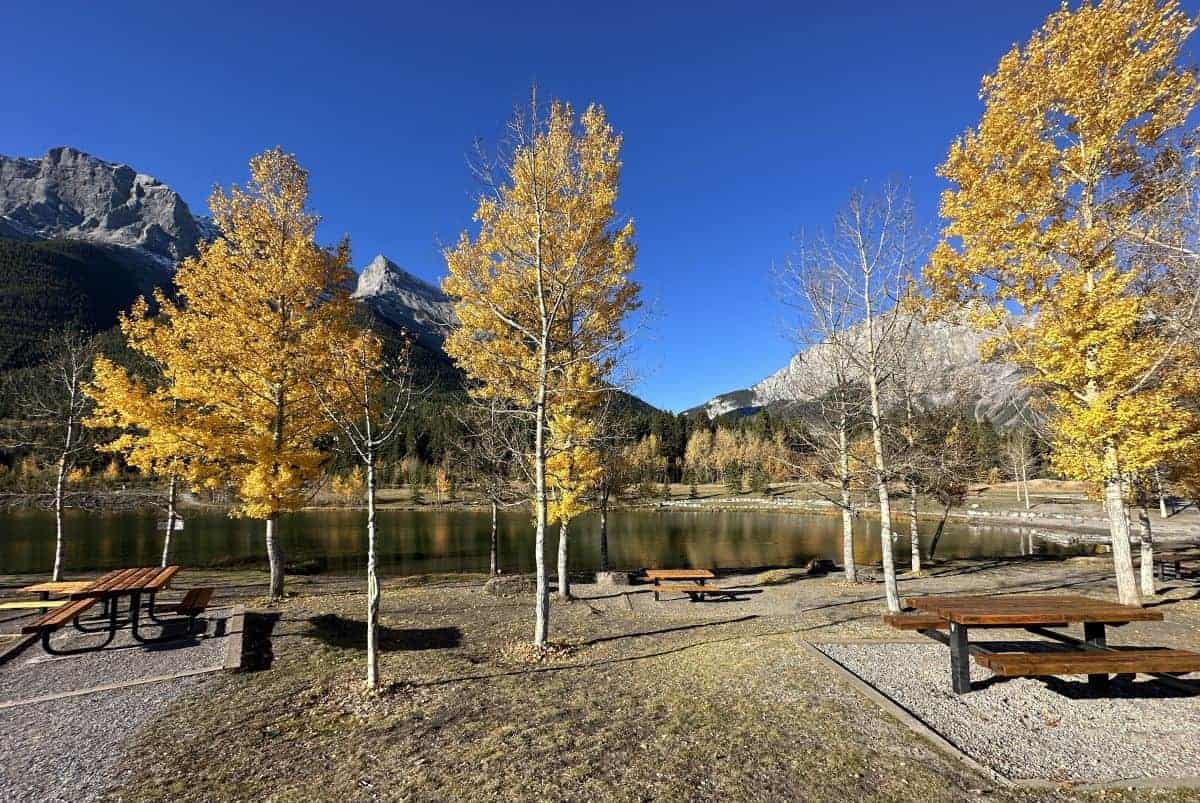
At Cascade Ponds, nine picnickers wandered off for half an hour, leaving behind open alcohol, garbage, and enough leftovers to host a second picnic for the local bear population. Each person was fined 50 dollars, but the real danger wasn’t the fine. It was the ripple effect. As the judge put it:
“… if you leave your food out and go away - even for half an hour - the animals in the Bow Valley are very hungry, and they will be there in five minutes or less.”
– Justice Karl Wilberg
And it’s not just the little critters. At Two Jack Lakeside Campground, campers were charged after a wolf helped itself to garbage they left out. This led to a wildlife warning for the entire area. Note: For a comprehensive guide on staying safe around wolves in Banff, visit our complete guide to wolf safety in the Rockies.
Food left out, even in a bag hanging from a tree, is considered a wildlife attractant. These mistakes can lead to trail closures, evacuations, and, in some cases, animals being euthanised if they become habituated.
Bottom line: Store all food, garbage, and scented items in wildlife-proof bins or your vehicle. Don’t burn food scraps. Never leave your site unattended with food out, not even for a quick walk.
Flying Drones: Still Illegal, Still Fined
We get it. Banff is basically the Instagram capital of Canada. But drones are strictly prohibited in all Parks Canada sites unless you have a special permit. You probably don’t.
In April 2025, an Edmonton man was fined $300 after flying a drone at Crowfoot Glacier. He thought his drone’s software would stop him from flying in restricted areas. It didn’t.
Besides potentially interfering with rescue helicopters, drones disturb wildlife, cause stress, and pose real safety hazards.
Bottom line: Leave it at home. You’ll get incredible photos with your feet firmly on the trail.
Foraging: Not Your Mushroom Patch
After a wildfire, morel mushrooms pop up like little earthy treasures. But two individuals near Lake Edith in Jasper learned the hard way that harvesting them is a serious offence.
They were charged with multiple violations, including the destruction of natural objects. Why so serious? Because those mushrooms aren’t just tasty. They’re a crucial part of post-fire soil recovery and a food source for wildlife.
Bottom line: Look, don’t touch. Whether it’s a wildflower, antler, fossil, or tasty-looking mushroom, take only photos.
Banff National Park Rules Visitors Must Follow
Thinking of sneaking a nap in your van, tossing a chip to a chipmunk, or flying your drone over Lake Louise for the 'Gram? Take a minute to learn the rules. These are the key Banff National Park rules every visitor should know - not to ruin your fun, but to make sure you don’t accidentally annoy a bear, wreck a trail, or earn a surprise souvenir ticket from a park warden. Respect the rules, and Banff will reward you with alpine magic and zero fines. Win-win.
- Park Pass
A valid national park pass is required for anyone stopping in Banff National Park, whether for a picnic, hike, or overnight stay. You do not need a pass if you are simply driving through on the Trans-Canada Highway without stopping, but if you pull over at all, you are legally required to have one. - Camping
Camping is only allowed in official, designated campgrounds. Setting up a tent, sleeping in your vehicle in a parking lot, or using random pullouts is not permitted and can lead to fines or eviction from the park. - Food Storage
All food, garbage, and scented items must be stored in bear-proof bins or locked inside a hard-sided vehicle when not in use. Leaving attractants unattended, even for a few minutes, is an offence and puts both people and wildlife at risk. - Campfires
Fires are only allowed in designated fire pits at approved campsites. You may not build your own fire pits, and you must follow all fire bans when they are in effect. Only park-provided or locally purchased firewood may be used. - Pets
Pets must be kept on a leash and under control at all times. Do not leave pets unattended in vehicles or at campsites, as this creates risks for both animals and other visitors. - Drones
Recreational drone use is strictly prohibited without a special permit. Flying a drone can disturb wildlife, interfere with aircraft, and disrupt the park experience for others. - Wildlife
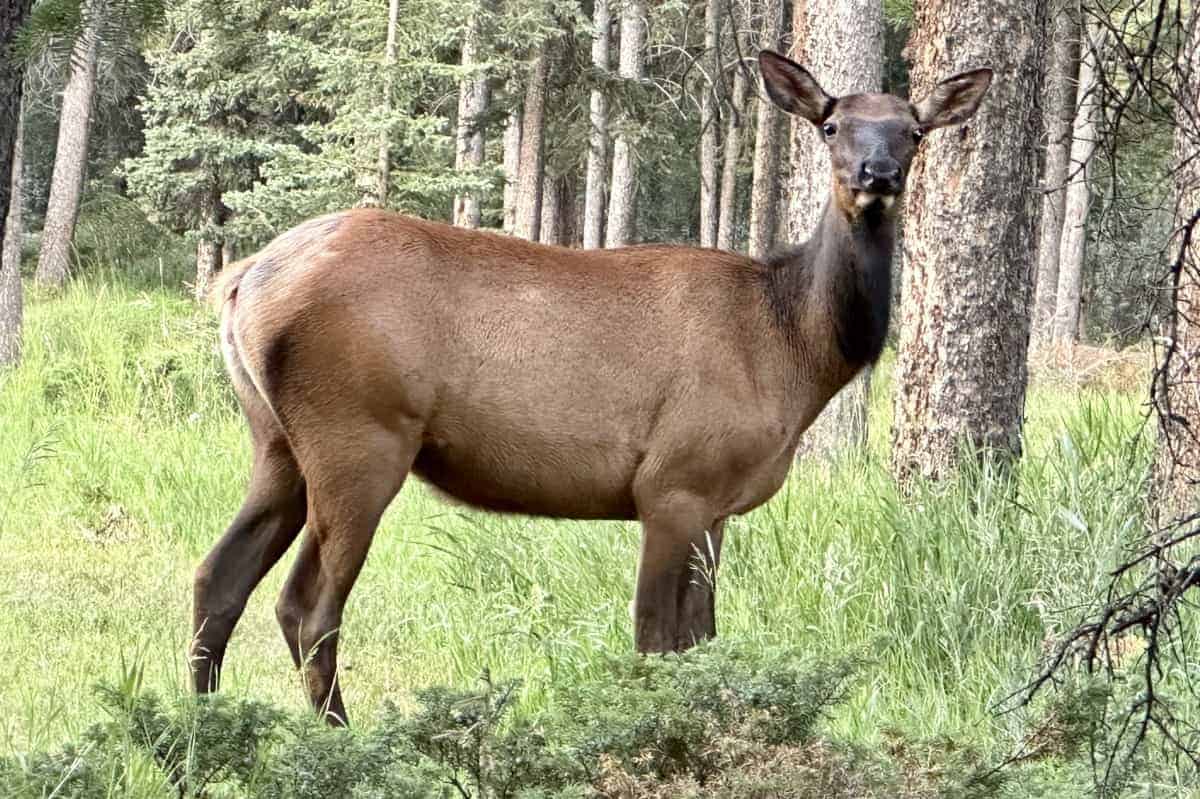
Do not feed, follow, or attempt to approach any wildlife. This includes bears, elk, birds, and even small animals. Feeding wildlife is illegal and can lead to serious consequences for both you and the animal. - Trails and Roads
You must stay on marked trails and official roads at all times. Going off-trail can damage fragile ecosystems and is not allowed in protected areas. - Fishing
A Parks Canada fishing permit is required to fish in Banff National Park. Provincial or out-of-province licenses are not valid. Most fishing is catch-and-release only, and some species are fully protected. - Alcohol and Cannabis
Use of alcohol and cannabis is allowed only at registered campsites unless posted otherwise. These substances are not permitted in day-use areas, on trails, at beaches, or in public shelters. - Littering
Littering is prohibited. All waste must be packed out or placed in wildlife-proof bins. This includes food scraps, wrappers, bottles, and cigarette butts. - E-Bikes
E-bikes may only be used on trails that specifically allow them. Riding off designated routes is not permitted and may result in a fine. - Off-Road Vehicles
Motorised off-road vehicles such as ATVs, snowmobiles, and dirt bikes are not allowed off-road anywhere in Banff National Park. - Natural Objects
Do not remove or disturb natural objects. This includes picking flowers, collecting mushrooms, taking rocks or antlers, or disturbing fossils. Everything must be left as it is. - Boating
All watercraft must be inspected and certified clean, drained, and dry before use. Motorised boats are banned on many lakes in Banff to protect wildlife and reduce invasive species. Check local rules before launching. - Day-Use Areas
Alcohol, cannabis, open fires, and loud music are not permitted in day-use areas. These zones are intended for quiet, safe recreation and family enjoyment. - Closures and Signage
All posted trail closures, warnings, and restrictions must be obeyed. Ignoring signs or entering closed areas is illegal and can put you and others in danger.
Final Thoughts: Don’t Be That Visitor
Nobody wants to be the reason a trail is closed, a wolf is put down, or a viral news story is written. Following the Banff National Park rules isn’t just about avoiding a fine (though yes, fines can reach $25,000) - it’s about being part of the solution.
You don’t have to be perfect. But if you come prepared, pay attention to signage, and act with respect for this land and its wild inhabitants, you’re helping protect Banff for future generations.
And really, isn’t that worth more than a mushroom risotto?


